www.dailywire.com
Panama’s President Rejects Trump’s Call To Take Back Panama Canal
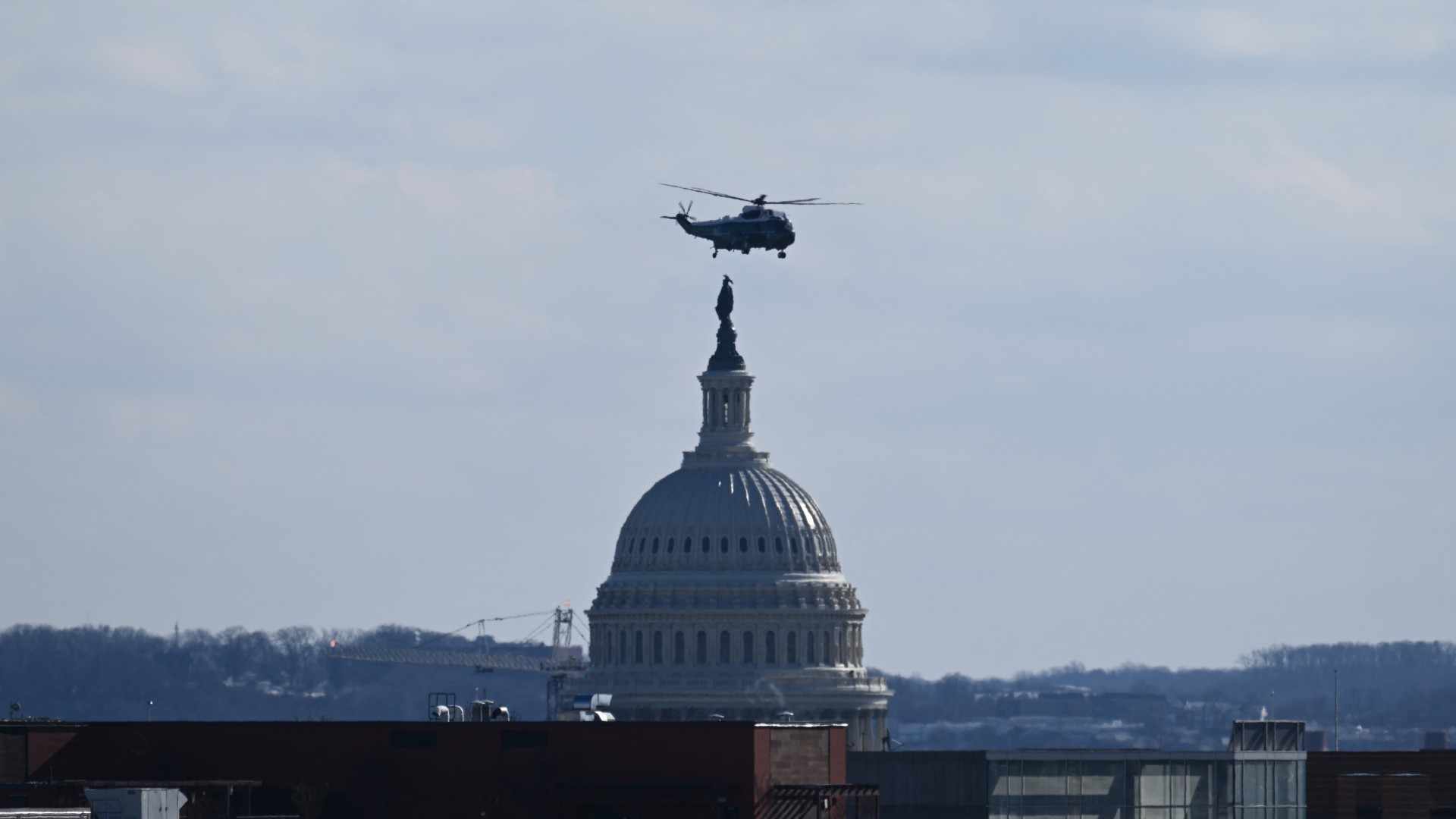
On Monday, roughly one hour after President Trump was inaugurated as President of the United States, Jose Mulino, the president of Panama, released a statement rejecting the suggestion Trump has made regarding the United States reasserting sovereignty over the Panama Canal.
In his inaugural address, President Trump spoke of returning the name of the highest peak in North America, which had been renamed Mount Denali in 2016, back to Mount McKinley. It had been named in honor of William McKinley, America’s 25th president.
“We will restore the name of a great president, William McKinley, to Mount McKinley, where it should be and where it belongs,” Trump stated. “President McKinley made our country very rich, through tariffs and through talent.”
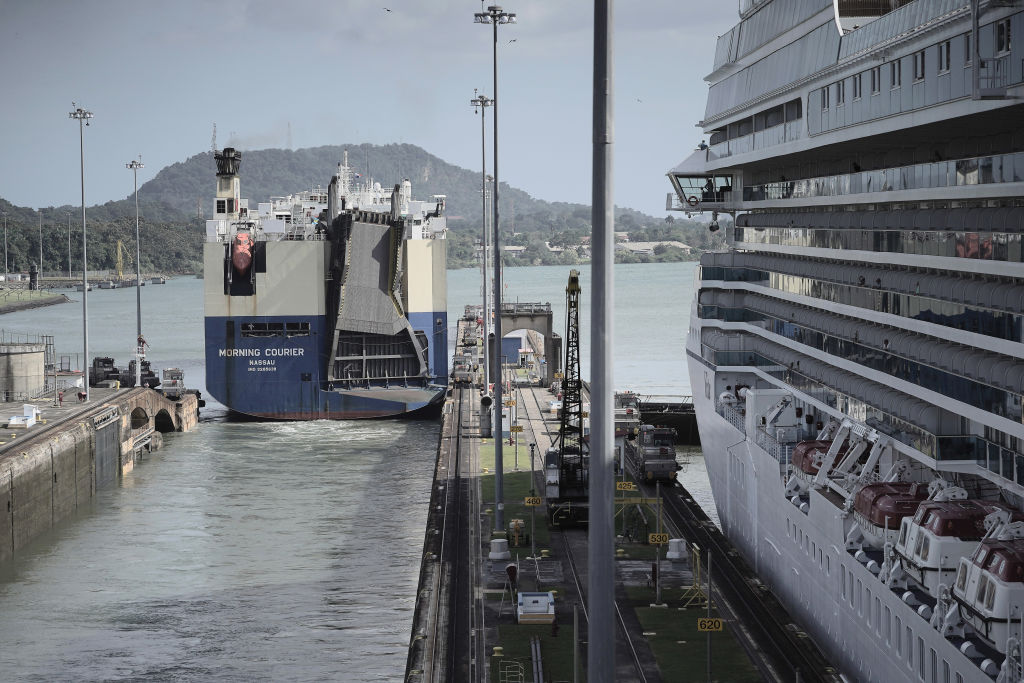
“He was a natural businessman and gave Teddy Roosevelt the money for many of the great things he did, including the Panama Canal, which has foolishly been given to the country of Panama after the United States — The United States — I mean, think of this — spent more money than ever spent on a project before and lost 38,000 lives in the building of the Panama Canal,” he continued. “We have been treated very badly from this foolish gift that should have never been made. And Panama’s promise to us has been broken. The purpose of our deal and the spirit of our treaty has been totally violated. American ships are being severely overcharged and not treated fairly in any way, shape, or form. And that includes the United States Navy. And above all, China is operating the Panama Canal, and we didn’t give it to China; we gave it to Panama. And we’re taking it back.”
In an October 1976 debate with then-President Gerald Ford — who supported a treaty with Panama while Ronald Reagan, his opponent in the 1976 primaries, opposed it — Jimmy Carter promised he would not surrender “practical control of the Panama Canal Zone any time in the foreseeable future.”
That didn’t last. After he was elected president, Carter sent his envoys to negotiate a treaty with Panama giving Panama control over the Canal Zone. Carter signed the Panama Canal treaty in September 1977, the Senate ratified the Panama Canal treaty in April 1978. Carter signed the implementation legislation into law in September 1979.
“On behalf of the Republic of Panama and its people, I must reject in its entirety the words expressed by President Donald Trump regarding Panama and its Canal in his inaugural address,” Mulino stated on X (as translated by Google). “I reiterate what I expressed in my message to the Nation on December 22: the Canal is and will continue to be Panama’s and its administration will continue to be under Panamanian control with respect to its permanent neutrality. There is no presence of any nation in the world that interferes with our administration.”
CELEBRATE #47 WITH 47% OFF DAILYWIRE+ MEMBERSHIPS + A FREE $20 GIFT
“The Canal was not a concession from anyone,” he continued. “It was the result of generational struggles that culminated in 1999, as a result of the Torrijos-Carter treaty and, since then until now, for 25 years, without interruption, we have managed and expanded it responsibly to serve the world and its commerce, including the United States. We will exercise the right that protects us, the legal basis of the Treaty, the dignity that distinguishes us and the strength that International Law gives us as the ideal way to manage relations between countries and, above all, between allied and friendly countries, as demonstrated by history and our actions with respect to the United States. Dialogue is always the way to clarify the points mentioned without undermining our right, total sovereignty and ownership of our Canal.”
pic.twitter.com/oEeBCpQnSl
— José Raúl Mulino (@JoseRaulMulino) January 20, 2025








 New Posts (Home)
 ChatBox
 Popular Posts
  Game Zone
 Top PodCasts