YubNub Social YubNub Social
    #libtards #terrorism #patriots #antifa #americafirst #loonyleft #police\ #foundingfathers #patriotichistory #wethepeople
    Advanced Search
  • Login
  • Register

  • Night mode
  • © 2026 YubNub Social
    About • Directory • Contact Us • Developers • Privacy Policy • Terms of Use • shareasale • FB Webview Detected • Android • Apple iOS • Get Our App

    Select Language

  • English
Community
New Posts (Home) ChatBox Popular Posts Reels Game Zone Top PodCasts
Explore
Explore
© 2026 YubNub Social
  • English
About • Directory • Contact Us • Developers • Privacy Policy • Terms of Use • shareasale • FB Webview Detected • Android • Apple iOS • Get Our App
Advertisement
Stop Seeing These Ads

Discover posts

Posts

Users

Pages

Blog

Market

Events

Games

Forum

Pet Life
Pet Life
1 y

Catster Photo Contest: Cats of the Week Winners (Mar 27, 2025)
Favicon 
www.catster.com

Catster Photo Contest: Cats of the Week Winners (Mar 27, 2025)

The post Catster Photo Contest: Cats of the Week Winners (Mar 27, 2025) by Catster Editorial Team appeared first on Catster. Copying over entire articles infringes on copyright laws. You may not be aware of it, but all of these articles were assigned, contracted and paid for, so they aren't considered public domain. However, we appreciate that you like the article and would love it if you continued sharing just the first paragraph of an article, then linking out to the rest of the piece on Catster.com. Click to Skip Ahead Winner Silliest Cutest Most Dignified Most Expressive Best Action Shot Sleepiest Enter Your Cat This Week’s Winner Name: Shegwa and Mr. Pibbles Breed: Longhair Silliest Name: Violette Breed: Neblung Fun Fact: “Violette was found as someone’s dumped kitten who’d been hit by a car. Her tail was almost severed from her body. But surgery did wonders for her, although she does suffer arthritis. We are incredibly fortunate to have her! She is so chilled out and loves her snacks! And believe it or not, she hates having her photo taken! Her eyes are actually green but appear yellowish in sunlight.” Most Dignified Name: Mr. Handsome Breed: Domestic shorthair Facts: “Handsome is a foster “”fail””. He was rescued after being dumped outside, and I offered to take him in until a home could be found for him. I didn’t really expect to see much of him during that time based on my experience with other fosters, but he walked in, explored, and immediately curled up next to me and began purring. He made the decision to stay; I just listened. That was 3.5 years ago. He’s about 4.5 years old, and the best decision I ever made. “ Best Action Shot Name: Bonnie Breed: Domestic shorthair Fun Fact: Rescue from hoarding house with 115 cats…only 6 months ago. She had never been outside. I wanted her to safely experience grass, bugs, leaves etc. Quickly adjusted to the harness…goes to back door and asks to go out almost daily. Makes her a happy girl. Sleepiest Name: Joey Breed: Tabby Fun Fact: Both my cats Joey ( White& Grey Tabby) and Sierra ( the Grey Maine Coon) are buddies and love sleeping together at times…. Most Expressive Name: Jelly Breed: American shorthair Fun Fact: This is Jelly. If you look closely her right leg is a ‘little’ leg. When she was 6 months old, she had her right leg amputated. She is now 11 years old. Enter Your Cat Submit your kitty for a chance to be featured! Click here This article is a part of our Weekly Photo Contest View our previous week’s winners here: March 20, 2025 Click here to view our full list of past winners The post Catster Photo Contest: Cats of the Week Winners (Mar 27, 2025) by Catster Editorial Team appeared first on Catster. Copying over entire articles infringes on copyright laws. You may not be aware of it, but all of these articles were assigned, contracted and paid for, so they aren't considered public domain. However, we appreciate that you like the article and would love it if you continued sharing just the first paragraph of an article, then linking out to the rest of the piece on Catster.com.
Like
Comment
Share
SciFi and Fantasy
SciFi and Fantasy  
1 y

Egwene Visits the World of Dreams While Nynaeve Tackles the Sea in The Wheel of Time’s “Tel’aran’rhiod”
Favicon 
reactormag.com

Egwene Visits the World of Dreams While Nynaeve Tackles the Sea in The Wheel of Time’s “Tel’aran’rhiod”

Movies & TV The Wheel of Time Egwene Visits the World of Dreams While Nynaeve Tackles the Sea in The Wheel of Time’s “Tel’aran’rhiod” This episode introduces some major concepts from the Wheel of Time novels… By Sylas K Barrett | Published on March 27, 2025 Credit: Prime Video Comment 0 Share New Share Credit: Prime Video In this week’s episode of The Wheel of Time, Elayne and Nynaeve learn the secret of the Sea Folk, while Egwene ventures into the World of Dreams and Moiraine struggles with the things she learned, and found, in Rhuidean.  Recap “Telaran’rhiod” opens with Moiraine standing out in the desert, attempting to channel through the Sakarnen. The Shaido have refused to accept Rand as the Car’a’carn, and some other clans may do the same. Bair gives Aviendha the duty of teaching Rand the ways of the Aiel. They arrive at Cold Rocks Hold, where Rhuarc and Bair’s wife, Lian (Nicole Sherwin) is roofmistress. In the White Tower, Elaida has an audience with Siuan, in which she states her intention to bring the White Tower back to a state of power and glory. She intends to call a vote in the Hall about caging the Dragon Reborn. Elaida remembers that Siuan and Moiraine were close when they were younger, and is confident their relationship is more than what it seems to be. Bair and Melaine take Egwene into Tel’aran’rhiod. The World of Dreams is a dangerous place; if you die in the Dream, you die in the waking world. Egwene accidentally transports herself to the streets of the Dream version of Tar Valon, where she is assaulted by Lanfear. When she wakes, Bair tells her that she is being stalked by one of the Forsaken. Elaida tells Alviarin (Clare-Hope Ashitey) of the White Ajah that she can prove that Siuan has been purposely destroying the White Tower from within. Elaida corners Adeleas, who reveals the location of the two imprisoned Black Ajah members. This is the trap laid for Elaida by Siuan, Verin, and Leane, to discover whether she is also a Darkfriend. On the ship to Tanchico, Mat is frustrated at being cooped up with Elayne and Nynaeve. Despite being told by the Sea Folk Sailmistress that they must stay in their cabin, Mat goes to the deck and the girls follow. The Sailmistress, Corin (Dany Verissimo-Petit), gives Nynaeve advice on how to stand like a sailor. Mat discovers that Min is also on board. Dain Bornhald (Jay Duffy) catches Natti Cauthon (Juliet Howland) trying to steal his keys. He is struck by the One Power. Realizing that either Natti or one of her daughters can channel, he gives Natti to Aemon Valda (Abdul Salis) for questioning.  Perrin, Faile, Bain and Chiad prepare to infiltrate the White Cloak camp. Alanna will channel a wall of mist for cover. Maksim and Alanna argue, and she admits that she has come to the Two Rivers to find channelers; he wants to build a stronger army to fight in the Last Battle. Maksim wants to go find Liandrin and avenge Ihvon’s death. Alanna turns off the bond and Maksim leaves. Melindhra shares memories of Malkier with Lan. Later, Moiraine tells Lan what she saw in Rhuidean: that the only future in which Rand survives is one in which she dies. Mat finds a drawing that Min made of her vision, in which he is hanging by his neck from a doorway. He points out that her visions have been wrong before. Nynaeve and Elayne witness the Sea Folk Windfinder, Jorin (Carmela Bonomi) channeling. They learn that the Sea Folk keep the strength of their channelers a secret, and promise to keep that secret from the rest of the White Tower. They arrive at Tanchico, and Min joins their group. Elaida visits Amico and Joiya. She decapitates Amico and tortures Joiya, but Joiya is killed by a Gray Man before she can confess anything. The Gray Man nearly kills Elaida before she is saved by Leane and Siuan. Siuan admits that it was a trap, and that she misjudged Elaida by thinking she might be a Darkfriend. Valda realizes that the mist has been created by channeling. Perrin, Faile, Bain, and Chiad sneak into the camp and free Mat’s sisters, but Perrin finds Natti burned to death on a stake. He and Faile are attacked by Whitecloaks. Faile saves Perrin after he is wounded. Valda leads a team of Whitecloaks to capture Alanna, shooting her with arrows as she fights them. Alanna is saved at the last moment by Maksim, who kills the remaining Whitecloaks. He tells her that she turned the bond back on when she was shot, and carries her away. Lanfear visits Rand in his dreams. He says that he can see strength and determination behind her Darkness. She has fallen in love with his Light as well as his darker aspects. Moiraine asks Egwene to escort her through Tel’aran’rhiod to deliver a message to Siuan. Egwene takes her to Siuan’s dream, where Moiraine tells Siuan that the White Tower must bend the knee to Rand or he will lose the Last Battle. Moiraine tells Siuan that what they had is broken and cannot be mended in this life. Siuan promises to find Moiraine in the next life, and every one after that, and Moiraine promises to wait for her. They kiss. Egwene visits her friends’ dreams. She sees Nynaeve giving instruction as Wisdom of Emond’s Field. Elayne dreams of being a Sea Folk Windfinder, channeling to fill the sails and then being embraced by Aviendha. Mat dreams of being a lord and providing for his family, while Perrin dreams of working in his smithy; Egwene is surprised to see a new face, Faile’s, at his side. Finally, Egwene visits Rand, but is horrified to see Lanfear with him. Lanfear meets Egwene’s eyes. Commentary “Tel’aran’rhiod” introduces us to the World of Dreams, to new societies like the Sea Folk, and some small but pointed lessons for Nynaeve around her fear of channeling, but the story itself is about connections between people. From Aes Sedai and Warders, to long-standing friends, to romantic relationships, both old and new, the episode explores what it means to be connected, and what it means to stand apart, from the other people in your life. Rand is obviously isolated as the Dragon Reborn, though the episode doesn’t focus on him as much as the other main characters. His evolving relationship with Lanfear—someone who he believes he knows and has come to understand—is contrasted with the distance grown between him and Egwene, while his love and affinity for children is contrasted with his resistance to Aviendha’s teaching about Aiel ways, and her own prickliness towards him. The episode focuses strongly on Egwene’s connections to others as well. Even though every one of her friends’ dreams (Lanfear notwithstanding) is a good one, and she clearly enjoys seeing them, there is still a sense of loneliness in these nocturnal visits.  When Moiraine arrives in Siuan’s dream, Siuan recognizes her right away. Whether Siuan is aware that she’s dreaming and that Moiraine has traveled Tel’aran’rhiod, or believes that she’s awake and that Moiraine reached her by some other mystical fashion, Siuan is instantly aware of her lover, and the two are able to talk, connect, and even kiss. But when Egwene visits Nynaeve’s dream, Nynaeve is unable to see her at all, despite Egwene’s initial expectation that she will. The reason for this isn’t clear—Moiraine was not traveling the Dream herself but rather was delivered by Egwene from one dream to another, and so may have become a part of Siuan’s dream, while Egwene stood apart, looking in. Whatever the reason, there is a sense of distance established as Egwene observes Nynaeve teaching a young girl to listen to the wind. Egwene stands far away from the scene, and the viewer is aware, as Egwene herself must be, of the scene in season one in which Nynaeve taught Egwene the same lesson. But now Nynaeve is dreaming of some other girl, not Egwene, who stands and watches Nyenave dream of the life she has left behind. A life they have both left behind. In Mat’s dream he is with his mother and sisters, and only Perrin is mentioned. In Elayne’s dream she stands on the Sea Folk raker and channels in a way that would look strange and unfamiliar to Egwene, who has not learned about Windfinders. Perrin, in contrast, dreams of somewhere familiar to Egwene, but is with a person Egwene has never met. And in each scene, Egwene’s Aiel garb, designed to blend into the desert, makes her stand out, looking foreign and strange. It’s clear that she doesn’t fit into the surroundings, and while she is clearly happy for her friends, she also doesn’t quite seem to share in their peace. Until she arrives in Rand’s dream, that is. The change that comes over her is marked; she seems to blossom in the sunlight as she realizes where she is. She appears ready to go to Rand until she sees Lanfear. For a moment, it feels like Egwene belongs. Then, Lanfear shatters that illusion. Earlier in the episode, Bair tells Egwene that it is time for her to stop watching Rand and invites her to join the Wise Ones in “walking the Dream.” She does not literally say that it is time for Egwene to start living her own life, but she might as well have; this ability to enter Tel’aran’rhiod is something special to Egwene, her own version of uniqueness and power, and it is clearly setting her apart from Rand as much as Rand’s own destiny has. Egwene even leaves the bedroom she is sharing with Rand to sleep nearer to the Wise Ones, a decision that clearly hurts Rand, though he verbally supports it. Egwene is hardly the only person in the episode who struggles with concepts of connection and distance, however. Alanna and Maksim’s relationship has continued to fracture since Ihvon’s death, culminating in their argument before the attempt to rescue the Cauthons. Despite Maksim’s desire to turn off the bond for a time and Alanna’s refusal to do so, Maksim is the one making the outward bid for connection, begging Alanna to come away with him, making jokes and reminding her of things she likes, like the shop in Ebou Dar. Alanna, in turn, has admitted to Perrin that she finds Maksim’s grief suffocating. He continues to serve his role as Warder, but the relationship is not balanced, and one sees some parallels between his distress and Lan’s in season two. His Aes Sedai is not telling him everything, despite the fact that he continues to ask. It is only during their fight that Alanna tells him, harshly, that he isn’t enough. Here, the truth of their conflict comes out: Alanna is attempting to deal with her grief over Ihvon’s death by focusing on preparing for the Last Battle—a goal and a viewpoint much broader than her own loss—while Maksim cares only for the two people he loves most and wants to seek revenge for Ihvon’s death. Their different approaches to grief is part of what is dividing them, but the fact that Ihvon was the emotional lynchpin around which their relationship turned is also relevant—Alanna implies much by saying Maksim isn’t enough, while Maksim is (at least momentarily) willing to leave her behind to focus on revenging Ihvon. It is only when he returns to rescue her that the both realize they are still committed to each other—Alanna unconsciously turned the bond back on, and Maksim came at once. Whether or not their conflict will be resolved by this moment remains to be seen, but their connection to each other is nonetheless clear.  Lan and Moiraine’s connection has already been tested and reconfirmed, however. Moiraine is able to confide in him fairly easily, as she admits she knows that she must die and that she is grieving and afraid over the revelation. There is nothing Lan can do to fix this problem, or to carry this burden for her, but he is able to provide comfort and even a moment of levity all the same. Their connection in this episode shows how much they have both learned from the conflict in season two. Moiraine and Siuan also show the strength of their love for each other. In talking about what happened in Cairhien, they are both able to see the others’ perspective, even though they are each hurt by the other’s choices. When Siuan expresses regret over her lack of skill in managing being Amyrlin, Moiraine comforts her. And when Moiraine tells Siuan that what they had has been broken (clearly a lie intended to spare Siuan pain over Moiraine’s future death) Siuan reconfirms her commitment to Moiraine not only in one life, but in every life. It is a beautiful moment, and shows how their love is stronger even than the events that have put distance between them, both metaphorically and literally. Lan’s feelings of isolation and lack of connection to Malkier is also touched on in his conversation with Melindhra, in which he laments not being able to remember anything about the land of his birth. Melindhra consoles him, but it is interesting that her own reminiscence of Malkier lacks any substance. She speaks of the country’s poetry and other achievements, but only in the abstract; she never quotes any lines or gives any specifics. When Lan asks what she misses most, Melindhra offers the most generic response possible, “the laughter.” Everywhere has laughter, Melindhra. Min, on the other hand, seems to be finding connection for the first time, as she once again chooses Mat over the task she has been assigned to complete and joins him, Elayne, and Nynaeve on their quest. She appears to be trying to cultivate a different relationship to her visions, as well. These visions tie her to the Pattern and to the lives of everyone she meets in profound ways; the viewer wonders if Min will find a way to experience that connection as such, rather than as something that makes her keep extreme distance from the world and everyone in it.I have to say, I laughed when Mat found the sketch of himself hanged in the doorframe. Not because Mat’s pain is funny, but because the moment is so very true to one of the character’s biggest personality traits. He is, in many ways, the architect of his own suffering; it is just so like him to demand Min never tell any of the visions she sees around him, only to stumble right into the worst one while he’s trying to tease her. I’m not saying he deserved what he got, exactly… but he kind of did. Dónal Finn continues to delight in the role, and I think he has struck exactly the right balance with his portrayal of Mat—equal parts mischievous rogue, genuine and earnest friend, and man who always puts his foot in his mouth at the worst possible moment. Nynaeve’s connection to her home, to the one Power, and to her own sense of identity is also touched on in the episode, as Coine tries to teach her how to stand like a sailor, rather than a woman from the mountains. Coine insists that Nynaeve’s sea sickness is because she is stubborn and rooted, fighting to make the deck still underneath her feet rather than learning to accommodate its motion. Later, Corin suggests that this same effort at control is the reason Nynaeve can’t channel at will—the One Power is like the sea, always flowing on whether one wants it to or not. She invites Nynaeve to ponder a very interesting idea: that Nynaeve’s own sense of identity as a woman (being a Wisdom) is not her only option, and that the Aes Sedai method of channeling is also one of many ways to be a channeler. This encounter with the Sea Folk is a bit truncated, which is perhaps unavoidable given the short length of the show’s season. However, a viewer might wonder at how easy it ended up being for Nynaeve and Elayne to discover the secret of the Sea Folks’ ability to channel, after it was kept from the Aes Sedai for so long. True, Coine and Jorin are under the impression that Nynaeve and Elayne are full Aes Sedai, rather than Accepted, and so will believe that the promise not to tell anyone is bound by the First of the Three Oaths. However, one wonders what they would have done if Nynaeve and Elayne—who as far as they know are full Aes Sedai loyal to the White Tower—had refused to keep the secret. Speaking of the Three Oaths, I am very perplexed that Elaida was able to use the One Power to murder Amico and Joiya (she never got the chance to kill Joiya but stated her intention to do so) in cold blood. The Three Oaths were explained by Moiraine back in the second episode of season one, including the Third Oath, in which an Aes Sedai swears “never to use the One Power as a weapon, except in the last extreme defense of her own life, or the life of her Warder, or another Aes Sedai.” Later in season two, when Lanfear attacks Nynaeve in Ways, Lanfear confirms that such an attack violates the Third Oath—the fact that she can violate it proves she is Black Ajah. An Aes Sedai who is not sworn to the Dark shouldn’t be able to murder an unarmed, defenseless prisoner. This would suggest that Elaida is Black Ajah—however, Siuan and Leane take the Gray Man’s attack as proof that she is not. There are a couple possible answers to this conundrum. One is that Siuan and Leane arrived too late to see Elaida’s murder of Amico and assume that she was also killed by the Gray Man. Seeing Elaida being attacked in the same way made them believe that she could not be Black Ajah, a fair enough assumption under the circumstances. Verin learned that each member of the Black Ajah only knows the names of three others, so Elaida’s desire to learn more names doesn’t necessarily prove her innocence. She may have been trying to gather more of the Black Ajah around her in an attempt to gain power, just as Liandrin did. And her presence in the cells would not necessarily have been anticipated by Moghedien, or whichever member of the Forsaken sent the Gray Man. It would no doubt have been instructed to kill everyone it found in the room—the death of any Aes Sedai who happened to be in the cell interrogating the prisoners when the Gray Man arrived would certainly have pleased the Dark, and the small possibility of a Darkfriend being being present at the time would hardly have mattered to the Forsaken, if they even thought that far at all. It is a little more difficult to imagine any way that Elaida might not be Black Ajah, but it is important to remember that the Three Oaths are somewhat subjective. The most prominent example of this is the first Oath, in which an Aes Sedai swears “To speak no word that is not true.” Functionally, this Oath prevents an Aes Sedai from saying anything she knows to be untrue, but not something she doesn’t know is untrue. There is a difference between lying and being honestly mistaken. Also, as has been pointed out by more than one character throughout the show, Aes Sedai are able to deliberately mislead by choosing their words carefully and letting their listeners infer something that was never actually stated. The words “last extreme defence” would certainly seem to suggest something more like Alanna’s situation with the Whitecloaks than Elaida’s assault on the prisoners, but the Oath does not outline the exact parameters of what the term means. The Black Ajah are an enormous and unprecedented threat to every Aes Sedai, and to the White Tower itself. A certain kind of woman might feel that their very existence constitutes a last extreme, and we have seen that Elaida is an intense person, one who carries a deep personal hatred for a professional rival and is willing to do just about anything to tear her down and make her suffer in the process. If Elaida is not a member of the Black, and if she truly sees the very existence of the Black Ajah as a headsman’s axe about to fall upon her and all of her sisters, she would probably be able to use the One Power as a weapon, even to kill, under those circumstances. Either way, Elaida’s visit to Joiya and Amico gives viewers a lot to ponder, and since her story has been somewhat altered from the source material (and there is always the potential for further, possibly radical, alteration later in the show) even book lovers can join in on the fun of such speculation. Another slight alteration from the books is the character of Bair, who is actually a combination of two book characters, Bair and Amys, who are Egwene’s main teachers in the source material, although Melaine is also important. Interestingly, Bair’s character in many ways resembles Amys more than Bair—in the books, Amys can channel and Bair cannot. Melaine, however, can channel in the books but not in the show. Bair, Rhuarc and Lian’s relationship introduces the audience to the concept of Aiel polyamory, and also updates it in a refreshing way. In the books, the Aiel do engage in polyamory but only men have multiple wives, and the wives consider each other to be sisters—much like the forms of patriarchal polyamory we know from our own Age. The inherent sexism of such an arrangement is mitigated slightly by the fact that Aiel women pursue men, and that the polyamory is arranged by the prospective wives/sisters, rather than by the men. However, the portrayal of Aiel polyamory as a multi-sided romantic relationship is a much more modern version of such an arrangement, and treats the concept of romantic and sexual love between women with more dignity than in the original version. I really enjoyed episode five, and it feels like season three is really starting to pick up steam. I’m excited to see what comes next week. Favorite Line: How did you find me?You turned the bond back on five arrows ago. Also, did you see Alanna rip an arrow out of her own body and hurl it into that Whitecloak with the One Power. Incredible. I stan for the Green Ajah.[end-mark] Looking for more on The Wheel of Time? Find all of our episode recaps and discussions here, plus additional articles and news about the television series. You can also follow along with Sylas’ read-through of the books! The post Egwene Visits the World of Dreams While Nynaeve Tackles the Sea in <i>The Wheel of Time</i>’s “Tel’aran’rhiod” appeared first on Reactor.

Like
Comment
Share
Survival Prepper
Survival Prepper  
1 y

Modern OPSEC and Thirdworldization
Favicon 
www.theorganicprepper.com

Modern OPSEC and Thirdworldization

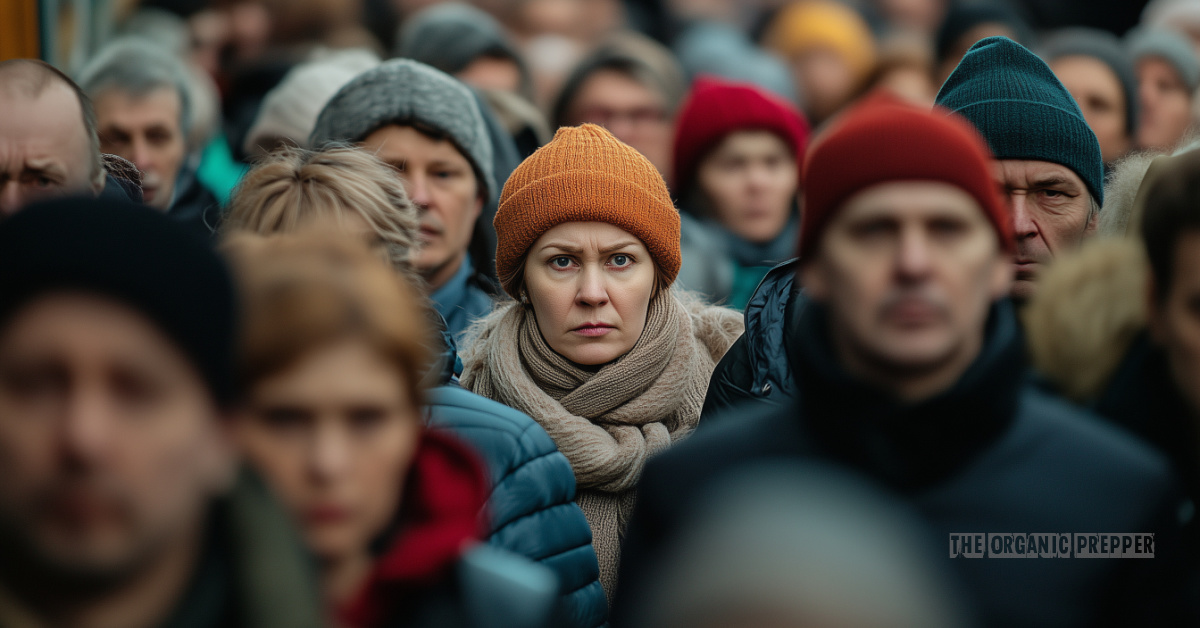
By the author of Household Preparedness Training: Domestic Protocols For Crises And Emergencies Last year, International Man published an intriguing article by Jeff Thomas about American society during the Great Depression period. Duly named Duesenberg In A Barn, it opens with a story about shifts in culture and the lifestyle of wealthy individuals and families during the 1930s and beyond (Duesenberg produced luxury sport cars between 1913 and 1937). He recounts how the riches that didn’t get snuffed out by, or even profited from, the 1929 Stock Market Crash, kept flaunting their wealth trying to outcompete each other, in an attempt to extend the 1920s Jazz Era hedonism and largesse into Depression times. However, as the crisis aggravated, these individuals and families started to realize that such behavior amidst the rampant misery was quickly becoming a liability.  “Whatever the psychology involved, in 1930, those who had fared well soon learned that it was unwise to be conspicuous in their continued wealth. At that point, an interesting but little-remembered development occurred. Such people put their mink coats in the closet, their jewelry in a safe place, and found barns in the countryside into which they could park their Duesenbergs, Cords, and Auburns.” The rich toned down not from sympathy or compassion but as adaptation. Contrary to what many think, the wealthy have a sharp survival instinct. That’s a crucial distinction, with the keywords being “adaptation” and “survival”, and the main takeaway an important social dynamic typical of all crises: the nail that stands out gets hammered.  Those born and living in unstable and hostile contexts are constantly reminded of all the unwritten rules that keep us, our kin, and our stuff, safer. From criminals, sure, but also from tyrannical, greedy governments and corrupt authorities.  I call that Thirdworldization OPSEC. It applies to criminality and government overreach mainly, but as Thirdworldization expands, it’s now applicable to other areas of social existence. Illegal immigrants, as well as political, religious, and ideological extremists from our own society, must now be added to the list of official (i.e., state) and criminal threats. Threats are increasing and modern OPSEC is important. There are periods in history when the number and diversity of potential enemies and hazards around us rise, and that’s the case in most of the West right now. People are financially insecure, afraid of the future, confused, and lost. Those feelings lead to anger and revolt. Add all the leftist/woke indoctrination and brainwashing of the last years, and we get a mass of utterly discontent and unhinged folks out there.  The majority cannot put a finger on, much less process what’s happening. Nevertheless, the sentiments are there and everyone starts lashing out at everyone else, resulting more frequent and intense episodes of violence and increased friction. I’m talking about gratuitous, random, and now targeted and coordinated violence coming from all sides and for a variety of reasons. I warned about this in 2023, and it’s now coming to a head.  Let’s examine some facets of this phenomenon and how to deal with this new reality. Starting with what Thomas addressed in his Duesenberg article: lifestyle, status, and ostentation There are many similarities between the 1920s and now. The risks of a grave economic or financial event are sky-high. Growth is abysmal, inflation is rising, and living standards are dropping.  And critically, the concentration of wealth is growing at an accelerated pace. The haves are getting fleeced and may be outnumbered by the have-nots at some point, which is bad. Economic disparity begets political polarization, which begets the undoing of the social fabric, which begets cultural degradation, which begets the undoing of civilization. More people are living in the streets (I’ll return to that in an upcoming post). Drug and alcohol abuse are skyrocketing, and mental illness is exploding. Those things are happening across all demographics, which is concerning and one of the points of this post. “Thou shall not flaunt.” Even though we’re not yet at the stage described by Jeff Thomas, the words of late philanthropist George Peabody – “Ostentation is a target you hang on your back” – already come to mind as a survival rule in a declining society.  Nonetheless, everybody’s trying to keep up with the Joneses, something evident in both the real world and the web. Social media is a carousel of Dubai trips, fabulous resorts, fancy restaurants, luxurious dresses, plastic surgeries, and Lamborghinis.  That’s not the reality, but a facade. This is the age of gambling, easy money chasing, glorification of ignorance (Dunning-Kruger and “influencer culture”), fake lifestyles, and blatant ostentation. It’s a bubble, and the bill will come due. But enough with the rant. No one has to live like a monk. Being aware, smart, contained, and disciplined always pays, only now more than ever. Besides, it only requires focus on what we can control: our profile, exposure, consumption choices, and lifestyle. The same dynamic happens in other areas as well. Let’s talk about political radicalization. Tesla owners and dealers are getting their vehicles and premises vandalized by Trump haters, who now have turned into Musk haters thanks to his association with the government and his role in DOGE initiatives (no need for links as both topics are all over the news). It’s, in essence, a criminal matter, but with political and ideological motivations, things get more complex and sensitive, not to mention dangerous.  I’ve previously expressed my view on the likelihood of a civil war 2.0 in the U.S.. I stand by everything I said in that article, including the potential for the rise of intra-terrorism and political violence, or even criminality, reaching civil-war-like levels. Is the mass of indoctrinated and radical people ready to spread a wave of madness and violence? We’re already getting a glimpse of that. Will it fizzle out or escalate? How will government, institutions and other sectors of society respond if that happens?  We don’t know, and that’s the point. It’s possible, so the question is how probable? Even a few can cause great damage, physically and to the nation’s mood and institutional order.  “Literally anyone can be a lone wolf. It’ll make the problem that much tougher to tackle, without curtailing civil liberties. Civil war or not, a wave of violence is coming.”  That’s Max Remington on his excellent “Trouble Brewing On The Horizon”  recently in his Substack. I encourage you to read it fully as it tackles the various angles of this phenomenon and the possible outcomes in a very thorough and down-to-earth fashion.  The left has no guardrails and is showing signs it won’t concede power, entitlements, and schemes easily or without a fight. But in truth, even peaceful people can turn radical. So you may just be denied service in a restaurant for wearing this hat or that shirt, or get your car keyed for sporting this or that sticker. But the possibility of something worse happening cannot be ignored, now more than ever.  Bringing this segment to a conclusion, let’s be pragmatic: Defending and expressing political views, preferences, and affiliations with excessive fervor, or trying to sway people with vehemence, has never been wise or a 100% risk-free endeavor. It’s now quickly becoming a liability, and that’s what matters to us. Individual identity and personal expression In a multidimensional crisis, volatility is the norm. Criminality aside, things get crazy beyond the imaginable, often involving aspects of lifestyle and politics as addressed above, but also of culture, religion, race and ethnicity, sex and gender, and more.  Even small, seemingly innocent actions can lead to unwanted outcomes, sometimes dreadful ones. One such example is the case of the “Deadly Posts”: “Brazilian Criminal Groups Are Allegedly Monitoring Social Media For Perceived Rivals.” [SOURCE] People being kidnapped and assassinated by gangs and factions for posting selfies with hand signs on social media may sound like typical Third World stuff. The truth is that it’s neither new nor exclusive to banana republics and narco-states, as this ABC News article from 2013 shows.  Since gangs and criminals exist pretty much everywhere, we must assume that stuff like that can happen anywhere, so it’s also worth reflection and consideration. An issue in the virtual realm as well People and businesses are being persecuted, canceled, marooned, or hacked for expressing their views and opinions on social media and internet. If they’re not, they can and the risk is now bigger than ever. Citizens get arrested and charged in the UK and other countries for political, racial or gender-related posts, or other reason deemed contentious by the authorities. This is happening here in Brazil and other places as well, and when it makes the news (which is rare), it gets distorted. The internet is a minefield. Here are various forms of drawing a personal SHTF onto oneself (and that’s discounting the risks presented by virtual scams and other heists). Even if you consider yourself a digital hermit, others around you (relatives, friends, etc.) may get inadvertently affected, so think about it. The rules or grounds for those things to happen aren’t much clearer, making matters even worse. Hate speech? Misogyny? Racism? Discrimination? Anything can stick, especially if it’s the government and their acolytes (corrupt NGAs and the media). It’s better to lay low and refrain from some fights. Do you want to be right or be safe, happy, and get things done? “You mean I cannot talk on my phone while walking the streets? That I cannot wear my MAGA hat or shirt or stick a flag in my front yard, drive this or that car? That I cannot openly agree or disagree with this or that view, or express my dissatisfaction with how X, Y, or Z do things?” It’s not a matter of can but should. What is to be gained versus what can be lost. The potential risks, and not only in the short term.  In times like these, to err on the safe side is a wise strategy. Not turning paranoid, but I am considering the potential implications of some stances, decisions, and behaviors. What about religion? That’s a more complex and delicate issue. We all have hills on which we’re willing to die rather than surrender, and religion may be the case for some. It’s a very intimate subject, perhaps the most personal of all being addressed here so I’ll refrain from comment and leave each to make their own reflections. New world mindset for urbanites The worse the crisis, the more dangerous it gets out there. It’s not just crime and violence of all kinds that go up, but other forms of uncivilized savagery as well: road rage, domestic violence, abuses against children, elders, women, minorities, and more.  Road rage, in particular, is a big issue because when everyone is at boiling point, the risks of getting inadvertently involved in trouble simply by everyday exposure and friction increase exponentially.  Be mindful of vigilanteism as well. It’s a complex issue with many angles and thus worth a dedicated post, so I’ll just say it also tends to rise and become critical in times of unrest. Common citizens can get caught on both sides, and the consequences can be grave. Being 100% grey all the time and about everything is impossible. Realizing that is critical, even those living as recluses will eventually draw some attention or bump into someone the wrong way. Keep a cool head and the emotions in check is something under our control. Final words I acknowledge First World residents might feel these ideas represent a loss of freedom and personal agency. Unfortunately, it’s true in part, and there’s not much we can do about it.  Just because we’ve been living relatively peacefully for the last 20 or 30 years doesn’t mean it will remain so forever.  For the record, I’m not saying these things are happening or will happen where you live. Some phenomena are global, but they don’t happen on the same scale or intensity everywhere.  Most important, it’s not an SHTF. The world as we know it is changing, not ending. Not everything will be fine, but it never is anyway, and that’s okay. It’s perfectly possible to live a good and normal life in a volatile world.  Becoming paranoid isn’t the answer, much less joining the madness. Be realistic and smart: assess the situation, prepare, make the necessary adjustments, and do what you can. And as always, stay safe. What do you think? Do you see things becoming more dangerous in your area? Are you concerned about political or ideological violence? What steps, if any, have you taken to be more “gray” in this modern world? Let’s discuss modern OPSEC in the comments section. About Fabian Fabian Ommar is a 50-year-old middle-class worker living in São Paulo, Brazil. Far from being the super-tactical or highly trained military survivor type, he is the average joe who since his youth has been involved with self-reliance and outdoor activities and the practical side of balancing life between a big city and rural/wilderness settings. Since the 2008 world economic crisis, he has been training and helping others in his area to become better prepared for the “constant, slow-burning SHTF” of living in a 3rd world country. Fabian’s ebook, Street Survivalism: A Practical Training Guide To Life In The City , is a practical training method for common city dwellers based on the lifestyle of the homeless (real-life survivors) to be more psychologically, mentally, and physically prepared to deal with the harsh reality of the streets during normal or difficult times. He’s also the author of The Ultimate Survival Gear Handbook. You can follow Fabian on Instagram @stoicsurvivor The post Modern OPSEC and Thirdworldization appeared first on The Organic Prepper.
Like
Comment
Share
Daily Signal Feed
Daily Signal Feed
1 y

Maine Insists on Allowing Men in Women’s Sports. That Could Cost It $250M in Federal Education Funds.
Favicon 
www.dailysignal.com

Maine Insists on Allowing Men in Women’s Sports. That Could Cost It $250M in Federal Education Funds.

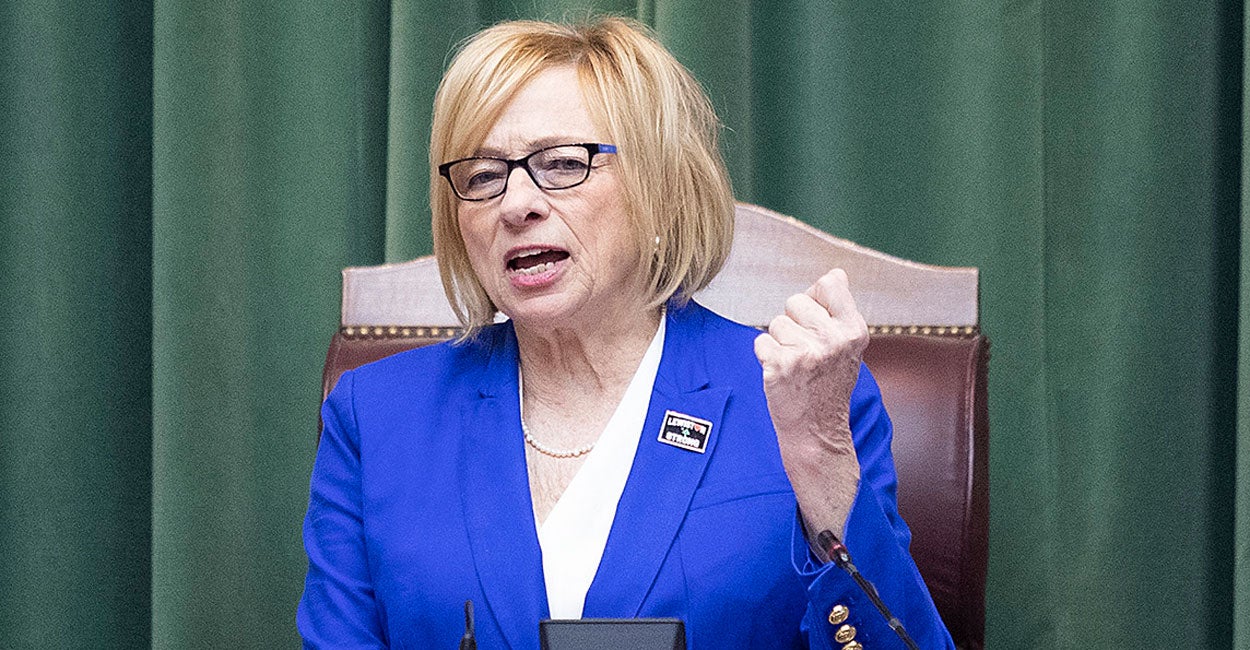
Maine is putting it all on the line in the name of “transgender rights.” The state has gone so far as to risk federal funding for education and to strip some Maine residents of representation in the state capital.  The ongoing dispute between the state and the federal government over Title IX violations is set to cost Maine $250 million in federal funding if relevant state institutions do not comply with federal law by agreeing to limit women’s sports to biological women only. It appears the state won’t budge. Meanwhile, more than 9,000 residents have lost their representation in Augusta through the censure of a state representative who spoke out on social media against Title IX violation. State Rep. Laurel Libby, a Republican, was censured by her colleagues in February for posting the photo of an underage male athlete who won a girls state pole vault championship.   The censure sparked a spat between Democrat Gov. Janet Mills and President Donald Trump.   Trump issued his executive order, “Keeping Men Out of Women’s Sports,” in January, mandating that federal Title IX law must be interpreted according to biological sex rather than the sex with which someone chooses to identify. Title IX prohibits discrimination based on sex in educational programs and activities that receive federal funding. The law aided in the creation of female-only sports programs in grade schools and colleges.  Last week, the U.S. Department of Health and Human Services and the U.S. Department of Education each set a 10-day window for educational institutions in Maine to comply with federal Title IX law. With the first deadline on Thursday, Maine leadership has remained silent about its intended response. Educational institutions in Maine received $250 million in federal funding last year, according to the Maine Department of Education. That money, which goes toward school lunches, special education programs, and state assessments, is on the line if Maine does not comply with federal guidance.  Maine’s attorney general told Politico he is reviewing proposed federal agreements, but Mills has vowed to take legal action to restore any educational funding stripped by the Trump administration. “My administration will begin work with the attorney general to defend the interests of Maine people in the court of law,” Mills said Feb. 21 in response to the U.S. Department of Education investigation into the Maine Department of Education’s Title IX compliance. “But do not be misled: This is not just about who can compete on the athletic field, this is about whether a president can force compliance with his will, without regard for the rule of law that governs our nation. I believe he cannot.”   Meanwhile, Libby said she believes she was silenced for standing up for Maine girls.  “The response on the ground level is displeasure with the governor and the Democrat majority who are pushing this woke agenda and discriminating against Maine girls,” Libby told The Daily Signal. “By and large, Mainers do not support this policy of allowing biological males in girls sports. So, to see our supposed leadership going to bat to push for this agenda is a betrayal of Maine people.”  Libby has said she will not apologize for her Facebook post and is pursuing legal action against those who silenced her. Due to her censure, Libby was not able to vote on the contested $11.3 billion state budget, which was signed into law March 21.   “Effectively, I did not have a say,” former mayor of Auburn Jason Levesque, a constituent of Libby’s, told The Daily Signal. “I did not have a vote along with [9,000] others in the passing of this budget.”  Another constituent, Ronald Lebel, said the censure is a violation of Libby’s and her constituent’s constitutional rights. A retired trial lawyer, Lebel said he has been a registered Democrat since he was old enough to vote. “When I became a Democrat, our party stood for free speech. I came of age during the Vietnam War and I was very active protesting the war … we knew our First Amendment rights would protect us, and they did,” Lebel said. “I see this censure on Rep. Libby in the same context and through the same lens. She merely spoke her mind on an issue of public interest. The basis on which the censure was issued, that it was some sort of an invasion of privacy of a young person, just doesn’t pass the straight-face test.” House Speaker Ryan Fecteau, a Democrat, said in a public statement that Libby violated the Maine legislative code of ethics by posting the photo of a minor. Six of Libby’s constituents, including Lebel and Levesque, have signed on to a lawsuit with Libby against Fecteau and House Clerk Robert Hunt for denying them their representation in Maine’s House of Representatives.  Mills says she is upholding the Maine Human Rights Act, which includes “gender identity” as a protected class. According to Lebel and Levesque, Maine’s government is out of step with the views of the people on this issue. Additionally, a national poll from The New York Times found almost 80% of Americans—including 67% of Democrats—do not support males participating in women’s sports.    Sen. Susan Collins, a Republican who represents Maine in Congress, told The Daily Signal that while she does not support cutting federal funding to her home state, she will not back Mills on “transgender” males in female sports under Title IX.   “It is critically important to treat people who are transgender with respect and dignity,” Collins told The Daily Signal. “But that does not change the fact that Title IX, which was passed in 1972, has greatly expanded opportunities for girls and young women to participate in organized sports … by mandating equal access to athletic resources and facilities on the basis of sex—not on the basis of gender identity.”  Whether she is authentically concerned with protecting transgender athletes or not, Mills seems determined to use the issue to oppose the Trump administration, despite costs to taxpayers and families in her state.  The post Maine Insists on Allowing Men in Women’s Sports. That Could Cost It $250M in Federal Education Funds. appeared first on The Daily Signal.
Like
Comment
Share
Daily Signal Feed
Daily Signal Feed
1 y

Maternal Mortality Rate Dropped After Roe Overturned but Still Too High
Favicon 
www.dailysignal.com

Maternal Mortality Rate Dropped After Roe Overturned but Still Too High

New data from the Centers for Disease Control and Prevention reveals a striking 17% decline in maternal mortality after the Supreme Court overturned Roe v. Wade in 2022, defying alarmist predictions.The decline tells us two things. First, it proves that protecting preborn children does not trigger a maternal health catastrophe, as critics often warned. The evidence is now clear: Pro-life laws did not negatively impact maternal mortality; in fact, maternal mortality has improved since legislating on abortion was returned to the states.Second, and possibly most urgent, there’s still work to be done to confront the persistent tragedy of maternal mortality in the United States. Despite the drop to 18.6 deaths per 100,000 live births, 669 mothers were lost in 2023 alone—the highest rate among high-income countries.That number, as significant as it is heartbreaking, rests at the heart of a complex web of maternal vulnerability factors. Research has consistently identified clear risk factors for women who die from maternal causes, which provides a blueprint for the challenges we must address.One of the most glaring risk factors at play is the presence—or lack—of adequate maternal health care.Approximately 2.2 million childbearing-age women and 150,000 babies are impacted by maternity care “deserts,” defined as counties where there are no maternal health care resources or providers. Expanding the definition to include counties with low access to care, a staggering 6.9 million women are impacted.Other risk factors, while perhaps less obvious, are equally important. These include violent crime rates, access to transportation, overall maternal physical and mental health, substance use or abuse, educational opportunity, and socioeconomic opportunity.Every one of these factors directly shapes the health and well-being of expectant mothers and the long-term outcomes for their children. If we are truly committed to improving the lives of these mothers and their babies, each of these issues requires urgent legislative action and budgetary prioritization. Addressing them is not optional, it’s a moral and practical imperative to ensure thriving families.The Pregnancy Center Support Act and the MOMS Act are two bills that take vital steps toward this goal by fostering a culture that uplifts women. These laws go beyond rhetoric, offering tangible support to empower expectant mothers and reinforce their dignity. Together, they represent a meaningful shift, building systems that nurture both life and hope.The Pregnancy Center Support Act would incentivize donations to the pregnancy resource centers providing lifesaving, life-changing maternal and prenatal care. The MOMS Act, for its part, would help develop an easily navigable website of material, social, and medical resources for vulnerable mothers to use in times of need. It would also seek to improve access to existing pre- and post-natal resources through a grant program for nonprofits and a grant program providing telehealth equipment for those health care deserts.Promoting better and more accessible maternal care is just one piece of a broader pro-life vision. Equally critical is the need for the public and our lawmakers to begin to think seriously and clearly about who, exactly, is providing maternal care.Planned Parenthood, flush with upward of $670 million in federal funding each year, positions itself as a women’s health care champion. But the numbers in their annual report tell a different story: Abortions are up 20% in the past decade, cancer screenings are down 58%, prenatal services were slashed by over 67%. This isn’t comprehensive care—it’s a narrow focus on ending preborn life.Planned Parenthood is simply not equipped to provide the scope of care or resources necessary to save mothers’ lives when mortality rates are this high. Abortion is a fleeting response to a chronic struggle, ending a child’s life while leaving mothers without the sustained support they need to heal and thrive.Pregnancy centers, on the other hand, offer women a lifeline: medical insight, personal caseworker support, material aid, education, and emotional care tailored to each woman’s journey.Pregnancy centers, unlike abortion businesses, help vulnerable women do more than choose life for their children; they help these women choose a better life for themselves. Seventy-six percent of Human Coalition’s clients who initially contemplated abortion say that they would prefer to parent if their circumstances were different.Therefore, we must focus on changing their circumstances. They also need our help to be able to survive and thrive as mothers.That’s why this work is the work that will help reduce maternal vulnerability. This work is the work that will drive our maternal mortality rates down.Abortions cannot and could never save the hundreds of mothers who die of maternal causes each year, and the taxpayer-funded abortion industry has demonstrated no interest in contributing to the solution. But the holistic medical, material, emotional, and social support pregnancy centers provide offers a genuine path toward saving the lives of both mother and child and building a future where every mother thrives. We publish a variety of perspectives. Nothing written here is to be construed as representing the views of The Daily Signal. The post Maternal Mortality Rate Dropped After Roe Overturned but Still Too High appeared first on The Daily Signal.
Like
Comment
Share
Survival Prepper
Survival Prepper  
1 y

Modern OPSEC and Thirdworldization
Favicon 
www.theorganicprepper.com

Modern OPSEC and Thirdworldization

By the author of Household Preparedness Training: Domestic Protocols For Crises And Emergencies Last year, International Man published an intriguing article by Jeff Thomas about American society during the Great Depression period. Duly named Duesenberg In A Barn, it opens with a story about shifts in culture and the lifestyle of wealthy individuals and families during the 1930s and beyond (Duesenberg produced luxury sport cars between 1913 and 1937). He recounts how the riches that didn’t get snuffed out by, or even profited from, the 1929 Stock Market Crash, kept flaunting their wealth trying to outcompete each other, in an attempt to extend the 1920s Jazz Era hedonism and largesse into Depression times. However, as the crisis aggravated, these individuals and families started to realize that such behavior amidst the rampant misery was quickly becoming a liability.  “Whatever the psychology involved, in 1930, those who had fared well soon learned that it was unwise to be conspicuous in their continued wealth. At that point, an interesting but little-remembered development occurred. Such people put their mink coats in the closet, their jewelry in a safe place, and found barns in the countryside into which they could park their Duesenbergs, Cords, and Auburns.” The rich toned down not from sympathy or compassion but as adaptation. Contrary to what many think, the wealthy have a sharp survival instinct. That’s a crucial distinction, with the keywords being “adaptation” and “survival”, and the main takeaway an important social dynamic typical of all crises: the nail that stands out gets hammered.  Those born and living in unstable and hostile contexts are constantly reminded of all the unwritten rules that keep us, our kin, and our stuff, safer. From criminals, sure, but also from tyrannical, greedy governments and corrupt authorities.  I call that Thirdworldization OPSEC. It applies to criminality and government overreach mainly, but as Thirdworldization expands, it’s now applicable to other areas of social existence. Illegal immigrants, as well as political, religious, and ideological extremists from our own society, must now be added to the list of official (i.e., state) and criminal threats. Threats are increasing and modern OPSEC is important. There are periods in history when the number and diversity of potential enemies and hazards around us rise, and that’s the case in most of the West right now. People are financially insecure, afraid of the future, confused, and lost. Those feelings lead to anger and revolt. Add all the leftist/woke indoctrination and brainwashing of the last years, and we get a mass of utterly discontent and unhinged folks out there.  The majority cannot put a finger on, much less process what’s happening. Nevertheless, the sentiments are there and everyone starts lashing out at everyone else, resulting more frequent and intense episodes of violence and increased friction. I’m talking about gratuitous, random, and now targeted and coordinated violence coming from all sides and for a variety of reasons. I warned about this in 2023, and it’s now coming to a head.  Let’s examine some facets of this phenomenon and how to deal with this new reality. Starting with what Thomas addressed in his Duesenberg article: lifestyle, status, and ostentation There are many similarities between the 1920s and now. The risks of a grave economic or financial event are sky-high. Growth is abysmal, inflation is rising, and living standards are dropping.  And critically, the concentration of wealth is growing at an accelerated pace. The haves are getting fleeced and may be outnumbered by the have-nots at some point, which is bad. Economic disparity begets political polarization, which begets the undoing of the social fabric, which begets cultural degradation, which begets the undoing of civilization. More people are living in the streets (I’ll return to that in an upcoming post). Drug and alcohol abuse are skyrocketing, and mental illness is exploding. Those things are happening across all demographics, which is concerning and one of the points of this post. “Thou shall not flaunt.” Even though we’re not yet at the stage described by Jeff Thomas, the words of late philanthropist George Peabody – “Ostentation is a target you hang on your back” – already come to mind as a survival rule in a declining society.  Nonetheless, everybody’s trying to keep up with the Joneses, something evident in both the real world and the web. Social media is a carousel of Dubai trips, fabulous resorts, fancy restaurants, luxurious dresses, plastic surgeries, and Lamborghinis.  That’s not the reality, but a facade. This is the age of gambling, easy money chasing, glorification of ignorance (Dunning-Kruger and “influencer culture”), fake lifestyles, and blatant ostentation. It’s a bubble, and the bill will come due. But enough with the rant. No one has to live like a monk. Being aware, smart, contained, and disciplined always pays, only now more than ever. Besides, it only requires focus on what we can control: our profile, exposure, consumption choices, and lifestyle. The same dynamic happens in other areas as well. Let’s talk about political radicalization. Tesla owners and dealers are getting their vehicles and premises vandalized by Trump haters, who now have turned into Musk haters thanks to his association with the government and his role in DOGE initiatives (no need for links as both topics are all over the news). It’s, in essence, a criminal matter, but with political and ideological motivations, things get more complex and sensitive, not to mention dangerous.  I’ve previously expressed my view on the likelihood of a civil war 2.0 in the U.S.. I stand by everything I said in that article, including the potential for the rise of intra-terrorism and political violence, or even criminality, reaching civil-war-like levels. Is the mass of indoctrinated and radical people ready to spread a wave of madness and violence? We’re already getting a glimpse of that. Will it fizzle out or escalate? How will government, institutions and other sectors of society respond if that happens?  We don’t know, and that’s the point. It’s possible, so the question is how probable? Even a few can cause great damage, physically and to the nation’s mood and institutional order.  “Literally anyone can be a lone wolf. It’ll make the problem that much tougher to tackle, without curtailing civil liberties. Civil war or not, a wave of violence is coming.”  That’s Max Remington on his excellent “Trouble Brewing On The Horizon”  recently in his Substack. I encourage you to read it fully as it tackles the various angles of this phenomenon and the possible outcomes in a very thorough and down-to-earth fashion.  The left has no guardrails and is showing signs it won’t concede power, entitlements, and schemes easily or without a fight. But in truth, even peaceful people can turn radical. So you may just be denied service in a restaurant for wearing this hat or that shirt, or get your car keyed for sporting this or that sticker. But the possibility of something worse happening cannot be ignored, now more than ever.  Bringing this segment to a conclusion, let’s be pragmatic: Defending and expressing political views, preferences, and affiliations with excessive fervor, or trying to sway people with vehemence, has never been wise or a 100% risk-free endeavor. It’s now quickly becoming a liability, and that’s what matters to us. Individual identity and personal expression In a multidimensional crisis, volatility is the norm. Criminality aside, things get crazy beyond the imaginable, often involving aspects of lifestyle and politics as addressed above, but also of culture, religion, race and ethnicity, sex and gender, and more.  Even small, seemingly innocent actions can lead to unwanted outcomes, sometimes dreadful ones. One such example is the case of the “Deadly Posts”: “Brazilian Criminal Groups Are Allegedly Monitoring Social Media For Perceived Rivals.” [SOURCE] People being kidnapped and assassinated by gangs and factions for posting selfies with hand signs on social media may sound like typical Third World stuff. The truth is that it’s neither new nor exclusive to banana republics and narco-states, as this ABC News article from 2013 shows.  Since gangs and criminals exist pretty much everywhere, we must assume that stuff like that can happen anywhere, so it’s also worth reflection and consideration. An issue in the virtual realm as well People and businesses are being persecuted, canceled, marooned, or hacked for expressing their views and opinions on social media and internet. If they’re not, they can and the risk is now bigger than ever. Citizens get arrested and charged in the UK and other countries for political, racial or gender-related posts, or other reason deemed contentious by the authorities. This is happening here in Brazil and other places as well, and when it makes the news (which is rare), it gets distorted. The internet is a minefield. Here are various forms of drawing a personal SHTF onto oneself (and that’s discounting the risks presented by virtual scams and other heists). Even if you consider yourself a digital hermit, others around you (relatives, friends, etc.) may get inadvertently affected, so think about it. The rules or grounds for those things to happen aren’t much clearer, making matters even worse. Hate speech? Misogyny? Racism? Discrimination? Anything can stick, especially if it’s the government and their acolytes (corrupt NGAs and the media). It’s better to lay low and refrain from some fights. Do you want to be right or be safe, happy, and get things done? “You mean I cannot talk on my phone while walking the streets? That I cannot wear my MAGA hat or shirt or stick a flag in my front yard, drive this or that car? That I cannot openly agree or disagree with this or that view, or express my dissatisfaction with how X, Y, or Z do things?” It’s not a matter of can but should. What is to be gained versus what can be lost. The potential risks, and not only in the short term.  In times like these, to err on the safe side is a wise strategy. Not turning paranoid, but I am considering the potential implications of some stances, decisions, and behaviors. What about religion? That’s a more complex and delicate issue. We all have hills on which we’re willing to die rather than surrender, and religion may be the case for some. It’s a very intimate subject, perhaps the most personal of all being addressed here so I’ll refrain from comment and leave each to make their own reflections. New world mindset for urbanites The worse the crisis, the more dangerous it gets out there. It’s not just crime and violence of all kinds that go up, but other forms of uncivilized savagery as well: road rage, domestic violence, abuses against children, elders, women, minorities, and more.  Road rage, in particular, is a big issue because when everyone is at boiling point, the risks of getting inadvertently involved in trouble simply by everyday exposure and friction increase exponentially.  Be mindful of vigilanteism as well. It’s a complex issue with many angles and thus worth a dedicated post, so I’ll just say it also tends to rise and become critical in times of unrest. Common citizens can get caught on both sides, and the consequences can be grave. Being 100% grey all the time and about everything is impossible. Realizing that is critical, even those living as recluses will eventually draw some attention or bump into someone the wrong way. Keep a cool head and the emotions in check is something under our control. Final words I acknowledge First World residents might feel these ideas represent a loss of freedom and personal agency. Unfortunately, it’s true in part, and there’s not much we can do about it.  Just because we’ve been living relatively peacefully for the last 20 or 30 years doesn’t mean it will remain so forever.  For the record, I’m not saying these things are happening or will happen where you live. Some phenomena are global, but they don’t happen on the same scale or intensity everywhere.  Most important, it’s not an SHTF. The world as we know it is changing, not ending. Not everything will be fine, but it never is anyway, and that’s okay. It’s perfectly possible to live a good and normal life in a volatile world.  Becoming paranoid isn’t the answer, much less joining the madness. Be realistic and smart: assess the situation, prepare, make the necessary adjustments, and do what you can. And as always, stay safe. What do you think? Do you see things becoming more dangerous in your area? Are you concerned about political or ideological violence? What steps, if any, have you taken to be more “gray” in this modern world? Let’s discuss modern OPSEC in the comments section. About Fabian Fabian Ommar is a 50-year-old middle-class worker living in São Paulo, Brazil. Far from being the super-tactical or highly trained military survivor type, he is the average joe who since his youth has been involved with self-reliance and outdoor activities and the practical side of balancing life between a big city and rural/wilderness settings. Since the 2008 world economic crisis, he has been training and helping others in his area to become better prepared for the “constant, slow-burning SHTF” of living in a 3rd world country. Fabian’s ebook, Street Survivalism: A Practical Training Guide To Life In The City , is a practical training method for common city dwellers based on the lifestyle of the homeless (real-life survivors) to be more psychologically, mentally, and physically prepared to deal with the harsh reality of the streets during normal or difficult times. He’s also the author of The Ultimate Survival Gear Handbook. You can follow Fabian on Instagram @stoicsurvivor The post Modern OPSEC and Thirdworldization appeared first on The Organic Prepper.
Like
Comment
Share
Hot Air Feed
Hot Air Feed
1 y

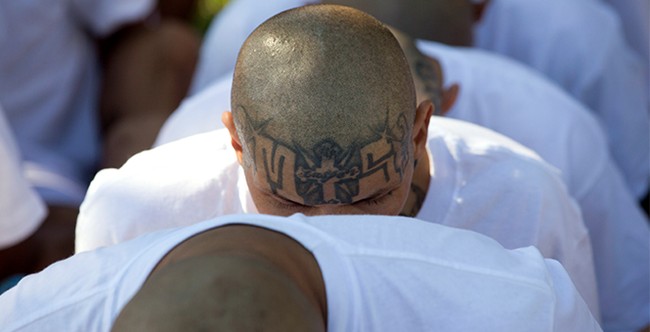
NEW: FBI Arrests Top MS-13 Leader in Virginia; Bondi Blasts Reporter
Favicon 
hotair.com

NEW: FBI Arrests Top MS-13 Leader in Virginia; Bondi Blasts Reporter

NEW: FBI Arrests Top MS-13 Leader in Virginia; Bondi Blasts Reporter
Like
Comment
Share
Hot Air Feed
Hot Air Feed
1 y

Democrats Are Actually Kinda Funny Talking About Signal Flap
Favicon 
hotair.com

Democrats Are Actually Kinda Funny Talking About Signal Flap

Democrats Are Actually Kinda Funny Talking About Signal Flap
Like
Comment
Share
Science Explorer
Science Explorer
1 y

First-Ever Crewed Mission Over Earth's Poles Set To Launch On Monday
Favicon 
www.iflscience.com

First-Ever Crewed Mission Over Earth's Poles Set To Launch On Monday

Crypto investor Chun Wang is leading and funding a mission that has never been done before.
Like
Comment
Share
Strange & Paranormal Files
1 y

Scientists Want to Grow Unconscious Human Bodies for Organ Harvesting
Favicon 
anomalien.com

Scientists Want to Grow Unconscious Human Bodies for Organ Harvesting

The idea of ​​growing artificial body parts and organs is not new and is used in many areas of medicine. However, scientists have recently announced their desire to advance this field by growing entire human-like bodies without a brain. In search of a solution to the acute shortage of human organs for transplantation and research, scientists are looking for unusual solutions that could challenge conventional wisdom and moral norms. In a recent scientific paper, they discussed the concept of creating “bodyoids” — lab-grown human bodies created from pluripotent stem cells. These creatures would be designed in such a way that they would not have consciousness or the ability to feel pain, the study promises, writes Popular Mechanics. Pluripotent stem cells have the remarkable ability to differentiate into any cell type in the human body. Advances in stem cell research have allowed scientists to mimic the early stages of human embryonic development, and advances in artificial womb technology have expanded the possibilities for developing human tissue outside the body, according to their discussion in MIT Technology Review. By using genetic techniques to suppress brain development, the researchers suggest that these “bodyoids” could serve as a renewable source of organs and tissue without the ethical concerns associated with conscious living beings. The ethical issues surrounding the creation of such creatures are complex. While the prospect of creating human bodies without consciousness may seem terrifying to many, proponents argue that the potential medical benefits merit serious consideration. The authors acknowledge that the concept may cause discomfort for a large proportion of people, but stress the importance of finding innovative solutions to alleviate the human suffering that those in need of donor organs endure. This approach is consistent with ongoing research into organoids – miniature, simplified versions of artificially created organs that mimic key functional and structural aspects of real organs. Organoids play an important role in studying development, disease progression, and drug response, offering previously unattainable insights. The creation of “bodyoids” could be a significant leap forward, providing more complete models for medical research and potential therapeutic applications. As the science advances, the dialogue around the creation and use of such donor bodies must evolve in parallel, the scientists say. A thoughtful discussion of the ethical, social, and scientific aspects of this technology is necessary to navigate the challenges and opportunities it presents. “As we proceed, the ethical and social issues are at least as important as the scientific ones,” the authors wrote. “Even if it looks possible, determining whether we should make bodyoids, nonhuman or human, will require considerable thought, discussion, and debate.” The post Scientists Want to Grow Unconscious Human Bodies for Organ Harvesting appeared first on Anomalien.com.
Like
Comment
Share
Showing 60526 out of 127576
  • 60522
  • 60523
  • 60524
  • 60525
  • 60526
  • 60527
  • 60528
  • 60529
  • 60530
  • 60531
  • 60532
  • 60533
  • 60534
  • 60535
  • 60536
  • 60537
  • 60538
  • 60539
  • 60540
  • 60541
Advertisement
Stop Seeing These Ads

Edit Offer

Add tier


Select an image
Delete your tier
Are you sure you want to delete this tier?

Reviews

In order to sell your content and posts, start by creating a few packages. Monetization

Pay By Wallet

Payment Alert

You are about to purchase the items, do you want to proceed?

Request a Refund