YubNub Social YubNub Social
    #astronomy #europe #biology #history #racism #plantbiology #terrorism #trafficsafety #gardening #stopcars #carviolence #carextremism #assaultcar #endcarviolence #notonemore
    Advanced Search
  • Login
  • Register

  • Night mode
  • © 2026 YubNub Social
    About • Directory • Contact Us • Developers • Privacy Policy • Terms of Use • shareasale • FB Webview Detected • Android • Apple iOS • Get Our App

    Select Language

  • English
Night mode toggle
Featured Content
Community
New Posts (Home) ChatBox Popular Posts Reels Game Zone Top PodCasts
Explore
Explore
© 2026 YubNub Social
  • English
About • Directory • Contact Us • Developers • Privacy Policy • Terms of Use • shareasale • FB Webview Detected • Android • Apple iOS • Get Our App
Advertisement
Stop Seeing These Ads

Discover posts

Posts

Users

Pages

Blog

Market

Events

Games

Forum

Living In Faith
Living In Faith
1 y

Benjamin Watson on Revival in College Football
Favicon 
www.thegospelcoalition.org

Benjamin Watson on Revival in College Football

In my work as a historian, I study and write about sports and Christianity in America. My first book is all about the ways that Christians, for more than a century, have been eagerly engaging in sports, seeing it as a mission field and a strategic cultural space where faith in Jesus can be promoted and shared. And yet, this year in college football, something seems different—or at least more intense. It started with the images of baptisms led by Ohio State football players in August. Throughout the season, and especially in the College Football Playoff, players have been going viral for proclaiming their faith. What’s going on with this mini-revival in college football? How should Christians engage with and think about it? There’s no one better to speak into these questions than Benjamin Watson. A former National Football League (NFL) tight end and current college football analyst and Sports Spectrum contributor, Watson is a writer, speaker, and keen observer of American culture who knows what it’s like to be a prominent Christian athlete. I spoke with Watson about what he’s seeing with the infusion of faith in college football, how it relates to his experiences, and what it means for the church. This interview has been edited for clarity and length. Let’s begin with your own faith and football story. How did your identities as a Christian and an athlete intersect as you moved up from high school to college and then to the NFL? My story goes back to my earliest memories. My father played football at the University of Maryland, and football was always part of my life. Growing up, he was on staff with the Fellowship of Christian Athletes (FCA), always in sports ministry in some capacity. I remember going with him to high school chapels when I was a kid, and college and NFL chapels sometimes. There was always this marriage between sports and faith. I never saw the two as being separate or in different silos. I saw the convergence. We don’t carry faith with us into sport. Our faith transforms us from the inside out. And so wherever we go, we bring the Spirit of God with us. Christ is in us. It’s not like I have to figure out how to work my faith into my sport. That’s just who I am. I’m a new creation who loves to play basketball, to play football, or whatever it is. It’s not like I have to figure out how to work my faith into my sport. That’s just who I am. At my high school in South Carolina, I was president of FCA and then went to college at Duke for a year, where they had AIA [Athletes in Action]. And then I got to Georgia where FCA was the big thing. I can’t even point to a time when sports and faith weren’t together. It was always part and parcel. It seems to me that we so often focus on the public proclamations—you know, athletes thanking their Lord and Savior Jesus Christ after the game. But my sense is that faith really takes root for athletes in the ordinary parts of life, away from the flashing lights. How did your faith speak to those everyday needs and concerns you faced in football? The apostle Paul told Timothy, “Watch your life and your doctrine closely” (1 Tim. 4:16, NIV). It’s exciting when people hear athletes proclaim Christ’s name. But the true measure inside the locker room is how athletes live, whether they are authentic. Specifically when it comes to how my faith gave me perspective in college or pro sports, there is a tremendous amount of pressure, expectation, and identity wrapped up in performance. I’m the oldest of six kids. I’m the son of a pastor. Perfectionism has been my Achilles’ heel for my entire life. I’ve always felt like I couldn’t do enough, or I wasn’t good enough. But faith has given me a perspective of grace. It’s given me a perspective in injuries and wins and losses that says this isn’t the end of the world, that there is more to life. You can get so consumed with the sport and the accolades and the approval that your identity gets so wrapped up in it. And then also, later in my career, once I started getting older, I started feeling like, “Lord, if you give me another year, I really want to be on a mission.” I wanted to have a listening ear for a guy who’s struggling with being a dad for the first time, or I wanted to lead Bible studies, even though it’s uncomfortable. Probably my fondest memory in sports was in 2015, baptizing two of my teammates in the training room rehab pool at the New Orleans Saints facility. Trust in the Lord gave me purpose. You realize that you’re only going to be in that position for so many years before God moves you somewhere else. You mentioned being an example for younger players. During your time in college and pro football, were there prominent Christian players who inspired you? Who did you look up to as models and examples of the Christian faith? For me growing up, I looked at guys like Darrell Green. I looked at guys like Aeneas Williams or Kurt Warner, who were open about their faith. I wanted to be like them in football. Faith has given me a perspective of grace. It’s given me a perspective in injuries and wins and losses that says this isn’t the end of the world, that there is more to life. Once I got in the NFL, drafted by the Patriots in 2004, it was a guy named Don Davis. He’s on staff with the NFL Players Association right now, but he was a linebacker back then. And Don was kind of our default chaplain in New England. We had a chaplain, but Coach Belichick wasn’t letting them in the building very much. Don’s story was totally different from mine from a faith aspect, the way he grew up. But I saw somebody who embraced his role as an athlete and also as a minister within the locker room. When he left, I kind of filled that role because I saw it demonstrated to me. And then when I left, Matthew Slater filled that role and has done it to the nth degree for a long time with the Patriots. And so there were always people in the locker room who sharpened me. But they also challenged me to be the next. And that’s what discipleship is all about. Speaking of the ‘next’: In college football this year, we have young players talking about Jesus after games and going viral for it. As you’ve watched this play out, what examples stand out to you? Are there a couple moments that have really gotten you excited as a follower of Jesus? I think it was Jahdae Barron, a cornerback for Texas. It was after the game they lost. And they’re sitting up there doing a press conference, and after it was done, he wanted to say one more thing. And so he talked about his relationship with the Lord. Thanked the people for following the team. Just a really classy statement. I think it’s even more influential in losses. Not that God can’t use the wins and not that we aren’t thankful in the wins. I loved coming together on the 50 yard line to pray after a win, like, “Yes, thank you God.” But when you have that same consistent testimony, it’s often even more influential when there’s been disappointment. So I’m encouraged, but I’m also prayerful. I think that the message for believers is to celebrate and encourage the young guys and imagine the influence that they have, but also be praying for these young men. I saw the Ohio State videos where guys were getting baptized. Hopefully they have that brotherhood because we know the importance of brotherhood in the Christian life. And also be praying for chaplains and those who are spiritual leaders on campus, to disciple them. The biggest fear I always had was, as a believer, that you’re going to do something or say something that ruins your witness on a massive scale. And that’s a humbling fear. We’re all going to fall short at some point in some way. But we also want to pray for each other that our profession is evidence of deeper commitment. In academic spaces, I often run into people who don’t get as excited about these outspoken Christian athletes. They tend to take a more critical tone or to play the theology police a little bit. How do you navigate that? Should we be concerned about bad theology that might be expressed from Christian athletes? For example, if a player shares something that suggests a prosperity gospel viewpoint—how should we respond? Well, that’s why I say we have to be in prayer that brothers would be willing to critique, to speak truth in love to athletes. And that comes through relationship. What happens a lot of times is that an athlete says, “I love Jesus.” And then the next thing you know, every single Christian organization on campus and around campus wants you to come speak. It doesn’t matter if you just became Christian yesterday or two days ago or if you just say it because that’s what people say culturally. This is what people do in America sometimes. They think, Man, if that person says something about Jesus, then God will use that to save everybody. Maybe or maybe not, because a lot of people have been hurt by those who have professed Christ on a large scale. It’s been shallow and inconsistent, and there have been charlatans. And so I think that number one, you need grace for people and to understand that there’s been a lot of bad theology we’ve all thought in our lives at times. We’re not all at the same maturity level. Part of becoming more mature as a believer is in your own personal practice but also the helpful and loving critique of others. So what do you say to the guy? You help him along, you comment on what he’s saying, and you faithfully and lovingly address it—but in the sense of growing him up in faith and not cutting him down. I think that too many times we might be too harsh, chastising people. And it’s more about our own skepticism than it is about serving others. Circling back to this year in college football, we’ve already talked about all these expressions of faith going viral. What do you make of what’s going on? Do you think there’s something new or different, or that this is tapping into something unique about our cultural moment? I do see it as different, particularly because this is a different age from a technology standpoint. Studies continually show that young people now are facing different challenges when it comes to identity and comparison and loneliness, all those sorts of things. We’re more disconnected and connected at the same time than we’ve ever been before. And so I think that the way we’re able to hear and consume so much information is different. Every generation has its certain cultural moment, with different ways the Spirit of God moves. He’s moving in college campuses right now, and he’s moving in different ways in Asia, Africa, Europe, and South America. And he’s moved in different ways across time. But he’s always been moving. I think our biggest thing is to encourage and disciple and do all the things that he tells us in Matthew 28—continue to do those things for this moment. God has moved in different ways across time. But he’s always been moving. I also think athletes in the NIL [Name, Image, Likeness] era have found and captured their own voices in a way that has been different from my generation. These athletes have their own podcasts, they have their own social media channels. They feel OK being themselves and not conforming to what’s expected of them. They understand their own power economically in ways that we didn’t when we were in college. And they also understand their own power to use their voices. I think that that feeds into them saying, “You know, it’s OK if I say that I’m playing ball and that the Lord put me here.” One more question: What should Christians keep in mind as they watch and root for these players? What final thought or word do you have to share? For believers, as you watch these games and as you hear athletes proclaim Christ, pray for them. Pray specifically that God would protect them physically and mature them spiritually, that the seed that they’re excited about doesn’t get snatched away but that it grows deep roots and bears fruit. And then also see their example as a point of encouragement. Ask the Lord, “How should I be talking about my faith with my coworkers?” Most people don’t have a huge microphone to talk to millions of people. Fine. You go to work and you’re around 10 people. Do those people even know that you love the Lord? Do they even know that you read the Bible? Let’s be a little introspective in how we’re living and how we’re evangelizing at our workplaces.

Like
Comment
Share
Living In Faith
Living In Faith
1 y

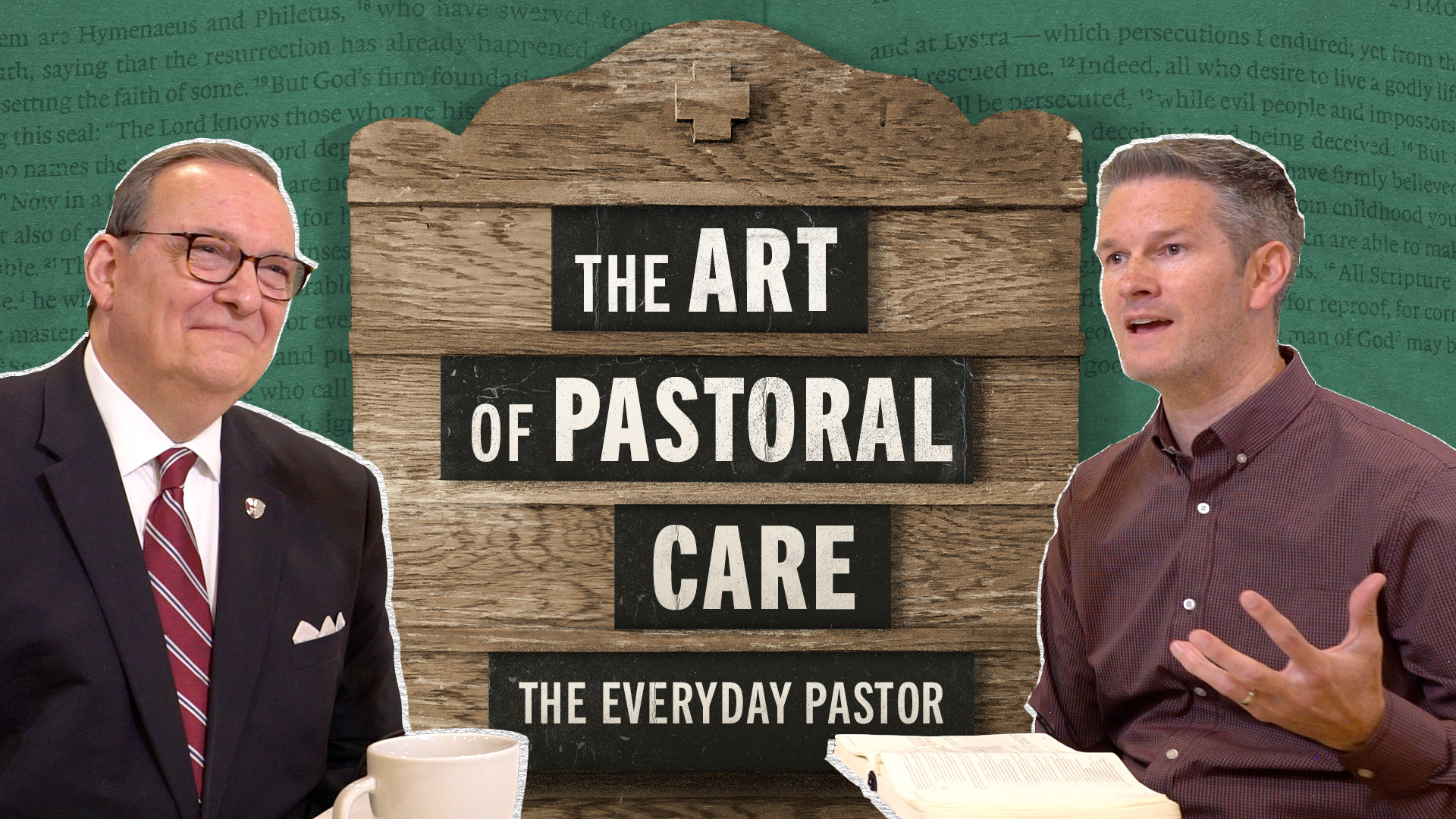
The Art of Pastoral Care
Favicon 
www.thegospelcoalition.org

The Art of Pastoral Care

Pastoral ministry is far more than preaching. Pastors are fundamentally shepherds, which means we’re called to care for particular sheep. How can we do that well? In this episode of The Everyday Pastor, Matt Smethurst and Ligon Duncan consider specific ways pastors can care for their congregations. Recommended resources: Love to Christ: Robert Murray M’Cheyne and the Pursuit of Holiness edited by Jordan Stone A Communion of Love: The Christ-Centered Spirituality of Robert Murray M’Cheyne by Jordan Stone A Holy Minister: The Life and Spiritual Legacy of Robert Murray M’Cheyne by Jordan Stone
Like
Comment
Share
Classic Rock Lovers
Classic Rock Lovers  
1 y

Favicon 
www.classicrockhistory.com

Complete List Of Carrie Underwood Songs From A to Z

Carrie Underwood emerged as one of country music’s brightest stars following her victory on the fourth season of American Idol in 2005. Born in Muskogee, Oklahoma, and raised in Checotah, her powerhouse vocals and down-to-earth charm quickly resonated with audiences worldwide. Underwood’s debut album, Some Hearts, became the best-selling solo female debut in country music history, spawning hits like “Jesus, Take the Wheel” and “Before He Cheats.” She has released multiple critically acclaimed albums, including Carnival Ride, Blown Away, and Cry Pretty, each showcasing her growth as an artist and songwriter. Over the years, Underwood has earned numerous accolades, including The post Complete List Of Carrie Underwood Songs From A to Z appeared first on ClassicRockHistory.com.
Like
Comment
Share
Homesteaders Haven
Homesteaders Haven
1 y

Small Kitchen Upgrades: Big Results Without the Major Renovatio
Favicon 
homesteading.com

Small Kitchen Upgrades: Big Results Without the Major Renovatio

Having a small kitchen doesn’t mean sacrificing style or convenience. With smart updates, you can maximize the potential of your space without the need for major renovations. They’re easy to implement and deliver quick results you’ll love. Small Kitchen, Big Potential Your kitchen may be small, but it holds endless possibilities for upgrades that enhance both style and functionality. From simple design changes to clever storage solutions, discover creative ideas that help transform your space into the kitchen of your dreams. Brighten the Room with Fresh Paint Paint can transform your kitchen. Light shades like soft gray or creamy white make the room feel larger and airier. Add an accent wall in a deep green or navy blue for more contrast. This creates depth without overwhelming the space. Peel-and-stick backsplashes also work wonders. These adhesive tiles are available in designs like subway or Moroccan patterns. They’re a budget-friendly way to add texture or color. Pro Tip: Clean walls thoroughly before painting or applying a backsplash. This ensures a smooth finish that lasts. Replace Cabinet Hardware New hardware makes an instant difference. Swap outdated knobs and pulls with modern finishes like matte black or brushed gold. These small changes can give your kitchen a polished, contemporary look. Mixing knobs for cabinets and longer pulls for drawers creates variety. It also adds a customized, designer feel to your space. Tip: Pair updated hardware with freshly painted cabinets for an even bigger impact. Improve Your Kitchen Lighting Good lighting enhances both function and atmosphere. Replace old fixtures with pendant lights, LED track lighting, or slim flush mounts. These upgrades brighten the space and add personality. Under-cabinet LED strips are a practical addition. They illuminate countertops, which make cooking and prep work easier. Plus, they create a soft glow in the evening. Resource: Learn about energy-efficient lighting at Energy Star. Declutter Your Countertops Countertop space is precious in a small kitchen. Start by removing items you don’t use daily. Store these in cabinets to free up space for cooking and other tasks. Next, add simple yet practical decor. A small tray with olive oil, salt, and pepper keeps essentials organized. A vase of flowers or a bowl of lemons adds color without cluttering the space. Quick Win: Install magnetic strips for knives or wall-mounted racks for utensils. These free up even more counter space. Add Greenery Plants can refresh any kitchen. Small pots of herbs like basil or parsley look beautiful and are useful for cooking. Hang planters or mount them on walls to save counter space. If maintaining real plants isn’t feasible, consider high-quality faux greenery. It provides the same visual benefits with no upkeep. Fun Fact: NASA’s Clean Air Study highlights how indoor plants improve air quality. Learn more here. Refresh Your Dining Nook Your dining area deserves attention too. Lightweight, stackable chairs save space and improve movement. For definition, place a durable rug under the table. Keep table decor minimal. A bowl of fruit or a small plant creates visual interest without feeling cluttered. Pro Tip: Use foldable furniture if space is tight. It’s practical and easy to store. Maximize Storage Storage is vital in small kitchens. Display pantry staples in clear jars for a tidy, attractive look. Floating shelves also work well for displaying mugs, dishes, or cookbooks. Woven baskets or matching bins are ideal for items you’d rather keep hidden. Use hooks under cabinets to hang mugs or small pans to free up shelf space. Tip: Vertical storage solutions, like pegboards, optimize wall space efficiently. Upgrade Small Appliances Outdated or bulky appliances make a small kitchen feel cramped. Choose compact, sleek models in finishes like stainless steel or bright hues that match your decor. If buying new appliances isn’t possible, clean and polish your current ones. This refreshes their look and helps the kitchen feel updated. Add Textiles Textiles soften your kitchen and add character. A vibrant, washable runner can protect floors and add a pop of color. Curtains or Roman shades frame windows and let in natural light. Even upgrading dish towels with fresh patterns or matching colors enhances your kitchen’s look. Small Kitchen Upgrades That Matter Thoughtful updates can make even the smallest kitchen feel efficient and stylish. With changes like fresh paint, updated lighting, and decluttered counters, you’ll create a functional and visually appealing space. Adding plants, optimizing storage, and choosing sleek appliances are simple ways to elevate your kitchen further. These small kitchen upgrades prove that big changes don’t always require big budgets. Start small, and watch your kitchen become your favorite space. Share Your Thoughts! What’s your favorite small kitchen upgrade? Have you tried any of these tips? Share your ideas and experiences in the comments below! Frequently Asked Questions What are the easiest small kitchen upgrades? Repainting walls, replacing cabinet hardware, and decluttering countertops are the quickest and easiest changes to make. How do I make my small kitchen look larger? Use light-colored paint, optimize lighting, and keep counters clutter-free. Glossy surfaces, like backsplashes, also reflect light and create the illusion of space. Are peel-and-stick backsplashes durable? Yes, they’re water-resistant and easy to maintain, making them perfect for renters or budget-friendly upgrades. What lighting works best in small kitchens? Under-cabinet lights, pendants, and flush-mounted LEDs are great choices. Use warm tones for ambiance and cool tones for tasks. How do I add storage to a small kitchen? Install floating shelves, use clear jars for pantry staples, and hang mugs or pans with hooks under cabinets. Can I update appliances without replacing them? Yes, clean and polish your existing appliances to make them look newer. You can also replace handles or covers. What colors work best in small kitchens? Light neutrals like white or beige open up the space. Bold accents, like navy or forest green, add depth. What are the benefits of adding plants to my kitchen? Plants add life and purify the air. Herbs like basil or thyme are functional and easy to maintain. How much do small kitchen upgrades cost? Many updates, like painting or changing hardware, can be done for under $100. Larger projects vary depending on materials and complexity. What’s the best way to organize a small kitchen? Group items by use, store infrequently used tools in cabinets, and clear countertops. Use vertical storage to maximize wall space.
Like
Comment
Share
History Traveler
History Traveler
1 y

1,500 painted blocks from Hatshepsut’s temple found
Favicon 
www.thehistoryblog.com

1,500 painted blocks from Hatshepsut’s temple found

Archaeologists have uncovered approximately 1,500 richly-decorated stone blocks that were once part of the Valley Temple of 18th Dynasty pharaoh Queen Hatshepsut. They unearthed near the causeway of her grand mortuary temple at Deir El-Bahari in Luxor, Egypt. The polychrome paint on the blocks is still bright and the reliefs and carvings in excellent condition. Queen Hatshepsut ruled from 1479 to 1458 B.C., one of only a handful of female pharaohs known, and ascended the throne after the death of her husband Thutmose II. She was supposed to be acting as regent for her stepson, the child Thutmose III, until he came of age, but after a few years, she declared herself pharaoh. She conveyed her power in portraiture, depicting herself with the customary pharaonic false beard and with the musculature and bare chest of a male pharaoh. She was an effective monarch, investing in public works and infrastructure, and her architectural bent reached its pinnacle with the construction of her enormous mortuary temple at Deir el-Bahri. The temple was built at the base of limestone cliffs on the east side of the Valley of the Kings and features terraced colonnades, pools, gardens and more than 100 colossal statues as much as ten feet high, of Hatshepsut. Thutmose III was in his 20s when she died and he finally took the throne. Two decades later, he decided to erase her from history, to eliminate the evidence of her kingship and therefore of the gap between his father’s rule and his own. He ordered the destruction of her monuments, defacement of her portraits and the cartouches of her name. The colossal statues of her temple was smashed to smithereens. The main temple complex, which also contained the remains of Hatshepsut’s father Thutmose I, survived and is today the most remarkable structure in the Valley of the Kings, but her Valley Temple, which was entrance to the funerary complex, was demolished. The archaeological excavation at the site unearthed its foundations. Tarek El Awady, deputy director of the Egyptian archaeological mission, elaborated on the team’s notable discoveries. These include discovering the foundational remains of Queen Hatshepsut’s Valley Temple, which once served as the grand entrance to the queen’s funerary complex, and more than 1,000 intricately decorated blocks and fragments with rare bas-reliefs and inscriptions showcasing the artistic mastery of the reigns of Hatshepsut and her successor, Thutmose III. Other findings include over 100 limestone and quartzite tablets inscribed with Queen Hatshepsut’s cartouches and a unique tablet naming Senmut, her renowned architect. El Awady added that the intact foundation deposits, which he described as unmatched since Herbert L. Winlock’s excavations a century ago, offer invaluable insights into the temple’s construction and the queen’s legacy.
Like
Comment
Share
YubNub News
YubNub News
1 y

US Racing Against Time to Reclaim Supply Chain From China: Former Commerce Official
Favicon 
yubnub.news

US Racing Against Time to Reclaim Supply Chain From China: Former Commerce Official

‘Imagine a U.S. economy with zero manufacturing,’ warns former Trump official Nazak Nikakhtar, after China announced export control on industrial diamonds.WASHINGTON—A former Department of Commerce…
Like
Comment
Share
YubNub News
YubNub News
1 y

US Racing Against Time to Reclaim Supply Chain From China: Former Commerce Official
Favicon 
yubnub.news

US Racing Against Time to Reclaim Supply Chain From China: Former Commerce Official

‘Imagine a U.S. economy with zero manufacturing,’ warns former Trump official Nazak Nikakhtar, after China announced export control on industrial diamonds.WASHINGTON—A former Department of Commerce…
Like
Comment
Share
YubNub News
YubNub News
1 y

Medvedev Hit With Huge 6-Figure Fine at Australian Open
Favicon 
yubnub.news

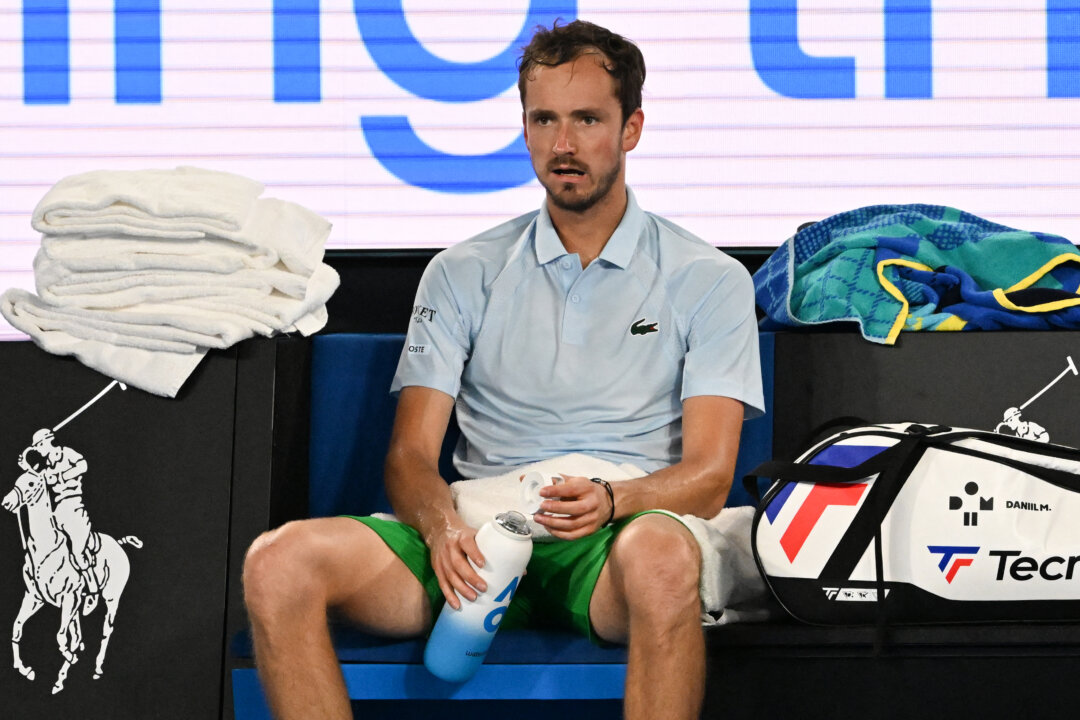
Medvedev Hit With Huge 6-Figure Fine at Australian Open

Russian firebrand Daniil Medvedev has been fined more than $100,000 for destroying an on-court camera and other equipment during his ill-fated, racquet-smashing Australian Open campaign.The three-time…
Like
Comment
Share
YubNub News
YubNub News
1 y

As Trump Takes the Wheel, Big Corporations Extricate From DEI, Climate Programs
Favicon 
yubnub.news

As Trump Takes the Wheel, Big Corporations Extricate From DEI, Climate Programs

After years of applying the progressive environmental, social, and governance (ESG) ideological framework to their corporations, executives appear to now be realizing that these programs could be driving…
Like
Comment
Share
YubNub News
YubNub News
1 y

Millions Across the US Brace for Plummeting Temperatures and Winter Storms
Favicon 
yubnub.news

Millions Across the US Brace for Plummeting Temperatures and Winter Storms

BOSTON—Residents across the country from the Northern Plains to the tip of Maine are bracing for dangerously low temperatures as tens of millions of residents along the East Coast contend with a thick…
Like
Comment
Share
Showing 63273 out of 121357
  • 63269
  • 63270
  • 63271
  • 63272
  • 63273
  • 63274
  • 63275
  • 63276
  • 63277
  • 63278
  • 63279
  • 63280
  • 63281
  • 63282
  • 63283
  • 63284
  • 63285
  • 63286
  • 63287
  • 63288
Advertisement
Stop Seeing These Ads

Edit Offer

Add tier


Select an image
Delete your tier
Are you sure you want to delete this tier?

Reviews

In order to sell your content and posts, start by creating a few packages. Monetization

Pay By Wallet

Payment Alert

You are about to purchase the items, do you want to proceed?

Request a Refund