YubNub Social YubNub Social
    #freedom #libtards #terrorism #patriots #antifa #privacy #americafirst #loonyleft #surveillancestate #police\ #alpr #flock #foundingfathers #patriotichistory #wethepeople
    Advanced Search
  • Login
  • Register

  • Night mode
  • © 2026 YubNub Social
    About • Directory • Contact Us • Developers • Privacy Policy • Terms of Use • shareasale • FB Webview Detected • Android • Apple iOS • Get Our App

    Select Language

  • English
Community
New Posts (Home) ChatBox Popular Posts Reels Game Zone Top PodCasts
Explore
Explore
© 2026 YubNub Social
  • English
About • Directory • Contact Us • Developers • Privacy Policy • Terms of Use • shareasale • FB Webview Detected • Android • Apple iOS • Get Our App
Advertisement
Stop Seeing These Ads

Discover posts

Posts

Users

Pages

Blog

Market

Events

Games

Forum

Hot Air Feed
Hot Air Feed
5 w

Sunday's Final Word
Favicon 
hotair.com

Sunday's Final Word

Sunday's Final Word
Like
Comment
Share
NewsBusters Feed
NewsBusters Feed
5 w

MEMORIAL DAY: Margaret Brennan Tries to Get Medal of Honor Recipients to Bash America, is SCHOOLED
Favicon 
www.newsbusters.org

MEMORIAL DAY: Margaret Brennan Tries to Get Medal of Honor Recipients to Bash America, is SCHOOLED

The Elitist Media don’t often pass up on an opportunity to convey their disappointment in the American people, which is part of what makes them the Elitist Media. Memorial Day is no different, as CBS’s Margaret Brennan closes out an interview of two Medal of Honor recipients by trying to get them to bash America. But our heroes rebuff this weak enticement, and instead offer a glimpse of the kind of character our nation needs to see more of: WATCH: CBS's Margaret Brennan tries to goad two Medal of Honor recipients into bashing America, gets rebuffed MARGARET BRENNAN: And before I let you go, we are coming up on this 250th anniversary of the American experience. I know I can't ask you a question like, are you… pic.twitter.com/X24S8YWmmc — Jorge Bonilla (@BonillaJL) May 24, 2026 MARGARET BRENNAN: And before I let you go, we are coming up on this 250th anniversary of the American experience. I know I can't ask you a question like, are you optimistic? There's no way that two Medal of Honor winners could say they're not optimistic. So what specifically makes you optimistic? Because this country, at times, can feel dark, these days, there's a lot of darkness. What makes you feel optimistic? WILL SWENSON: Well, ultimately, because we're in Washington, D.C., and everything revolves around politics, we have to remember that politics aren't everything. American lives continue on. Children are born, children go to school. Lives are achieved. Dreams are achieved. This country is a great place. It's not politics. It's not just what's the news bites coming off of media. Ultimately, we continue forward as a country, continually imperfect, continually evolving forward, always trying to achieve a more perfect union. That's what's important to remember, what we can achieve aspirationally. No other place in history, time or on this planet have ever gotten to where we are today. We need to be proud of that, and we need to remember that is what we stay focused on, what we can be.  BRENNAN: What we can be, and the promise of it. What makes you optimistic? MATT WILLIAMS: You know, I agree with Will. I think, you know, it's- it's so important to remember who we are as a country, and take an opportunity to celebrate that, and think about all the- the challenges that we've overcome, how far we've actually come. You know, I think if you- if you frame it that way, you think very deeply about our trials and tribulations from beginning to today, we've made tremendous strides. Our country is, you know, we're a super- global superpower. Our economy is doing well. All those things are great. And- and take politics aside out of this whole conversation. Just talk about our communities, that- that we live in, and the people that you surround yourself with, and your families, and the opportunity to be free and, you know, choose what school you go to, and where you want to live and do what you want to do, and what career path you go down or don't if you want to, you know, I mean, there's so much to be positive about. And I think the opportunity to celebrate America's 250th birthday, you know, over the course of this next year is- is amazing. There's so many great places to visit. You know, the National Mall is going to be full of Americana. And what we're going to- celebrating ourselves, which I think we should take the time to do. I think it's very important. You know, across the country, you know something we're very passionate about at the National Medal of Honor Museum in Arlington, Texas, is- is a- is a phenomenal beacon that stands to- to talk about and house our, not only our story, the story of the Medal, and what the Medal represents itself. And I would challenge people to go there and celebrate our history as well. You know, it's so important. There's so many great things to go do and great things to visit and don't just take part in it, because it's something to do on a weekend, right? Think about why you're doing it, and when you're there in the crowds and you're- you're enjoying yourself, and you're taking your family to go talk about our country and celebrate our country, actually celebrate it. Be grateful for what you've got and the opportunity that was provided for you. If you do that, I don't see how you can't be optimistic about our future. BRENNAN: Well, thank you. Thank you both, and thank you for your service. WILLIAMS: Thank you. BRENNAN: We'll be back. “Politics aren’t everything,” isn’t that the truth. Much-needed perspective from Lt. Colonel (RET) Will Swenson, who instead appealed to the greatness of our country. Swenson gave a powerful reminder that, warts and all, America is the greatest country in the world. Command Sergeant Major (RET) Matthew Williams offered an equally eloquent response, reinforcing the idea of America as a land of opportunity and freedom. Likewise, Williams made a call to celebrate our nation’s history. America has always seen her fair share of turbulence, going back to the Founding. And at each and every stage of our history, there have been heroes that have stepped up above and beyond the call of duty. Some, as noted by President Abraham Lincoln at Gettysburg, giving “their last full measure of devotion” to the defense and preservation of our fundamental freedoms.  Brennan’s evocation of dark times fails to take this into account, which is why it was so dissonant. Our patriots were right to shut it down.  
Like
Comment
Share
Classic Rock Lovers
Classic Rock Lovers  
5 w

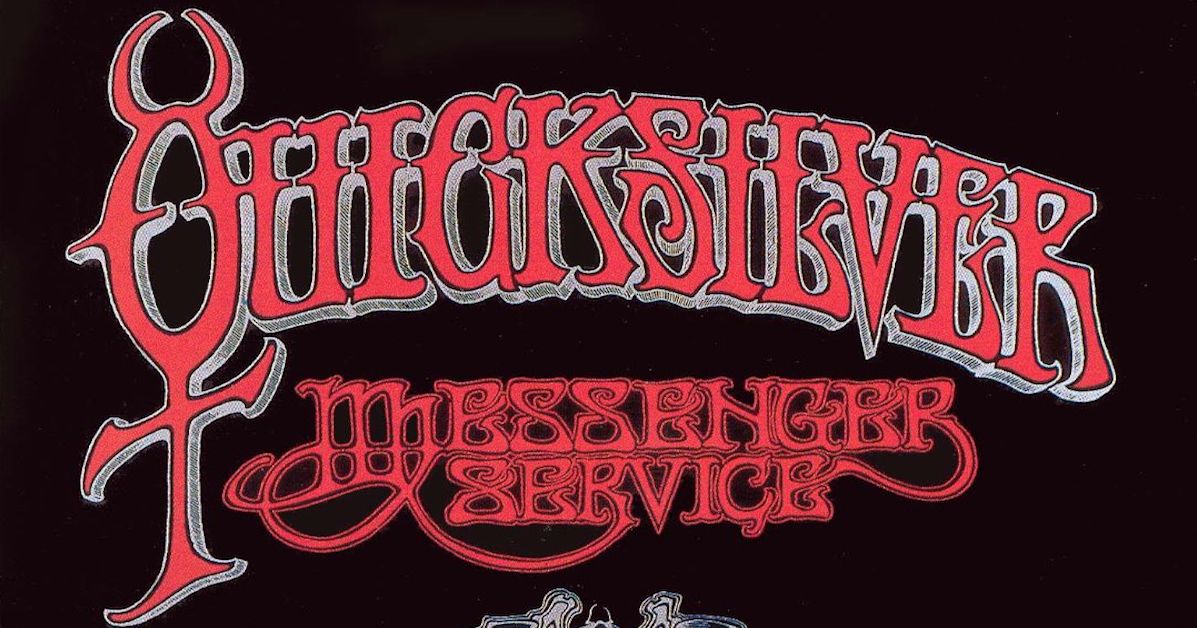
The Shining Debut of Quicksilver Messenger Service
Favicon 
bestclassicbands.com

The Shining Debut of Quicksilver Messenger Service

Years of playing and professionalism produced one of the era’s best records, whose sheer musicality shines as brightly today. The post The Shining Debut of Quicksilver Messenger Service appeared first on Best Classic Bands.
Like
Comment
Share
History Traveler
History Traveler
5 w

The True Story Of Rudy Ruettiger, The Notre Dame Football Legend Behind ‘Rudy’
Favicon 
allthatsinteresting.com

The True Story Of Rudy Ruettiger, The Notre Dame Football Legend Behind ‘Rudy’

Taro Yamasaki/The LIFE Images Collection/Getty ImagesRudy Ruettiger in the stands at Notre Dame in 1993 to promote Rudy, the film based on his story. The crowd at Notre Dame went wild. On the field, a 5’6″ defensive end had just sacked the opposing quarterback — resulting in a thrilling victory for the Fighting Irish. At least, that’s how the film about Rudy Ruettiger’s unlikely college football career ends. But what’s the true story behind the classic 1993 sports film Rudy? The real-life Rudy Ruettiger had long aspired to play football for the University of Notre Dame. The Fighting Irish was the favorite team of his father, a miner who respected hard work. As chronicled in Rudy, Ruettiger struggled to overcome financial and physical hurdles in pursuit of his goal. Because of his dyslexia and small frame, acceptance into the University of Notre Dame seemed like a lofty dream. But in real life, just as in the movie, Rudy Ruettiger never gave up. He studied hard and displayed intense dedication. In the end, this poor boy from the outskirts of Chicago became a Notre Dame legend and a compelling motivational speaker and author once his days on the gridiron were done. This is the true story of Rudy Ruettiger and the real-life heroics behind Rudy. Rudy Ruettiger’s Dream Of Playing Football At Notre Dame RUDY International / FacebookRudy Ruettiger (bottom right) as a schoolboy in Joliet, Illinois. Born on August 23, 1948, in Joliet, Illinois, Daniel Eugene Ruettiger grew up in a lower-middle-class family on the outskirts of Chicago. The third of 14 children, he learned to love football from his father, a hardworking miner. His family’s weekly gatherings around the television to watch Notre Dame football not only marked a bright spot in Ruettiger’s childhood but also birthed his lifelong dream to join the team. At Joliet Catholic High School, Ruettiger was a poor student but a promising athlete. He was a terrific cornerback during his junior and senior seasons, garnering more tackles than anyone on his team. Despite weighing a scrawny 165 pounds, his high school success made him even more determined to play for Notre Dame. An interview with Rudy Ruettiger. However, Ruettiger’s five-foot-six-inch frame and yet-undiagnosed dyslexia created physical and academic hurdles. After he graduated high school, his football dreams felt entirely out of reach. Instead, Ruettiger enlisted in the United States Navy in 1968. He served two tours at sea during the Vietnam War. Returning home with his newfound G.I. Bill benefits, Ruettiger successfully enrolled at Indiana’s Holy Cross College in 1972. There, Ruettiger learned that if he got all A’s, he could try to transfer to Notre Dame after four semesters. That’s what he did. Officially diagnosed with dyslexia, Ruettiger worked hard toward his goal. He studied to improve his grades and worked a groundskeeper job on the nearby Notre Dame campus. From his spare room in the basketball arena, he continuously applied to get in. After three disheartening rejections, Rudy Ruettiger was accepted in 1974 and became an official Notre Dame man. The True Story Behind The Beloved Film Rudy Rudy Ruettiger’s life at Notre Dame would be well-documented in the uplifting 1993 Hollywood hit Rudy and complemented by his 2012 autobiography, Rudy: My Story. But Ruettiger’s success was hard-won. Once he was accepted to Notre Dame, it took tremendous effort for Ruettiger to even get accepted onto the Notre Dame scout team, which helps the varsity team practice. Coaches took notice. Notre Dame head coach Ara Parseghian not only encouraged walk-on players like Ruettiger but was well aware that sheer will can often triumph over lack of experience. A clip from Rudy showing Coach Fortune, who was based on Coach Merv Johnson, teaching Rudy a lesson. And Coach Merv Johnson proved essential in coaching Rudy Ruettiger from fledgling scout member to an official part of the team. During Ruettiger’s last few months as a student in his senior year the new head coach, Dan Devine, gave him a chance to shine. Although Parseghian had promised Ruettiger an opportunity to play on the field, the coach stepped down after the 1974 season. His replacement, Devine had made no such promise. But he understood how much it would mean to Ruettiger. On November 8, 1975, as Notre Dame battled Georgia Tech, Devine told Ruettiger to get ready. It was the first and last time that he would step onto the field during an official game. At first, Ruettiger failed to tackle quarterback Rudy Allen — but then rammed him to the ground during the very final play. Notre Dame/Collegiate Images/Getty ImagesRudy Ruettiger (#45) being carried off the field at Notre Dame Stadium in South Bend, Indiana. The crowds roared as Ruettiger’s teammates carried him off the field on their shoulders. Not only had Rudy Ruettiger’s dreams been realized — but he’d become a Notre Dame legend. And Hollywood took notice. According to Ruettiger himself, the movie (in which he appears as a fan during the last scene) was 92 percent accurate. Notre DameAfter Rudy Ruettiger tackled the opposing quarterback on November 8, 1975, his teammates lifted him onto their shoulders and carried him off the field. Rudy Ruettiger’s Life As An Author And Speaker After Notre Dame After cementing his legend at Notre Dame, Ruettiger went on to launch a successful career as a motivational speaker, author, and owner of Rudy Beverage, Inc. However, Ruettiger was charged with securities fraud in 2011 for an alleged pump-and-dump scheme. He later admitted that greed led him down the path of crime, which he regretted. RUDY International / FacebookRudy Ruettiger and Sean Astin, star of the film Rudy, in 2021. Ultimately, however, Rudy Ruettiger remains a beloved icon of determination and triumph to this day. He has been awarded honorary degrees from several universities, given the key to the city by numerous municipalities across the country, and was recognized by presidents Bill Clinton and George W. Bush, and even given the chance to speak at the White House. From his boyhood in Illinois to his heroics at Notre Dame to his speeches at the White House, Rudy Ruettiger has inspired countless people around the world and shows no signs of slowing down. After learning about Rudy Ruettiger, read the true stories behind other real-life heroes featured in classic sports movies, like Frank Dux from Bloodsport and James J. Braddock from Cinderella Man. The post The True Story Of Rudy Ruettiger, The Notre Dame Football Legend Behind ‘Rudy’ appeared first on All That's Interesting.
Like
Comment
Share
History Traveler
History Traveler
5 w

The Disturbing Story Of The Menendez Brothers And How They Killed Their Own Parents In A ‘Gangland-Style’ Murder
Favicon 
allthatsinteresting.com

The Disturbing Story Of The Menendez Brothers And How They Killed Their Own Parents In A ‘Gangland-Style’ Murder

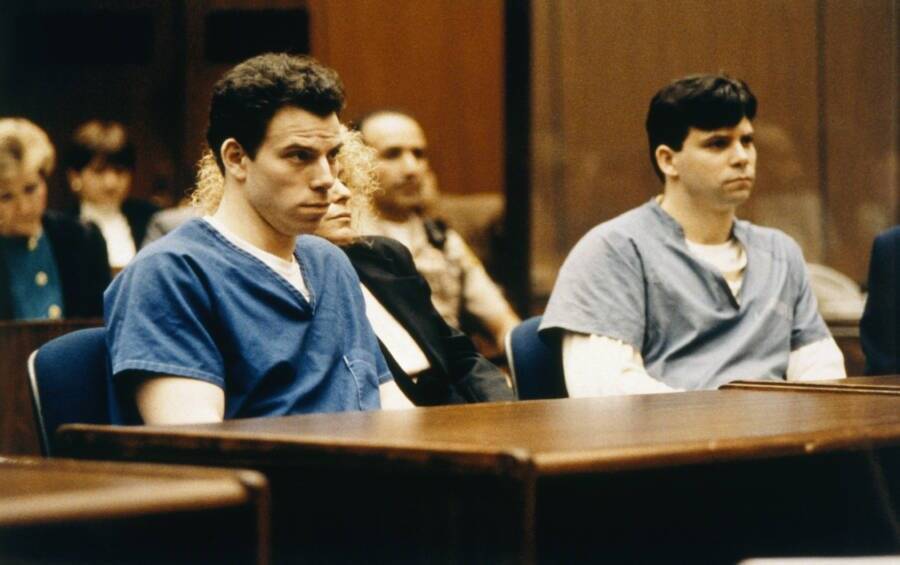
Ted Soqui/Sygma via Getty ImagesThe Menendez brothers, Erik and Lyle Menendez, pictured in court in 1994. When Jose and Kitty Menendez were killed in Beverly Hills on a summer night in 1989, their violent deaths shocked Los Angeles. But their murder was just the beginning. Before long, the blame for their slaying was pinned on their sons, 21-year-old Lyle and 18-year-old Erik, and the story of the Menendez brothers would soon captivate America. In a trial filled with twists and turns — which played out on the nascent Court TV — Lyle and Erik admitted to murdering both of their parents on August 20, 1989. They denied, however, that they’d killed their parents merely to inherit their millions. Instead, Lyle and Erik claimed that they’d killed Jose and Kitty after years of constant emotional, physical, and sexual abuse. As a transfixed nation watched, Lyle and Erik Menendez described years of alleged maltreatment at the hands of their mother and father. The Menendez brothers sobbed on the stand, gave graphic descriptions of molestation and incest, and offered anecdotes of their father’s cruel personality. This is the story of the Menendez brothers and the murder of their parents. The Menendez Brothers’ Privileged Upbringing Brian AndersenErik and Lyle Menendez with their father, Jose, in an undated family photo. As children, Lyle and Erik Menendez seemed to have it all. Born in 1968 and 1970, respectively, the two boys grew up in a wealthy New Jersey suburb with their parents, Jose, a self-made Cuban immigrant, and Kitty, a former beauty queen. But the Menendez brothers later claimed that their picture-perfect childhood was all a facade — which hid some extremely dark truths. Their father, who had climbed his way from washing dishes to becoming a successful entertainment executive, pushed both Lyle and Erik hard. According to the Los Angeles Times, Jose wanted his boys to be tennis stars and even hired private coaches for lessons. He demanded excellence from both his sons and their coaches, one of whom quit in frustration. Jose was intense off the tennis courts, too. The Los Angeles Times reports that he expected his sons to be able to hold conversations about topics like international politics, and sometimes gave them hours-long lectures. What’s more, the Menendez brothers also later claimed that Jose sexually abused them. One of their cousins later told ABC News that when Lyle was eight years old, and she was 17, he told her that his father had molested him. The cousin told Kitty but didn’t think that the boy’s mother believed her. And as the years went on, cracks began to show in the Menendez family. After they moved to Southern California for Jose’s work in 1986, Erik and Lyle started getting into trouble for stealing from their neighbors’ homes. Their crime spree enraged Jose to such an extent that he allegedly amended his will so his sons would receive less. According to ABC, he was even thinking about removing his sons from his will entirely. But before Jose had a chance, he and his wife were brutally killed. Inside The Murder Of Jose And Kitty Menendez Los Angeles District AttorneyThe bloodied crime scene following Jose and Kitty Menendez’s murder. On August 20, 1989, a seemingly hysterical Lyle Menendez, then 21, called 911. “They shot and killed my parents,” he sobbed. Outside the house, his 18-year-old brother, Erik, wailed into the night as the police arrived. As the Menendez brothers put it, they spent the evening at the movies. Because Erik needed his I.D. for their next stop that night, they returned to the family home to pick it up — and found their parents dead. “Once we realized what had happened after we called the police,” Erik explained, according to the Los Angeles Times. “It started sinking into our heads: These aren’t just two people. These are our parents.” Jose had been shot at least five times on the sofa, sustaining a mortal wound to the head along with wounds in the arms and legs. Kitty, who apparently tried to flee from her assailants, had been shot 10 times. The Menendez brothers’ grief seemed so genuine that police didn’t follow protocol as they examined the crime scene. They didn’t test the brothers’ hands for gunshot residue and didn’t conduct a formal interview until two months after Jose and Kitty’s deaths. The gruesome double murder, it initially seemed, was a “gangland-style killing.” But as time went on, the Menendez brothers started to rouse investigators’ suspicions. Lyle and Erik burned through $700,000 of their father’s $14 million fortune in six months, spending lavishly on expensive cars, watches, tennis coaches, and exotic vacations. Detective Les Zoeller explained to Oxygen that investigators really began to suspect the brothers when they learned that Erik had written a screenplay in which a character murders his parents to inherit their money. Investigators also noted that the Menendez brothers had offered some odd details about the night of their parents’ deaths, like seeing gun smoke in the air — something that would have disappeared shortly after shots were fired. The authorities’ suspicions were confirmed in a shocking fashion when the mistress of a therapist named Dr. Jerome Oziel — who had been treating Erik — came forward with tapes of both Erik and Lyle confessing to their parents’ murders. In March 1990, the Menendez brothers were arrested. The Sordid Trials Of The Menendez Brothers KIM KULISH/AFP via Getty ImagesErik and Lyle Menendez speak to each other during a hearing in 1995. While arguments continued over whether or not Oziel’s tapes were admissible in court, Erik and Lyle Menendez’s trial captivated the nation. In 1993, the case played out on the nascent Court TV — and brought the drama of the Menendez family straight into Americans’ living rooms. As the Menendez brothers told it, their parents’ murder had come after years and years of emotional, physical, and sexual abuse. Not only were they “punched and belt-whipped,” but both brothers also offered harrowing testimony of sexual abuse at the hands of their father, Jose. “We would be in the bathroom, and uh, he would put me on my knees and… uh, have oral sex with him,” Lyle testified, claiming that the abuse lasted from the time he was six to the time he was eight. “He raped me.” Erik also claimed that he’d suffered sexual abuse at his father’s hands, telling the jury: “He would have me give him oral sex, and he would stick the needles or tacks into my thighs as he was doing this.” The brothers also claimed that they’d had an incestuous relationship with their mother, Kitty. Both said that they slept in her bed as teenagers when Jose was gone, and Lyle claimed he would touch her “everywhere.” Despite these revelations, the prosecution maintained that the Menendez brothers had killed their parents in cold blood for their money. The California Supreme Court ruled that the taped confessions were indeed admissible in court, and investigators found that the brothers had bought the guns they used during the murder with a stolen I.D. What’s more, Lyle had told a friend that he’d deleted his father’s amended will shortly after his death. Though both brothers’ trials ended in mistrials in 1994, they went back to court in 1995 for a retrial — where videotaping was banned — and they were each found guilty of first-degree murder in 1996. The Menendez brothers were then sentenced to life in prison, where they remain to this day. Where Are Lyle And Erik Menendez Today? Though Lyle and Erik Menendez were sentenced to life in prison in 1996 — they were originally in separate prisons but are now housed together in Richard J. Donovan Correctional Facility in San Diego — they’ve continued to make headlines from behind bars. Both of the Menendez brothers have married, and they’ve opened up to the media about their infamous crime. “I am the kid that did kill his parents, and no river of tears has changed that and no amount of regret has changed it,” Lyle Menendez told ABC News in 2017. “I accept that. You are often defined by a few moments of your life, but that’s not who you are in your life, you know. Your life is your totality of it… You can’t change it. You just, you’re stuck with the decisions you made.” He and Erik have stuck with their story that they killed Jose and Kitty because of sexual abuse and that a final fight preempted the murders. Lyle, who said he was furious when he first learned that his father was also allegedly abusing Erik, explained, “It was like I kept my part of that sort of devil’s pact and [my father] didn’t. And my mother, you know, ‘You let your children wake up in the home of a child molester every day.'” But some of their family members refuse to believe their allegations. Brian Andersen, Kitty Menendez’s brother, told ABC News that Erik and Lyle had acted out of greed, not because they’d been abused by their parents. “There was certainly no indication of any kind that there was ever any abuse,” Andersen insisted. “I think the motive was strictly money.” Whatever their motive, the case of the Menendez brothers remains one of the most captivating true crime tales of the 1990s. Theirs is a story of revenge, greed, and violence. And it offers the haunting reminder that no one knows for sure what happens behind closed doors. After reading about the Menendez brothers, discover the story of Ron and Dan Lafferty, the Mormon fundamentalist brothers who murdered their sister-in-law and niece. Then, learn about Jeff Pelley, the teenager who allegedly killed his family — and then went to prom right after. The post The Disturbing Story Of The Menendez Brothers And How They Killed Their Own Parents In A ‘Gangland-Style’ Murder appeared first on All That's Interesting.

Like
Comment
Share
History Traveler
History Traveler
5 w

The Death Of Sam Cooke And The Conflict Details Of His Final Hours
Favicon 
allthatsinteresting.com

The Death Of Sam Cooke And The Conflict Details Of His Final Hours

Jess Rand/Michael Ochs Archives/Getty ImagesOn the night of December 11, 1964, Sam Cooke was shot dead at age 33 by Bertha Franklin, manager of the Hacienda Motel in South Central Los Angeles. On the night of December 11, 1964, singer Sam Cooke burst into the main office of the Hacienda Motel in Los Angeles. He was wearing nothing but a jacket and one shoe. Cooke demanded that the motel manager, Bertha Franklin, tell him where the young woman he had arrived at the motel with had gone. The shouting turned into a physical confrontation and, afraid for her life, the motel manager pulled a gun and fired three shots at the singer. At least, that is the story that Bertha Franklin later told the LAPD. In short order, Sam Cooke’s death was ruled a “justifiable homicide.” Getty ImagesSam Cooke’s body is removed from the office of the Hacienda Motel soon after his death. But as those closest to him learned more about how Sam Cooke died, they began to question the official report. Even decades later, some refuse to accept the official story about Sam Cooke’s death. What really happened that December night at the Hacienda Motel? This is the full story of who killed Sam Cooke and how he died suddenly at the age of just 33. How Sam Cooke Became One Of America’s Most Celebrated Singers Library of CongressSam Cooke singing in the studio in 1964, the year of his death. Sam Cooke began his musical career as a gospel singer. He was, after all, the son of a Baptist minister. Young Cooke craved an audience. His brother, L.C., recalled Cooke lining up popsicle sticks and saying to him, “This is my audience, see? I’m gonna sing to these sticks.” He was just seven years old at the time when he voiced his life’s ambition, “I’m gonna sing, and I’m going to make me a lot of money.” As a teenager, Cooke joined a gospel group called the Soul Stirrers and they signed onto the label Specialty Records. Cooke made an impression with this label and by his mid-20s, had earned the moniker King of Soul. Wikimedia CommonsFor years before Sam Cooke’s death, he ranked among the most popular soul singers in the United States. His chart-topping hits included “You Send Me” (1957), “Chain Gang” (1960), and “Cupid” (1961), all of which helped cement his star power. But Cooke wasn’t just a performer — he also wrote his hit songs. By 1964, the year Sam Cooke died, the singer had founded his own record label and publishing company. And just as he’d promised his brother, Cooke had become a successful, influential musician. The Fateful Hours Leading Up To Sam Cooke’s Death On December 10, 1964, Sam Cooke spent the evening in Martoni’s Italian restaurant, a Hollywood hot spot. Cooke was a 33-year-old star with a new hit album and he was instantly recognizable to many at the restaurant. The evening of Sam Cooke’s death, he wandered away from dinner with his producer to visit the bar where he bought drinks for friends in the music business, apparently flashing thousands in cash. While chatting, Cooke caught the eye of 22-year-old Elisa Boyer. A few hours later, the pair hopped into Cooke’s red Ferrari and headed to P.J.’s nightclub. However, trouble soon brewed. The Hollywood Garage/Facebook Sam Cooke’s red Ferrari he drove the morning of his murder. “We had a little incident at P.J.’s,” Boyer said. “We were sitting at the very entrance, and some people came over and Mr. Cooke started talking with them. I was just sitting there. A gentleman sat next to me and started talking to me and Mr. Cooke got quite angry and wanted to hit the man. That’s why we left.” Boyer later testified that she told Cooke to take her home, but he had other plans. Instead, he took the freeway back toward downtown. “He was going very fast in his car,” Boyer stated. Getty ImagesElisa Boyer awaits questioning at police headquarters in Los Angeles following Sam Cooke’s death. Cooke and Boyer ended up at the Hacienda Motel around 2 a.m. Known for its $3-an-hour rates, the motel catered to short-term visitors. Boyer claimed that Cooke seemed familiar with the layout of the motel as if he were a regular customer there. At the front desk, Cooke asked for a room under his own name. Seeing Boyer in the car, the motel manager, Bertha Franklin, told the singer he’d need to sign in as Mr. and Mrs. Within the hour, Sam Cooke was dead. “Lady, You Shot Me”: How Sam Cooke Died At The Hacienda Motel Daily NewsSam Cooke died at age 33 when he was shot by Hacienda Motel manager Bertha Franklin in Los Angeles on December 11, 1964 — but there may be more to the story. According to Elisa Boyer, Sam Cooke forced her into their room at the Hacienda Motel. She reportedly asked the singer to take her home, instead, he rented the room and pinned her to the bed. “I knew he was going to rape me,” Boyer told police. In the motel room, Boyer tried to escape through the bathroom but found the window painted shut. When she left the bathroom, Boyer found Cooke undressed on the bed. She waited until he went to the bathroom and then, wearing just her slip, Boyer grabbed a pile of clothes and fled. A block away, Boyer pulled on her clothes, abandoning Cooke’s shirt and pants on the ground. When Sam Cooke left the bathroom he found his clothes gone. Wearing a sports jacket and a single shoe, Cooke pounded on the door of the motel office where Bertha Franklin worked. Bettmann/CORBISBertha Franklin claimed that she had been warned previously on the telephone by another motel resident that there was a prowler on the premises the night of Sam Cooke’s death. “Is the girl in there?” Cooke yelled. Bertha Franklin later told police that Cooke rammed down the door and charged into the office. “Where is the girl?” Cooke demanded as he grabbed Franklin by the wrist. As the singer demanded answers, Franklin tried to push him away, even kicked him. Then, Franklin grabbed a pistol. “I shot… at close range… three times,” Franklin told police. Dirty City ChroniclesFranklin alongside the gun she used to kill Cooke. The first two shots missed. But the third bullet hit the singer in the chest. He fell back, exclaiming, “Lady, you shot me.” Those were his last words. Right then and there, Sam Cooke died at the age of just 33. Investigating Cooke’s Mysterious “Justifiable Homicide” Barry King/Alamy Stock PhotoThe former Hacienda Motel where singer Sam Cooke was murdered at 9137 S. Figueroa Street in Los Angeles. When police arrived at the scene of the shooting, they found Sam Cooke dead. Within a week, the police declared the shooting a “justifiable homicide.” Both Elisa Boyer and Bertha Franklin both spoke at the coroner’s inquest where Cooke’s lawyer was reportedly only allowed to ask a single question. The evidence showed that Cooke’s blood-alcohol level was 0.16. His credit cards were gone, but he had over $100 in cash in his sports jacket, leading the police to conclude that Cooke hadn’t faced a robbery attempt. In Boyer’s purse, police only found a single $20 bill. Both Boyer and Franklin passed polygraph tests. To the police, it was an open and shut case, but friends and supporters wondered if there was more to the story of how Sam Cooke died. Getty ImagesElisa Boyer testifies in disguise during the coroner’s inquest on how Sam Cooke died. At Cooke’s open-casket funeral on December 18, 1964, friends like Etta James and Muhammad Ali were shocked to find Cooke’s body badly beaten. James didn’t see how motel manager Franklin could have caused such injuries that seemed absent from Sam Cooke’s cause of death. “His head was nearly separated from his shoulders,” James wrote. “His hands were broken and crushed, and his nose mangled.” Franklin did admit to police that she beat Cooke with a broom following the shooting, but many still doubted whether this was enough to inflict the level of damage Cooke’s body had sustained. Getty ImagesThrongs gathered to mourn Sam Cooke’s death. A month later, police arrested Elisa Boyer for prostitution. Then, in 1979, she was found guilty of the second-degree murder of her ex-boyfriend. Based on this record, some posit that Boyer had attempted to rob Cooke and it went horribly awry. Who Killed Sam Cooke? Why The Answer May Not End With Bertha Franklin Another theory suggested that Sam Cooke’s death was planned and staged by his enemies. By the 1960s, Cooke had become a prominent voice in the civil rights movement and frequently ruffled the feathers of bigots when he refused to perform at segregated venues. Sam Cooke’s obituary in The New York Times even noted his 1963 arrest for trying to register at a “whites only” motel in Louisiana. Wikimedia CommonsFollowing Sam Cooke’s death, he was buried at Forest Lawn Memorial Park in Glendale, California. As one of Cooke’s friends declared, “He was just getting too big for his britches for a suntanned man.” Meanwhile, in Chicago and Los Angeles, 200,000 fans lined the streets to mourn Sam Cooke’s death. Ray Charles performed at his funeral and his posthumous hit “A Change is Gonna Come” became the anthem of the civil rights movement. After reading about the controversial circumstances surrounding Sam Cooke’s death, check out more strange deaths of other famous people. Then, see some of the most powerful photos of the civil rights movement. The post The Death Of Sam Cooke And The Conflict Details Of His Final Hours appeared first on All That's Interesting.
Like
Comment
Share
History Traveler
History Traveler
5 w

30 Historical Photos Of Times Square, The ‘Crossroads Of The World’
Favicon 
allthatsinteresting.com

30 Historical Photos Of Times Square, The ‘Crossroads Of The World’

Click here to view slideshow Times Square is perhaps the most recognizable place in New York City. Yet, as iconic as the intersection of Broadway, West 42nd Street, and 7th Avenue is today, it had humble beginnings. In the early 20th century, the area was known as Longacre Square, and it was the center of New York's horse and carriage trade. Then, in 1904, The New York Times set up its headquarters in the skyscraper that's known as Times Tower today. The city officially changed the name of the square to mark the occasion. With the advent of the subway system, foot traffic in Times Square increased dramatically, drawing more businesses to the neighborhood. But the Great Depression forced many of them to close their doors — and more salacious attractions moved in. It wasn't until the 1990s that Times Square was revitalized, and it's now the most popular tourist attraction in the United States, drawing in more than 50 million visitors each year. Below, read more about the history of Times Square. And above, look through 30 vintage photos of the "Crossroads of the World." The Early History Of Times Square When New York was first settled by Europeans, the area that's now Times Square was used as farmland. But as the city rapidly grew, businessman John Jacob Astor purchased large swaths of the land and sold it off to developers. In the 19th century, it became the center of the city's carriage industry and was dubbed Longacre Square after London's Long Acre, the street where many coach makers ran their businesses. Then, in 1900, construction began on New York's subway system. The New York Times moved its headquarters to a newly-built skyscraper in Longacre Square in 1904, and publisher Adolph Ochs convinced the city's mayor to build a subway station at the intersection of Broadway, West 42nd Street, and 7th Avenue. Public DomainLongacre Square shortly before it became known as Times Square, circa 1904. It quickly became one of the busiest stations in the city, and Times sales skyrocketed due to the increased foot traffic. Other companies took note and moved to the neighborhood, which was officially renamed Times Square on April 8, 1904. While the Times outgrew Times Tower and moved once more less than a decade later, the name stuck. On Dec. 31, 1904, Ochs hosted Times Square's first New Year's Eve party, and the first ball was dropped atop Times Tower three years later — a tradition that continues to this day. Over the next two decades, Times Square continued to grow. New Yorkers gathered there to learn the latest news, such as the score of the 1919 World Series and updates on World War I. But after the stock market crash of 1929, the Great Depression took hold of the city, and many businesses had to close their doors — and cheaper forms of entertainment moved in. How The Heart Of New York Fell Into Depravity World War II also had a diminishing effect on Times Square. In May 1942, Mayor Fiorello La Guardia ordered all exterior lights turned off at night to protect the city from potential air and naval attacks. Frank Powell, one of the workers who maintained the electric news ticker on Times Tower, told The New York Times in May 1942, "All I want is to start it up again the night Hitler gets killed. That would tickle me to death." Powell wasn't the only person celebrating at the end of the war. When Japan announced its surrender in August 1945, crowds flocked to Times Square to party in the streets, leading to the famous photo of a sailor kissing a complete stranger. But as the years went on, Times Square became a vestige of what it once was. As theaters and stores closed, seedier businesses moved in. At first, these were simply movie theaters and penny arcades. But as time went on, peep shows and sex shops popped up. Sex workers roamed the streets, initially drawn to the area by soldiers returning from Europe. vaticanus/FlickrAn advertisement for a sex show in Times Square in the early 1980s. By the 1980s, the crack cocaine epidemic had reached New York City, and Times Square became a center of the drug trade. Crime rates and homelessness surged, and the streets were littered with trash, human waste, and drug paraphernalia. What was once known as the "Crossroads of the World" had become gritty and crime-ridden. It was clear that something had to change. The Revitalization Of The 'Crossroads Of The World' Revitalization efforts began in the late 1980s. Mayor Ed Koch used eminent domain to condemn buildings that had fallen into disrepair, and rezoning laws were passed that allowed the government to shut down certain sex shops in the neighborhood. When Rudy Giuliani took office in 1994, he utilized his connections with real estate developers to lure in upscale hotels and family-friendly stores. Nielsoncaetanosalmeron/Wikimedia CommonsThe Disney Store is one of the most popular businesses in Times Square. Some critics have referred to this as the "Disneyfication" of Times Square — but it worked. The area is once again a hub for entertainment, shopping, commerce, and tourism. Historic theaters have been restored, and crime rates have dropped due to a heightened police presence. The neighborhood still has its issues — from naked cowboys to sanitation complaints — but it's a far cry from what it once was, for better or for worse. After looking through these vintage photos of Times Square, see these images of New York City before it was developed. Then, discover what the Big Apple was like during the Roaring Twenties. The post 30 Historical Photos Of Times Square, The ‘Crossroads Of The World’ appeared first on All That's Interesting.
Like
Comment
Share
Twitchy Feed
Twitchy Feed
5 w

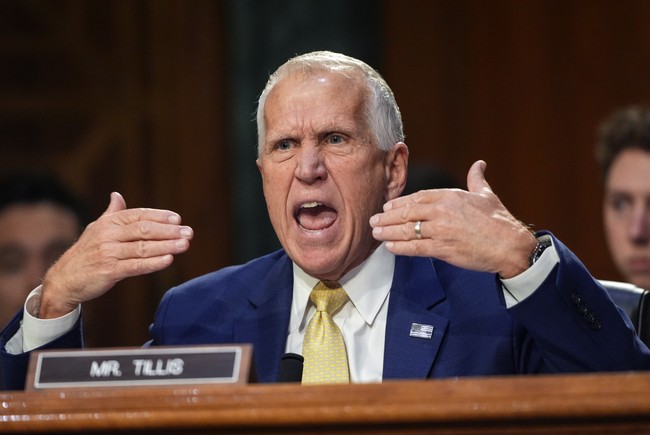
Thom Bomb: Bolo-Wearing Tillis Drops ‘Extra Filter’ and Explodes on Trump Senate Pick Ken Paxton
Favicon 
twitchy.com

Thom Bomb: Bolo-Wearing Tillis Drops ‘Extra Filter’ and Explodes on Trump Senate Pick Ken Paxton

Thom Bomb: Bolo-Wearing Tillis Drops ‘Extra Filter’ and Explodes on Trump Senate Pick Ken Paxton
Like
Comment
Share
RedState Feed
RedState Feed
5 w

Insane Video: Sightseeing Plane Cuts Woman's Paragliding Lines Mid-Air, but She Lives to Tell the Tale
Favicon 
redstate.com

Insane Video: Sightseeing Plane Cuts Woman's Paragliding Lines Mid-Air, but She Lives to Tell the Tale

Insane Video: Sightseeing Plane Cuts Woman's Paragliding Lines Mid-Air, but She Lives to Tell the Tale
Like
Comment
Share
Trending Tech
Trending Tech
5 w

3 Reasons To Stop Using Nova Launcher On Your Android Phone
Favicon 
www.bgr.com

3 Reasons To Stop Using Nova Launcher On Your Android Phone

Nova Launcher was once among the most popular and beloved home screen replacements for Android, but major changes have upset many users.
Like
Comment
Share
Showing 4134 out of 127458
  • 4130
  • 4131
  • 4132
  • 4133
  • 4134
  • 4135
  • 4136
  • 4137
  • 4138
  • 4139
  • 4140
  • 4141
  • 4142
  • 4143
  • 4144
  • 4145
  • 4146
  • 4147
  • 4148
  • 4149
Advertisement
Stop Seeing These Ads

Edit Offer

Add tier


Select an image
Delete your tier
Are you sure you want to delete this tier?

Reviews

In order to sell your content and posts, start by creating a few packages. Monetization

Pay By Wallet

Payment Alert

You are about to purchase the items, do you want to proceed?

Request a Refund