YubNub Social YubNub Social
    #bible #america #god #jesuschrist #youtube #kjv #kingjamesbible #kjb #scriptures #scripture #biblestudy #psalms #acts #jews #bibles
    Advanced Search
  • Login
  • Register

  • Night mode
  • © 2026 YubNub Social
    About • Directory • Contact Us • Developers • Privacy Policy • Terms of Use • shareasale • FB Webview Detected • Android • Apple iOS • Get Our App

    Select Language

  • English
Night mode toggle
Featured Content
Community
New Posts (Home) ChatBox Popular Posts Reels Game Zone Top PodCasts
Explore
Explore
© 2026 YubNub Social
  • English
About • Directory • Contact Us • Developers • Privacy Policy • Terms of Use • shareasale • FB Webview Detected • Android • Apple iOS • Get Our App
Advertisement
Stop Seeing These Ads

Discover posts

Posts

Users

Pages

Blog

Market

Events

Games

Forum

Classic Rock Lovers
Classic Rock Lovers  
1 y

Aerosmith are heading back to the stage - but it's for one night only
Favicon 
www.loudersound.com

Aerosmith are heading back to the stage - but it's for one night only

Boston legends Aerosmith will play at a charity event early next month
Like
Comment
Share
Classic Rock Lovers
Classic Rock Lovers  
1 y

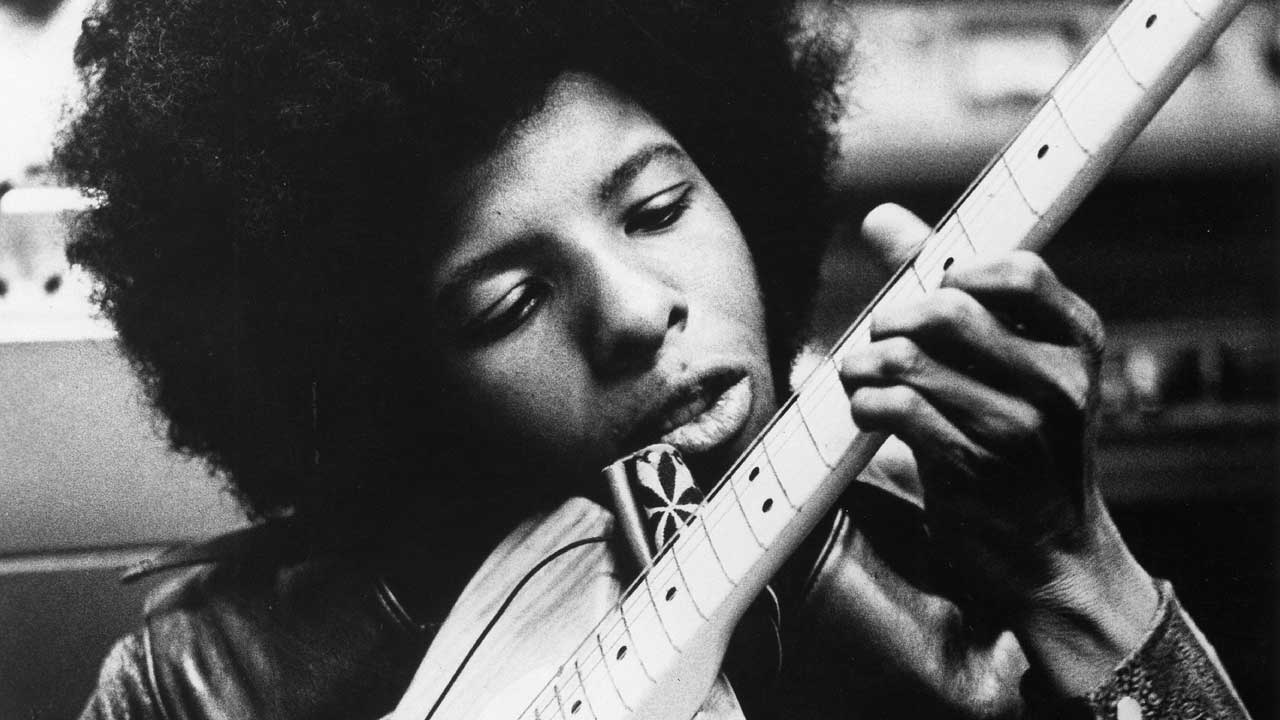
Watch the trailer for Sly Lives! (aka The Burden of Black Genius), the long-awaited documentary about troubled psychedelic pioneer Sly Stone
Favicon 
www.loudersound.com

Watch the trailer for Sly Lives! (aka The Burden of Black Genius), the long-awaited documentary about troubled psychedelic pioneer Sly Stone

The film tells the story of Sly & The Family Stone's rise and fall, and examines the difficulties facing successful Black artists in America
Like
Comment
Share
BlabberBuzz Feed
BlabberBuzz Feed
1 y

Senate Democrats Unanimously Vote AGAINST Life-Saving Bill!
Favicon 
www.blabber.buzz

Senate Democrats Unanimously Vote AGAINST Life-Saving Bill!

Like
Comment
Share
Living In Faith
Living In Faith
1 y

Basics Are Important - Homeword - January 24
Favicon 
www.christianity.com

Basics Are Important - Homeword - January 24

While Scripture does challenge us to move towards maturity in our faith, the call to remember the basics is also found.
Like
Comment
Share
Living In Faith
Living In Faith
1 y

The God Who Comes
Favicon 
www.thegospelcoalition.org

The God Who Comes

When the world is in chaos or we face difficulty or tragedy, it can feel like God is watching us—as Bette Midler famously sang—“from a distance.” Sometimes our Christian songs may give the same impression, proclaiming that God “was and is and evermore shall be” as he stands high above the world’s troubles. But that distant deity is the God of Deism, not the God who reveals himself in Scripture. The Bible gives us a better song to sing. For while Scripture certainly proclaims God’s matchless majesty and transcendent glory (e.g., Deut. 4:39; Jer. 10:10; Isa. 40:28; Acts 17:24; 1 Tim. 1:17), it above all tells the story of God coming to dwell with his people. God Present in the Garden The coming of God is a major biblical-theological theme. The Bible’s opening chapters show us that God’s plan, from the beginning, has always been to live with his people. At creation, “the Spirit of God was hovering over the face of the waters” (Gen. 1:2), and in the garden of Eden, God was palpably present, breathing life into Adam’s nostrils (2:7) and “walking in the garden in the cool of day” (3:8). Although this language of God hovering, breathing, and walking is analogical (for God doesn’t have wings, lungs, or legs), it powerfully communicates the Lord’s personal “presence” (v. 8). The God who created the universe, and who fills all things, was specially present there and then in the garden. God Came at Sinai and Promises to Come Again When our first parents fell into sin, God sent them out of the garden and “away from the presence of the LORD” (3:23; 4:16). But he never gave up on his plan to live with his people in his good world. The Lord “appeared” to Abraham, Isaac, and Jacob (17:1; 26:2; 35:9). He came down to Moses at the burning bush (Ex. 3:8). He came down to the people on Mount Sinai (19:11, 18, 20), when the signs of fire, cloud, and storm showed the place “where God was” and where he had “come to . . . bless” his people (20:21, 24). This was no mere temporary visit, for the Lord came down to instruct Moses to build the tabernacle “that [God] may dwell in their midst” (25:8). And so, first in the wilderness and then in the land, “the glory of the LORD filled” the tabernacle and the temple (40:34; see 1 Kings 8:10). John Calvin observes that while this doesn’t mean God’s “infinite and incomprehensible essence” was “shut up or confined” within the temple (see 1 Kings 8:27; Acts 17:24), it does reveal that God was specially “present there by his power and grace.” When Israel fell into sin, God sent them out of the promised land and “cast them out of his sight” (2 Kings 17:18, 20). But he never gave up on his plan to live with his people in his good world. The writings and the prophets, therefore, promise a day when the Lord will come again. The writings and the prophets promise a day when the Lord will come again. The psalms declare the joyful good news that the Lord who “reigns” will “come” to judge the earth (Pss. 96:2, 10–13; 98:7–9). Isaiah announces the “good news” that the God who “reigns” will also “come” with “might” and “return” to his people (Isa. 40:9–10; 52:7–8). Ezekiel sees “the glory of the LORD” coming and entering and filling the end-time temple to “dwell in the midst” of his people forever (Ezek. 43:2–7). Zechariah proclaims that, at the end, “the LORD my God will come” and reign as “king over all the earth” (Zech. 14:5, 9). Once again, this language of God coming, dwelling, entering, and filling is analogical, for God, who fills all things, doesn’t leave one place to arrive at another. Still, it communicates God’s promise to be palpably present again with his people. God Comes in Jesus and by His Spirit In Jesus’s life and ministry, God began in a new way to fulfill his promise to come and live with his people. For Jesus is God himself, the eternal “Word” and “only Son from the Father,” who “became flesh and dwelt among us,” revealing God’s “glory,” “grace,” and “truth” (John 1:1–2, 14, 18). He is “Immanuel,” which means “God with us” (Matt. 1:23). This first coming of God in Jesus was hidden and humble. He “came” to “serve” and to suffer and to “give his life as a ransom for many” (Mark 10:45; see Isa. 53:10–12). Still, it was God who came in Christ. It was God who was with us there and then in the cradle at Bethlehem, on the dusty streets of Galilee, in the garden of Gethsemane, and on the cross at Golgotha—God, in the person of his Son, specially present in power and grace, working to set us free from sin and death. In pouring out his Spirit on the Day of Pentecost, God further fulfilled his promise to be present. The believers on that day “were all filled with the Holy Spirit,” and Peter announced God’s promise that anyone who repents and is baptized in the name of Jesus Christ “will receive the gift of the Holy Spirit” (Acts 2:4, 33, 38). Even now, “God’s Spirit dwells in” the church (1 Cor. 3:16–17) and “within” individual believers (6:19). This, too, is God with us. Jesus promises anyone who loves him and keeps his Word that God the Father and Jesus the Son “will come to him and make [their] home with him” (John 14:23). Just as God was specially present there and then in Christ, so he’s specially present here and now, within us and among us in his church. God’s Final Coming The God who comes hasn’t yet finished coming to his people. Jesus promises that on the great final day, he’ll come from heaven in “power” and “glory” (Mark 13:26; Matt. 24:30; Luke 21:27). Jesus’s return will not only be the second coming of the human Messiah but the final coming of God himself (e.g., Mark 8:38; 1 Thess. 3:13 with Zech. 14:5; or Acts 17:31 with Pss. 96:13; 98:9). Although his first coming was hidden and humble, God’s final coming will be open and manifest, powerful and glorious, as he comes to finally establish his kingdom over all creation (Matt. 24:27, 30; Acts 1:11; 1 Thess. 4:16–17; Rev. 1:7). This is why the writer to the Hebrews speaks of Jesus simply as “the coming one” (Heb. 10:37) and why God declares himself, in Revelation, as the one “who is and who was and who is to come” (Rev. 4:8, emphasis added; see 1:8). The good news isn’t merely that God “was and is and evermore shall be” but that God—our God—will come to his people. Although God’s first coming was hidden and humble, his final coming will be open and manifest, powerful and glorious, as he comes to finally establish his kingdom over all creation. God isn’t watching us from a distance. He isn’t standing aloof, waiting for us to work our way up to him. God has come to us already in Jesus. He dwells with us even now by his Spirit. And in the end, the one true and living God will come to dwell with his people fully, and finally, and forever (21:3). When the world is in chaos or we face difficulty or tragedy, this is the promise we need. The whole story of the Bible leads us to the promise we find on the last page—“Surely I am coming soon”—and so calls us to respond with the Bible’s final prayer—“Amen. Come, Lord Jesus!” (22:20).

Like
Comment
Share
Living In Faith
Living In Faith
1 y

Pursue Wisdom. Worldview Will Follow.
Favicon 
www.thegospelcoalition.org

Pursue Wisdom. Worldview Will Follow.

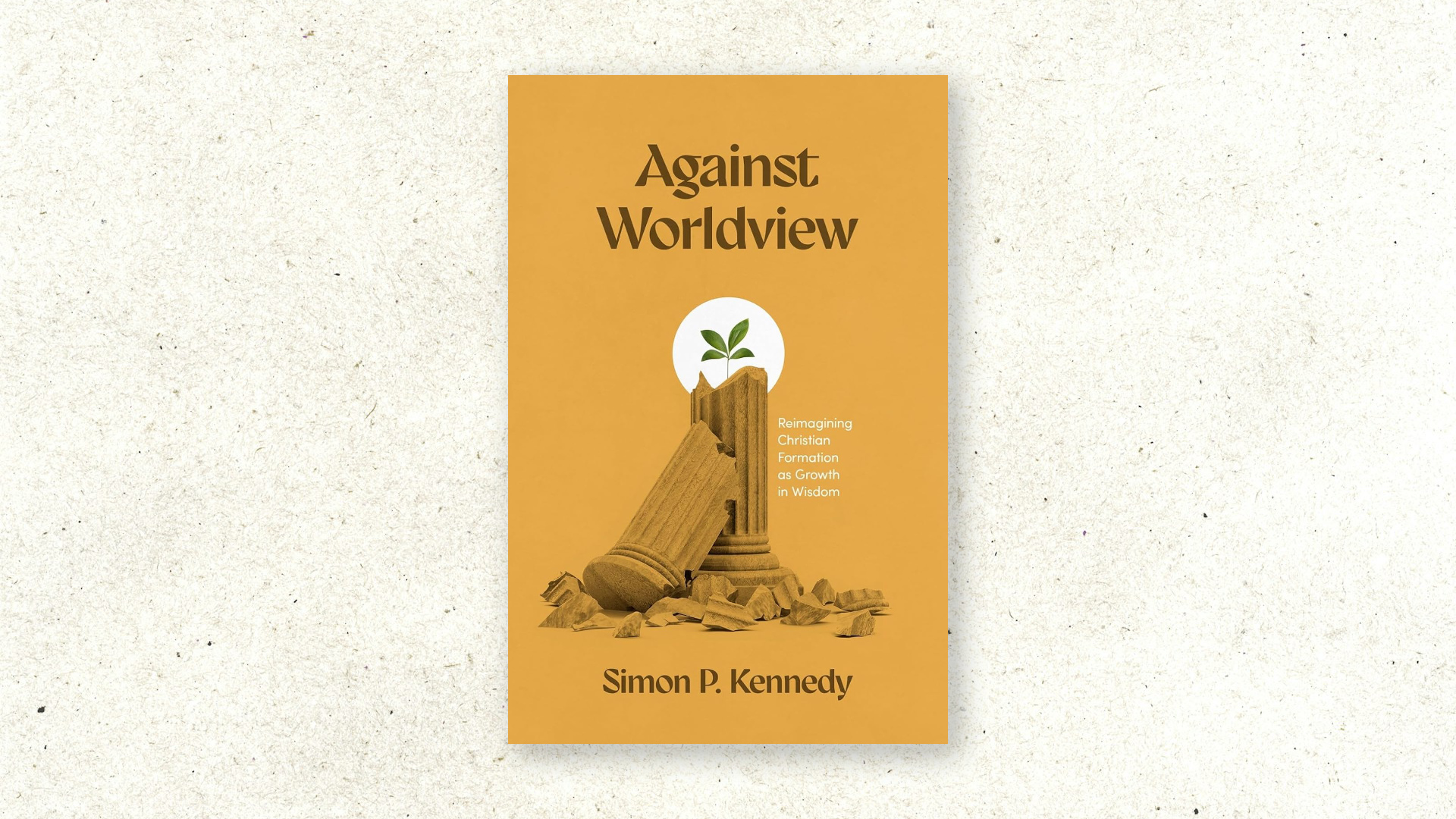
Ludwig Wittgenstein once observed, “Sometimes an expression has to be withdrawn from language and sent for cleaning—then it can be put back into circulation.” For evangelicals, one example is the word “worldview.” In Against Worldview: Reimagining Christian Formation as Growth in Wisdom, Simon P. Kennedy performs a thorough and overdue laundering for a term ubiquitous in evangelical circles over the past 50 years. “Worldview” has framed curricula for Christian schools and shaped people’s visions of apologetics. It has been routinely deployed in cultural commentary and functioned as a buzzword in marketing for countless ministries. Kennedy invites his readers to take a closer look at the concept of worldview, its origins, its uses, and the rarely considered assumptions and biases built into it. By rethinking the use of the term, especially in Christian education, we can think more clearly about the nature of formation and become more effective in helping students obtain godly wisdom. Worldview’s Confusing History The concept of worldview, or Weltanschauung, traces back to German idealism. Kennedy observes its development through Kant, Schelling, and Hegel. It was appropriated by the Scottish evangelical theologian James Orr in the 1890s, who deployed it to refer to “the widest view which the mind can take of things and the effort to grasp them together as a whole” (29). In that era, the Christian faith increasingly seemed under assault at the most principial level from an array of opposing comprehensive systems. Therefore, the concept of worldview offered an attractive framing for responding to Christianity’s cultural conflicts. As Kennedy observes, “This early understanding of Christian worldview set up the apologetic use of Weltanschauung as combative from the very beginning” (31). ‘Worldview’ has always been used in vague, inconsistent, and contrasting ways. “Worldview” has always been used in vague, inconsistent, and contrasting ways. Unfortunately, that ambigiuty has produced more incoherence than contestation among its users. Kennedy particularly highlights the contrast between “deductive” and “inductive” uses. For thinkers such as Abraham Kuyper, worldview primarily functioned as a deductive concept, denoting a systematic account of a Christian understanding of our life and world, flowing from a set of fundamental and unified principial commitments. By contrast, Herman Bavinck illustrates a more inductive approach. Rather than starting with an established big picture into which we fit all the pieces of our knowledge, he primarily builds up from our multifaceted engagement with concrete reality. Like the construction of a mosaic, for Bavinck this all fits into the overarching unified, meaningful, and ordered reality established by God’s wisdom in creation—yet our understanding of this big picture will always be more partial and piecemeal. Worldview Education’s Hubris Against Worldview is written primarily with Christian educators in mind, as the concept has arguably had its greatest influence in this sphere. Christian education is often framed as a task of worldview training. Therefore, the concept has functioned as a normative one, pressing all aspects of education into its ideological mold. Much as critical theories have colonized the whole curriculum in some progressive educational institutions, forcing social justice ideas into every class in unnatural and polarizing ways, so, when it’s not well done, “Christian worldview” can ideologize education. This ideologization, among other effects, keeps students from understanding the many ways Christians and non-Christians are seeking to comprehend the world in similar ways. To heighten our sense of the distinctiveness of the Christian worldview and its oppositional relation with all others, we can also vastly overplay the degree to which our relation to reality is mediated by higher-level ideas. Common uses of the worldview concept can invite us to think of our relation to the world chiefly occurring through an all-encompassing theoretical gaze, a sort of ideological map of reality in its totality. Instead, Kennedy reminds us that our vantage point is limited, located in the hurly-burly of life and, as such, will always be a possible Christian worldview among others. We aren’t chiefly students of such ideological maps in learning the lay of the land of reality. We’re explorers following partial itineraries and filling in gaps in our knowledge of a realm, or trackers with heightened senses attentive to our environment’s clues. Or, perhaps we’re hikers registering landmarks, finding their bearings, and navigating through varied terrain. In the task of coming to grips with the often-hidden paths of creation, while we can genuinely find a greater grasp on the whole through the Christian faith, we’ll routinely find common cause with unbelievers. Kennedy’s welcome approach, which is also influenced by Charlotte Mason’s educational philosophy, brings Christian education back down to earth. Worldview Flows from Wisdom As Kennedy argues throughout the book, practical and spiritual wisdom “ought to be the substantial content of Christian education” (88). Worldview isn’t the means of education but the end: as students gain wisdom through the study of the manifold and complex relations of the creation, a broader understanding of the creation and its relation to its Creator emerges, which we might appropriately call “worldview.” However, the concept so developed will function differently from the ways it typically has. Worldview is not the means of education, but the end. Kennedy’s argument isn’t for secular or value-neutral education. Indeed, freed from the ideological forms typically offered by “worldview education,” education can be better positioned to form students deeply in Christian thought. While we ground students in Scripture and the Christian tradition, Kennedy also encourages us to engage appreciatively with the best the world has to offer, since all truth is God’s. When one overarching ideological system no longer permeates the whole curriculum, Christian education may be more likely to adopt a more focused approach to teaching the faith. In deficient forms of worldview education, when a veneer of Scripture verses is placed over the entire curriculum, it’s easier to excuse deficiencies in the dedicated teaching of Scripture and theology. Taking Kennedy’s approach that focuses on wisdom will allow Christian worldview to rise up from an expansive and open quest for wisdom under wise guides, rather than through indoctrination into a more closed system of thought. For example, studying biology as a means to understand the intricate wonder of creation will likely result in a perspective that explains the world more completely than framing the study of biology around apologetic topics. Given how load-bearing the concept of worldview is for so much Christian education, Kennedy’s close examination is a much-needed intervention. Against Worldview is short, accessible, and affordable. It makes its case clearly, leaving its readers with a much sharper understanding of a key point and straightforward, actionable proposals. While it’s most suited for Christian educators, it’ll be valuable for laypeople, apologists, pastors, and scholars.
Like
Comment
Share
Living In Faith
Living In Faith
1 y

Is the Bible Good for Women?
Favicon 
www.thegospelcoalition.org

Is the Bible Good for Women?

In this episode, Kendra Dahl, Rebecca McLaughlin, Jen Oshman, and Wendy Alsup consider the Bible’s teaching about women through a Jesus-centered understanding of Scripture. They observe Christianity’s historical and cultural influences and encourage women to stay engaged with the Scriptures, seek truth in community, and persevere in the good work God has called them to. They discuss the following: Personal experience and why it’s essential to study the Scriptures The misuse and misapplication of Scripture The importance of a Jesus-centered hermeneutic Why we need historical and cultural perspectives Encouragement for women who have a negative view of the Bible Recommended resources: Is the Bible Good for Women? by Wendy Alsup Confronting Christianity by Rebecca McLaughlin Jesus Through the Eyes of Women by Rebecca McLaughlin Cultural Counterfeits by Jen Oshman It’s Good to Be a Girl by Jen Oshman  
Like
Comment
Share
Homesteaders Haven
Homesteaders Haven
1 y

DIY Candles That’ll Light Up Your Winter Nights ?️✨
Favicon 
homesteading.com

DIY Candles That’ll Light Up Your Winter Nights ?️✨

When winter nights beg for warmth, candles can create the perfect relaxing ambiance. Whether made to enjoy a creative pastime, craft meaningful gifts, or personalize your home, DIY candle projects are ideal and worthwhile things to do. By crafting your own, you can tailor each detail from the fragrance to the container, and ensure they bring a welcoming glow. And reflect your unique style as well. Why DIY Candles Are Worth Trying Out Making your own candles is not only satisfying but also rewarding. Here are some reasons why: Customizable: Choose the scent, color, and shape to match your space or mood. Eco-Friendly: Opt for sustainable materials like soy wax or beeswax to minimize environmental impact. Cost-Effective: Creating candles at home is often more affordable than buying premium options. Perfect Gifts: Handmade candles make heartfelt and memorable presents for loved ones. In addition, candle-making is a relaxing activity that allows you to unwind while being productive. For tips on choosing sustainable materials, visit The Spruce Crafts’ Guide to Eco-Friendly Candles. Essential Supplies for DIY Candle Crafting Before you begin, gather these essential supplies to ensure a smooth crafting experience: Wax: Soy wax is ideal for beginners while beeswax burns longer and offers a natural aroma. Learn about various wax types from CandleScience’s Wax Guide. Wicks: Use pre-waxed cotton wicks for ease of use or wooden wicks for a crackling effect. Fragrance Oils: Choose candle-safe oils for lasting scents. Explore fragrance tips at Candlewic. Containers: Think mason jars, vintage teacups, or silicone molds for unique designs. Double Boiler: Safely melt wax without overheating. Thermometer: Maintain the right pouring temperature to retain fragrance strength. Candle Dyes: Use dyes specifically designed for candles to ensure even coloring. Creative Candle Projects to Try Looking for inspiration to craft your perfect candle? These imaginative projects combine functionality and beauty, offering something for every style. Get ready to explore unique ideas and techniques for your DIY candles. Rustic Mason Jar Candles Melt soy wax and mix with warm, earthy scents like cedarwood or cinnamon. Pour the wax into mason jars and secure the wick in the center. Add twine or burlap around the jar for a rustic finish. For layered candles, pour different wax colors in stages and allow each layer to set before adding the next. Citrus Peel Candles Hollow out orange or grapefruit halves to create natural containers. Fill with wax scented with citrus oils for a fresh, zesty aroma. These biodegradable containers add an organic and cheerful touch to your decor. Scented Tea Lights Use mini muffin tins or silicone molds for easy creation. Add festive fragrances like peppermint or vanilla for seasonal charm. These tiny lights make charming gifts when placed in decorative boxes or tins. Ice Lantern Candles Freeze water in a large container with a smaller one inside to create a hollow space. Place a candle inside the frozen lantern for a glowing, frosty effect. Use these lanterns to light snowy pathways or enhance outdoor gatherings. Vintage Teacup Candles Pour soy wax into thrifted teacups, scented with delicate fragrances like lavender or jasmine. Trim the wick to ensure an even burn. Arrange these elegant candles as table centerpieces or thoughtful gifts. Candle-Making Tips for Beginners Wick Placement: Secure the wick with tape or clips to keep it centered while pouring the wax. Pour Slowly: Prevent air bubbles by pouring wax slowly and steadily into the container. Trim Wicks: Keep wicks no longer than ¼ inch to avoid excessive smoke or uneven burning. Use the Right Temperature: Add fragrance at the recommended temperature to maximize scent throw. For detailed safety guidelines, visit The National Candle Association’s Candle Safety Tips. Brighten Your Winter Nights with DIY Candles DIY candles go beyond providing light. They add warmth, creativity, and a personal touch to your space. These projects bring life to cold winter evenings, from rustic mason jars to whimsical ice lanterns. Take a moment to gather your supplies and try one of these projects today. Each candle you create will reflect your care and personality, brightening your nights with every flicker. FAQs What’s the easiest wax to use? Soy wax is beginner-friendly and offers a clean burn. Can I use essential oils for fragrance? Yes, but ensure they are designed for high heat. How do I prevent tunneling in candles? Allow the wax to melt evenly across the top during the first burn. How do I fix a crooked wick? Adjust the wick with a wick holder or clip before the wax fully sets. Can I use glitter in candles? Yes, but use candle-safe glitter sparingly to avoid affecting the burn. Share Your Glow Which candle project are you excited to try? Let us know in the comments! Share your tips, photos, or ideas and inspire others to craft their perfect winter candles.
Like
Comment
Share
NewsBusters Feed
NewsBusters Feed
1 y

BOMBSHELL: Former Politico Reporters Reveal Hunter Biden Stories Were Suppressed Internally
Favicon 
www.newsbusters.org

BOMBSHELL: Former Politico Reporters Reveal Hunter Biden Stories Were Suppressed Internally

It is one thing to look at the awful suppression of the Hunter Biden laptop story ahead of the 2020 presidential election and imagine what happened. It is entirely another to watch reporters confirm these suppressions and talk about them openly. Watch as former Politico reporters Tara Palmeri and Marc Caputo discuss the lengths to which Politico avoided the Hunter Biden laptop until The Dirty 51 published their letter (click “expand” to view full transcript): MARC CAPUTO: Another great example, when Politico did that terrible, ill-fated headline: 51 intelligence agents, or former intelligence agents, say that the Hunter Biden laptop was disinformation, or bore the hallmarks of disinformation (Actual: Hunter Biden story is Russian disinfo, dozens of former intel officials say). Turns out that story was closer to disinformation because the Hunter Biden laptop appeared to be true. TARA PALMERI: But then Facebook also pulled all stories down about the Hunter Biden laptop, and I think Twitter did at the same time, too. CAPUTO: Right. Correct. They punished The New York Post, that didn’t help. I mean, Politico, my former employer and I knew at the time, didn’t do itself any favors. I was covering Biden at the time, and I remember coming to my editor and saying, ‘Hey, we need to write about the Hunter Biden laptop.’ And I was told this came from on high at Politico: Don’t write about the laptop, don’t talk about the laptop, don’t tweet about the laptop. And the only thing Politico wound up writing was that piece that called it disinformation, which charitably could be called misinformation, at the least PALMERI: Yeah, I mean, I had a hard time — you know I wrote some pretty serious reporting on Hunter Biden, which actually ended up getting him prosecuted — the story on the gun. CAPUTO: Yeah! And I remember you consulted with me ‘cause you had-  you did the original report on the gun and you came to me like, ‘How do I write about this?’ I’m like, ‘Honestly, I don’t know.' Because it was, like, four years ago. You figured it out. PALMERI: Yeah, ‘cause it was hard to get it done. I spent three months on it, I went to the laptop shop, and I did all of the reporting in Delaware, and I did all of that. But yeah, it had, it had to be like much, it had to be 100% nailed down. I had everything, you know, the police reports, every, like, you know, I’m a solid reporter. But I do wonder if it could have, if it would have been published a little quicker if it was a different type of story.  CAPUTO: Well, since we’re spilling tea about our former employer, I still have a copy of the story on my external hard drive. In 2019, a rival presidential Democratic campaign of Joe Biden’s gave to me the tax lien — the oppo research — the tax lien on Hunter Biden for the period of time that he worked at Burisma. And I wrote what would have been a classic story saying, you know, ‘The former vice president’s son was slapped with a big tax lien for the period of time that he worked for this controversial Ukrainian oil concern, or natural gas concern, which is haunting his father on the campaign trail.' That story was killed by the editors… PALMERI: Whoa. CAPUTO: …and they gave no explanation for that either.  PALMERI: Interesting. CAPUTO: So that general experience, you know, obviously the public doesn’t know about those things, but as a reporter having witnessed the way in which the two candidates- PALMERI: We just get called, like, ‘the terrible mainstream media.’ It’s like you don’t understand the process there. CAPUTO: Well, you also don’t understand the dumb decisions… PALMERI: The Man.  CAPUTO: …of cowardly editors that are made. PALMERI: The Man Above Us, when we’re trying to do our jobs, you know what I mean? We’re just lookin’ for scoops, man! (LAUGHTER) CAPUTO: The big bias is toward a good story. “Don’t write about the laptop, don’t talk about the laptop, don’t tweet about the laptop.” Everybody suspects that this is standard M.O. for the elite Acela media which, in fairness, suppresses Democrat-adverse stuff all the time. But how often are reporters left hanging by their editors?  Although reporters talk process and inside baseball all the time, it is unusual to see them go on the record as Caputo, who is highly respected, does here with the story about Hunter’s tax lien. The timing of that killed story is critical, because the IRS whistleblowers told Congress that the statute of limitations was allowed to expire on Hunter’s tax evasions from 2014. IRS whistleblowers, by the way, that never got the time of day from the media.  The laptop story is proof evident of censorship at Politico. You have their political reporters assigned to Biden on the record saying that they did not write any stories about it until Natasha Bertrand, who previously promoted the Russia Hoax, took the Dirty 51 letter and ran with it. Editor decisions drove these omissions, which our own data show helped swing the election to then-Former Vice President Joe Biden. When considering the extent to which the media’s credibility has been destroyed, it is important to consider their silence over these suppressions in comparison to the collective mea culpa over their coverage of the 2016 presidential election. The media’s course correction from 2016 is still ongoing, as the stupid Salute Hoax demonstrates. It didn’t have to be this way, but editorial “cowardly decisions” made it this way. One suspects that there will be many such stories coming down the pike as it pertains to the event that surpassed suppression of the Hunter Biden laptop as the greatest political fraud perpetrated upon the American people: the conspiracy Joe Biden’s mental decline. Don’t write about the decline, don’t talk about the decline, don’t tweet about the decline.
Like
Comment
Share
Twitchy Feed
Twitchy Feed
1 y

REALLY Late Edition: Two ‘Journalists’ Say Politico Buried Stories Damaging to Joe Biden FOUR YEARS Ago
Favicon 
twitchy.com

REALLY Late Edition: Two ‘Journalists’ Say Politico Buried Stories Damaging to Joe Biden FOUR YEARS Ago

REALLY Late Edition: Two ‘Journalists’ Say Politico Buried Stories Damaging to Joe Biden FOUR YEARS Ago
Like
Comment
Share
Showing 59699 out of 118417
  • 59695
  • 59696
  • 59697
  • 59698
  • 59699
  • 59700
  • 59701
  • 59702
  • 59703
  • 59704
  • 59705
  • 59706
  • 59707
  • 59708
  • 59709
  • 59710
  • 59711
  • 59712
  • 59713
  • 59714
Advertisement
Stop Seeing These Ads

Edit Offer

Add tier


Select an image
Delete your tier
Are you sure you want to delete this tier?

Reviews

In order to sell your content and posts, start by creating a few packages. Monetization

Pay By Wallet

Payment Alert

You are about to purchase the items, do you want to proceed?

Request a Refund