YubNub Social YubNub Social
    #jesuschrist #christmas #christ #merrychristmas #princeofpeace #achildisborn #noël #christmas2025
    Advanced Search
  • Login
  • Register

  • Night mode
  • © 2025 YubNub Social
    About • Directory • Contact Us • Developers • Privacy Policy • Terms of Use • shareasale • FB Webview Detected • Android • Apple iOS • Get Our App

    Select Language

  • English
Install our *FREE* WEB APP! (PWA)
Night mode toggle
Community
New Posts (Home) ChatBox Popular Posts Reels Game Zone Top PodCasts
Explore
Explore
© 2025 YubNub Social
  • English
About • Directory • Contact Us • Developers • Privacy Policy • Terms of Use • shareasale • FB Webview Detected • Android • Apple iOS • Get Our App
Advertisement
Stop Seeing These Ads

Discover posts

Posts

Users

Pages

Blog

Market

Events

Games

Forum

Science Explorer
Science Explorer
1 y

Juno Sees a Brand New Volcano on Io
Favicon 
www.universetoday.com

Juno Sees a Brand New Volcano on Io

Jupiter’s moon, Io, is the most volcanic body in the Solar System. NASA’s Juno spacecraft has been getting closer and closer to Io in the last couple of years, giving us our first close-up images of the moon in 25 years. Recent JunoCam images show a new volcano that appeared sometime after the Galileo spacecraft visited the region. The new volcano is just south of Io’s equator. Since tidal heating from Jupiter causes Io’s volcanic activity, most volcanoes are in the moon’s equatorial region, within about 30 degrees north and south of the equator. When NASA’s Galileo spacecraft imaged the region where the new volcano was spotted in 1997, the surface was featureless. The new volcano is near an existing volcano called Kanehekili. JunoCam’s image from April 2024 revealed multiple lava flows and volcanic deposits covering an area of about 180 kilometres by 180 kilometres. The grey inset image shows what the Galileo spacecraft saw about 25 years ago. The larger colour image is from JunoCam and clearly shows a new volcano and lava flows. Image Credit: NASA/JPL-Caltech/SwRI/MSSS/Europlanet. “Our recent JunoCam images show many changes on Io, including this large, complicated volcanic feature that appears to have formed from nothing since 1997,” said Michael Ravine. Ravine is the Advanced Projects Manager at Malin Space Science Systems, the company that built and operates JunoCam for NASA’s Juno mission. Of course, the volcano didn’t form from nothing. Io is in a tough spot orbitally. Tidal friction from massive Jupiter, and some from its fellow moon Europa, is dissipated as orbital and heat energy in Io. In its sibling ocean moons like Europa, Ganymede, and Callisto, the heat keeps their subsurface oceans in liquid form. But Io doesn’t have an ocean, so the heat causes magma to well up and break through the surface as volcanoes. Io has over 400 active volcanoes, and the surface is covered in sulphuric compounds from these eruptions, which give it its colours. JunoCam’s best image of the region and the new volcano was taken on February 3rd, 2024, from a distance of about 2,530 km. The scale is about 1.7 km per pixel. In this image, Io is illuminated with sunlight reflected off of Jupiter. This image shows the Galileo and JunoCam images sisde by side. NASA/JPL-Caltech/SwRI/MSSS. There are unanswered questions about Io, its volcanism, and its interior composition. Scientists know that tidal heating from Jupiter is the moon’s primary heat source, but they aren’t certain how the heat is distributed inside. They are also uncertain about the extent of Io’s magma ocean. They also want to know what initiates eruptions and what drives the different types of eruptions, like plumes, lava flows, and pyroclastic flows. There are unanswered questions about Io’s volcanic history and how often the surface is reshaped. There are no impact craters on Io, which means the surface must be young. This schematic illustrates four competing explanations for Io’s interior and how tidal heating is dissipated. Though Juno won’t tell us which one is correct, every volcanic eruption is a piece of the puzzle. Image Credit: Chuck Carter and James Tuttle Keane / Keck Institute for Space Studies. Researchers are also keen to understand how the gases from eruptions might affect the surface and the moon’s extremely thin atmosphere. Io’s volcanic activity has likely changed over time, and how that happens and what drives it are also unknown. Answers to these questions will not only help us understand Io, but other rocky planets as well. Juno’s discovery of a new volcano on Io is interesting, and its observations are a valuable contribution to the body of knowledge. However, Juno won’t provide the in-depth answers scientists seek. It has several more flybys of Io in the future, with the last one in 2025. Unfortunately, it’ll be getting further from the moon, and the last one will be at a distance of 94,000 km. This graphic shows Juno’s orbits around Jupiter. PJ (perijove) 58 was its closest approach to Io, and as time goes on, its flybys will be more and more distant. Image Credit: Scott Bolton/SWRI These images do highlight an important part of the Juno mission, though. The JunoCam isn’t a scientific instrument, strictly speaking. It was included for the rest of us, and the images are freely available for anyone to work on and post. By spotting the new volcano, JunoCam has proven its scientific value. The post Juno Sees a Brand New Volcano on Io appeared first on Universe Today.
Like
Comment
Share
Science Explorer
Science Explorer
1 y

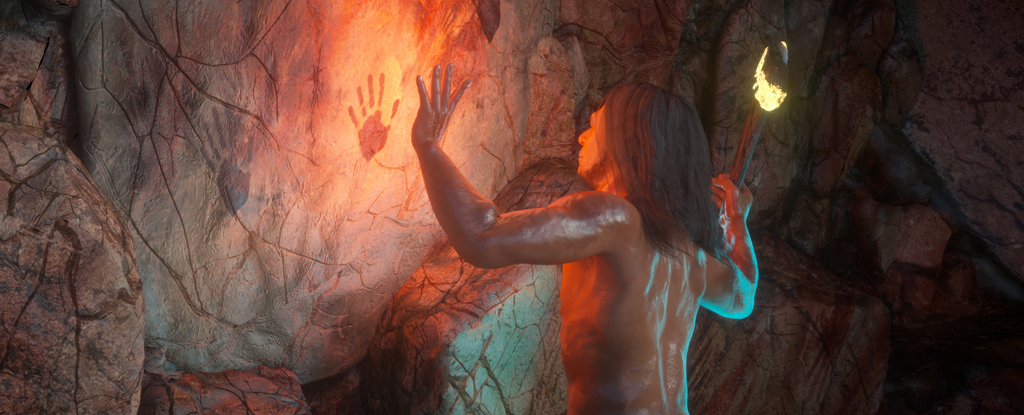
Neanderthal Lineage Was Isolated For an Astonishing 50,000 Years
Favicon 
www.sciencealert.com

Neanderthal Lineage Was Isolated For an Astonishing 50,000 Years

A long time to hold a grudge.
Like
Comment
Share
Conservative Voices
Conservative Voices
1 y

9/11 Terrorists Accidentally Get Honored By The Secret Service [WATCH]
Favicon 
www.rvmnews.com

9/11 Terrorists Accidentally Get Honored By The Secret Service [WATCH]

9/11 Terrorists Accidentally Get Honored By The Secret Service [WATCH]
Like
Comment
Share
Fun Facts And Interesting Bits
1 y

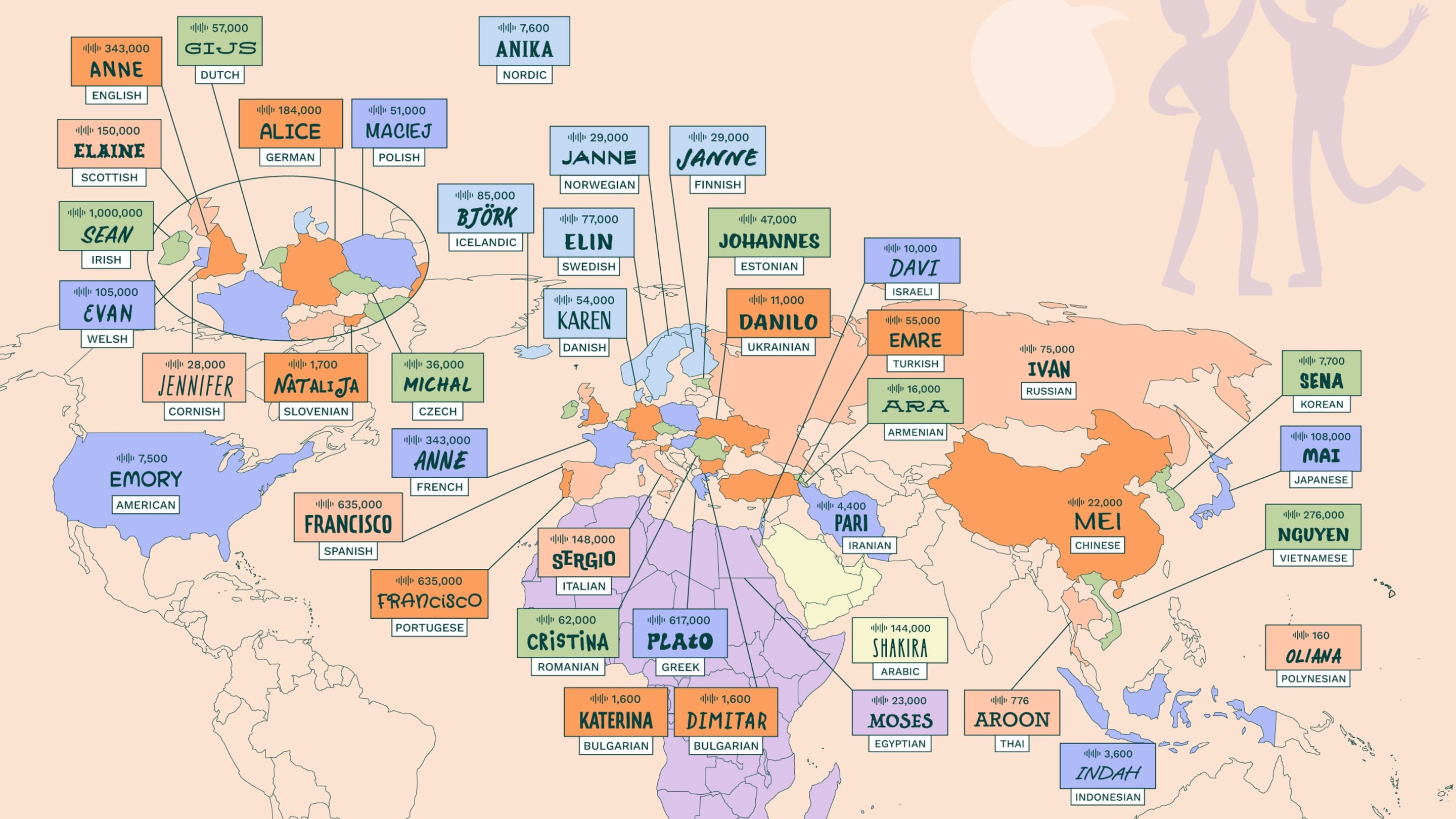
The World's Most Mispronounced Names, Mapped
Favicon 
www.mentalfloss.com

The World's Most Mispronounced Names, Mapped

From Sean to Anne, these names confound speakers around the world.
Like
Comment
Share
Conservative Voices
Conservative Voices
1 y Politics

rumbleRumble
The Joe Pags Show 9-11-24
Like
Comment
Share
Classic Rock Lovers
Classic Rock Lovers  
1 y ·Youtube Music

YouTube
Pink Floyd's Roger Waters on "Wish You Were Here" and Losing Syd Barrett
Like
Comment
Share
The Lighter Side
The Lighter Side
1 y

Legendary writer Kurt Vonnegut cleverly explains how to write the 3 stories everyone loves
Favicon 
www.upworthy.com

Legendary writer Kurt Vonnegut cleverly explains how to write the 3 stories everyone loves

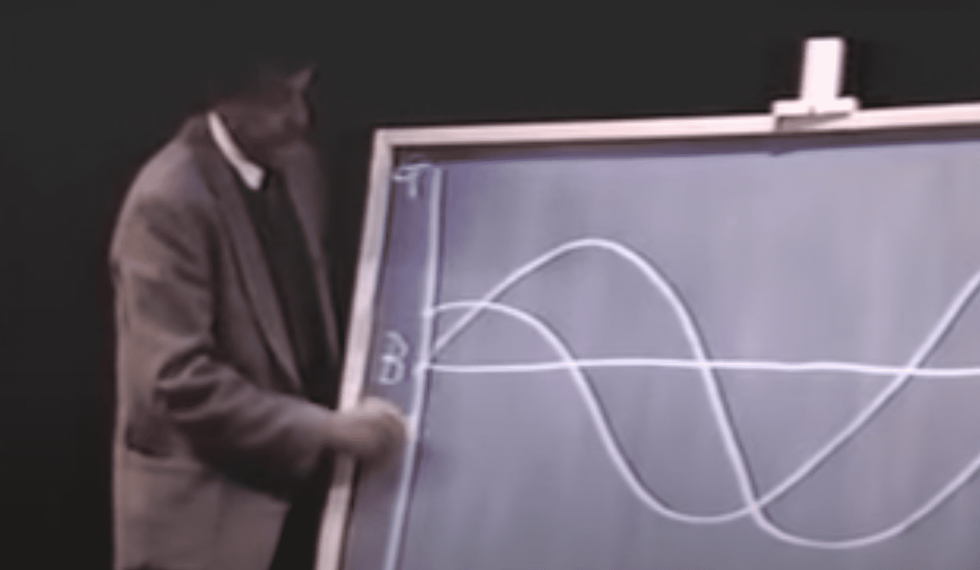
To be a great fiction writer requires understanding basic story structures and being clever enough to disguise them so your audience doesn’t know they’re watching or reading something they’ve seen before.Academics suggest that there are only a finite number of plots and structures, but that number varies based on who’s doing the talking.Writer Kurt Vonnegut, best known for his satirical works on American politics and culture, including “Slaughterhouse-Five,” “Cat’s Cradle” and “Sirens of Titan,” was obsessed with the shapes of stories and summed up his views in one powerful sentence: “The fundamental idea is that stories have shapes which can be drawn on graph paper and that the shape of a given society’s stories is at least as interesting as the shape of its pots or spearheads.”In the video below, Vonnegut explains why the shapes of three different types of stories, from “person gets into trouble” to “boy meets girl” to “Cinderella,” can all be summed up on two axes: the Y represents good and bad fortune, the X represents the beginning and end of a story.The first question is where the main character or protagonist starts their journey. Are they in a state of good or bad fortune, and how does that change from beginning to end? “Somebody gets into trouble, then gets out of it again. People love that story. They never get tired of it,” Vonnegut says with a smirk.The video is an intriguing look into the mind of a highly original writer and gives excellent insights into the basics of storytelling.This article originally appeared on 8.24.23
Like
Comment
Share
The Lighter Side
The Lighter Side
1 y

Dick Van Dyke's stunning reveal as 'The Masked Singer' brought a judge to tears
Favicon 
www.upworthy.com

Dick Van Dyke's stunning reveal as 'The Masked Singer' brought a judge to tears

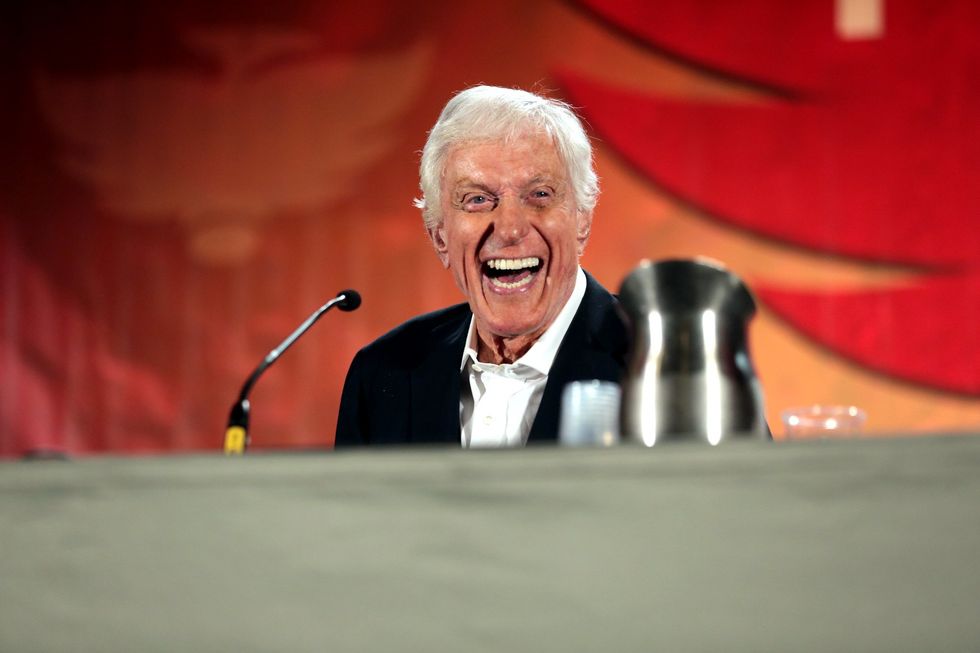
Few people manage to achieve the status of both Hollywood legend and human legend, but Dick Van Dyke is definitely one of them. The 97-year-old actor, dancer, singer and all-around showman blew away the audience and judges of "The Masked Singer" when he was revealed as the voice behind the enigmatic "Gnome" in the show's ninth season opener. Judge Nicole Scherzinger found herself crying at witnessing the reveal. "I love you so much. We love you so much. The whole world loves you so much," she said through tears. "I'm trying to, like, play it cool, but you look so gorgeous! You look so handsome!"Indeed, Van Dyke looks remarkably good for being three years shy of 100, and the fact that he's still got the energy to do a wild reality show is a testament to his vitality. He truly is #aginggoals personified. Van Dyke sang "When You're Smiling" by Frank Sinatra while disguised as a giant woodland gnome on the show. The judges were stumped. Who would guess a 97-year-old would come on "The Masked Singer"?As he shared with Entertainment Weekly, Van Dyke had a blast filming the show, despite having never seen it before being asked to participate."I looked at it on the air and it looked like fun," he told EW. "And I was so positive that nobody would ever guess it was me"He was tickled that people thought he might be Robert DeNiro and flattered that some thought he could be Tony Bennett. "But I knew that they couldn't guess who I was," he said. "I don't think they expected anybody from my generation to be on that show. So I knew I was gonna fool them. They were so surprised. I stepped out and everybody's mouths dropped open. I think some people thought I was dead."He even did a brief "old man" bit, showing he's still got those physical comedy chops.Watch the reveal:What a night for everyone involved, especially since very few people knew who was behind the Gnome costume. "The experience was weird, because they have to keep it a secret from the crew," Van Dyke told EW. "So I walked around with my head covered with people leading me. They've got a nice crew, but I never got to meet any of them!""I would say it's the weirdest thing I've ever done," he added. He also said he'd love to go back and "hang out" with the crew he worked with on the show that he didn't get to see. No doubt those crew members would be thrilled with the opportunity to spend time with such an iconic entertainer.What a gift that we're still getting to see Dick Van Dyke's bright-eyed smile and signature humor. May we all maintain such vibrancy, positivity and zest for life through our senior years.
Like
Comment
Share
The Lighter Side
The Lighter Side
1 y

Pro divers demonstrate exactly what to do during a shark encounter in heart-stopping video
Favicon 
www.upworthy.com

Pro divers demonstrate exactly what to do during a shark encounter in heart-stopping video

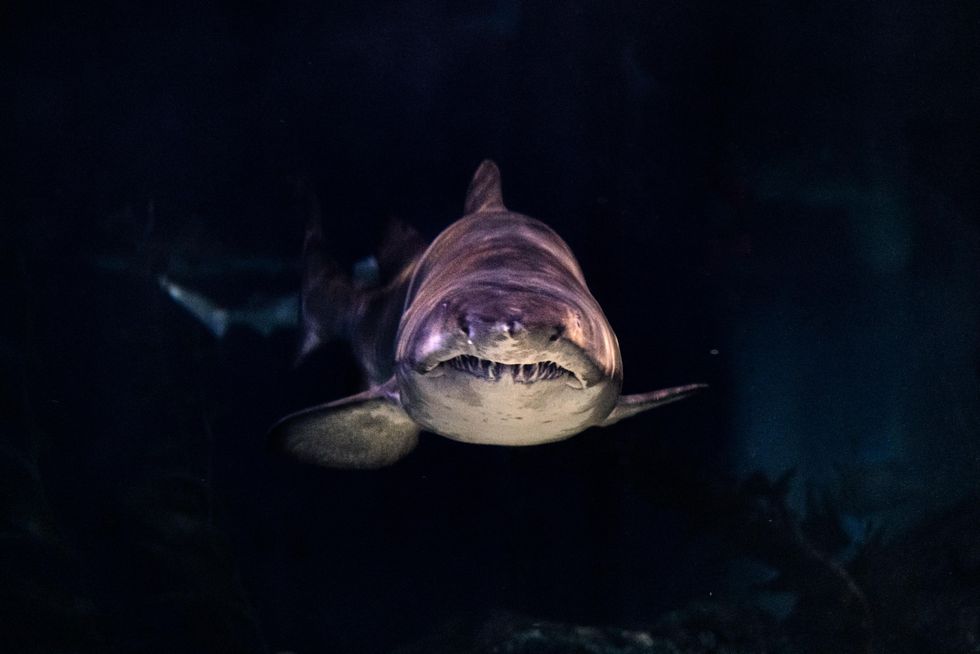
Look, I get it. You’re there minding your own business, relaxing in the cool ocean waters, when out of nowhere—like, without even the common courtesy of the “Jaws” theme song to offer a fair warning—you find yourself right next to a shark. Your immediate response? SWIM AWAY AS FAST AS YOU CAN. Though this survival instinct is completely understandable, sit back and allow two experts to explain why that’s a bad idea. Kayleigh Grant and Andriana Fragola are both trained scuba divers who have had their fair amount of dealings with all sorts of aquatic creatures, including sharks. A recent video clip of theirs has been swimming around the internet because it perfectly demonstrates how to safely avoid a shark attack—using a real-life shark. On camera we see Fragola being approached by a tiger shark while in Oahu, Hawaii.Meanwhile Grant’s voice can be heard saying, “Andy is demonstrating why we do not want to splash and swim away from sharks.” She continued, “Splashing and swimming away imitates what prey does. When we’re dealing with top predators like sharks we want to also act like a predator.”So, instead of trying to swim away, we see Fragola calmly turn around and face the creature while maintaining eye contact. She even manages the bravest snoot boop of all time—reaching out and pushing the tiger shark’s nose to redirect it. Apparently this is strictly a “tiger shark” thing, so please don’t go trying this technique with a great white. And in case it’s not obvious: While it’s great that these two pros can offer tips for interacting safely with apex predators, it’s still maybe not the best idea to go seeking out these types of encounters. In fact, both divers repeatedly use the “do not attempt” disclaimer on many of their videos. This hack does come at an opportune time, considering the supposed recent uptick in recorded shark interactions along the United States East Coast, for reasons that are still under debate. However, Grant did advise in her caption that "just like bears and other predators,” sharks "typically want nothing to do with humans" and are "not the man-eating monsters the media portrays.”Both Grant and Fragola are passionate about shark conservation. Fragola makes handcrafted jewelry using removed fishing lines, and Grant offers underwater safari tours exploring reefs and sea caves.Plus, both their TikTok channels are full of breathtaking footage that’ll make you love and respect these toothy beasts. Check these out: @mermaid.kayleigh *I am a trained professional DO NOT ATTEMPT* One of my favorite ways for a #tigershark to approach is vertically. Every situation & approach from a #shark is different so you need to keep looking all around & anticipating a shark from any direction. ⚡️ ? @andriana_marine #savesharks #sharkdiver #sharkdiving #sharkdive #nikkithetigershark #hawaii #ocean ♬ solitude - favsoundds @andriana_marine #shark #ocean #scoochinrighthere ♬ original sound - jaycehardy @andriana_marine Replying to @maddie karis #ocean #shark #sharkdiver #thalassophobia ♬ Lofi - Domknowz Plus there's some bite-sized education: @mermaid.kayleigh Such a cruel & evil practice to torture & kill an animal without the intent to eat it! This must stop #hawaii ? #oceanicwhitetip #sharks #savesharks #sharkdiving #sharkdive #sharkdiver #diving #freediving #freedive #ocean ♬ Love You So - The King Khan & BBQ Show @andriana_marine Replying to @Ekp #shark #tigershark #sharkdiver #cuteshark ♬ Moon - Fernan Birdy And of course—it’s not all shark-oriented. Grant and Fragola’s channels are veritable treasure troves of aquatic gems. @andriana_marine #ocean #mermaid #siren #deepwater #thalassophobia #dive #mermaidmagic ♬ Siren - Filip Lackovic @mermaid.kayleigh Always so crazy to think about how much below me is #darkness ? the light rays are so beautiful at the surface though ? #ocean #deepwater #hawaii #bluewater ♬ Stranger Things - Kyle Dixon & Michael Stein Bless these gals for not only passing on valuable safety tips, but for sharing the ocean’s wonders with the rest of the world. This article originally appeared on 8.29.22
Like
Comment
Share
The Lighter Side
The Lighter Side
1 y

Historian of infant feeding debunks myths about how babies ate in the pre-formula days
Favicon 
www.upworthy.com

Historian of infant feeding debunks myths about how babies ate in the pre-formula days

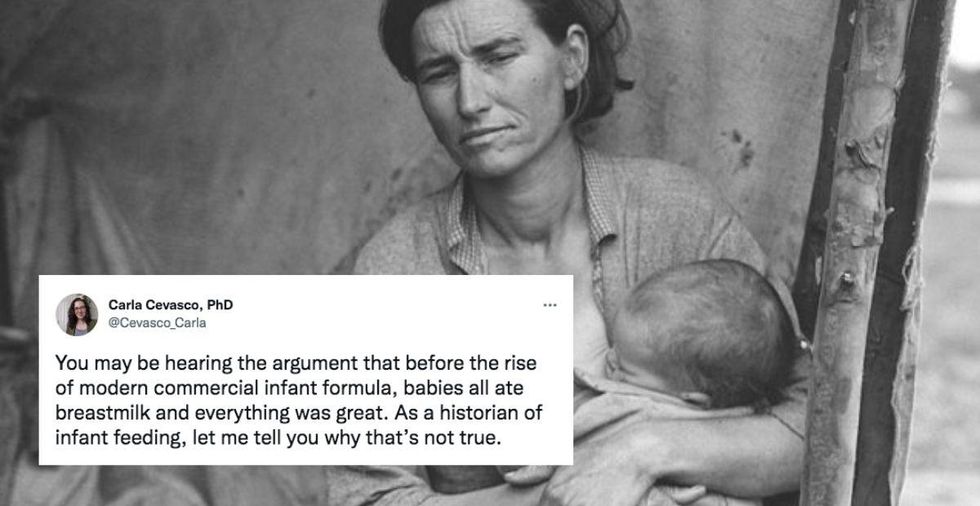
As if the past handful of years weren't challenging enough, the U.S. is currently dealing with a baby formula crisis. Due to a perfect storm of supply chain issues, product recalls, labor shortages and inflation, manufacturers are struggling to keep up with formula demand and retailers are rationing supplies. As a result, families that rely on formula are scrambling to ensure that their babies get the food they need. Naturally, people are weighing in on the crisis, with some throwing out simplistic advice like, "Why don't you just do what people did before baby formula was invented and just breastfeed?" That might seem logical, unless you understand how breastfeeding works and know a bit about infant mortality throughout human history.Rutgers University historian Carla Cevasco, Ph.D. shared some of the history of infant feeding in a viral Twitter thread to set the record straight. (Note: Cevasco provided sources for her facts, which can be viewed at the end of her thread on Twitter.)"You may be hearing the argument that before the rise of modern commercial infant formula, babies all ate breastmilk and everything was great," she wrote. "As a historian of infant feeding, let me tell you why that’s not true." First of all, throughout history, people have at times needed to feed infants using foods other than breastmilk. For many reasons: — Carla Cevasco, PhD (@Carla Cevasco, PhD) 1652312444 Cevasco explained that, throughout history, people have had to feed infants food other than breastmilk for a variety of reasons. "Sometimes the birthing parent was unable to breastfeed," she wrote, "Because: death in childbirth, or physical/mental health concerns, or need to return to work outside the home right after childbirth, OR their partner or enslaver forced them not to breastfeed so that they could return to fertility ASAP after giving birth. "Sometimes baby was unable to breastfeed. Because: poor latch, prematurity, cleft palate, other health or disability reasons, etc."Sometimes baby was being cared for by carers other than birthing parent, including adoptive parents." So, feeding baby other people\u2019s breastmilk wasn\u2019t necessarily an ideal situation either, given the power dynamics of race, class, and gender in the past. — Carla Cevasco, PhD (@Carla Cevasco, PhD) 1652312706 Cevasco went on to explain what babies ate instead of a parent's breast milk in those situations. "Sometimes someone else would breastfeed the child," she wrote. "This might have been a relative or neighbor doing it for free. Or it might have been a paid or unpaid servant or enslaved person doing it at the expense of their own nursing infant, who might starve to death as a result."She also explained that some babies thrived on alternative diets, which are not recommended today due to concerns about safety and nutrition. "Wabanaki women in the 18th century sometimes fed infants a mixture of boiled walnuts, cornmeal, and water; an English colonist, Elizabeth Hanson, reported that her baby thrived on this diet," she wrote. "In early modern Europe, babies often ate pap or panada, mixtures of animal milk or water, bread crumbs or flour. Sometimes these were boiled, sometimes they weren’t."However, she explained, those milk substitutes weren't always safe or nutritionally complete. "So before the advent of modern commercial formula (in the 1950s), a lot of babies died of illness or starvation because they couldn’t breastfeed and the alternative foods were not safe or adequate," she wrote. "Let me repeat that: in the absence of modern formula, A LOT OF BABIES DIED OF ILLNESS OR STARVATION DUE TO LACK OF SAFE OR ADEQUATE FOOD."As Cevasco illustrates, the idea that the pre-formula days were a bastion of infant health due to widespread breastfeeding is simply incorrect. Cevasco explained that better supports such as paid parental leave, free lactation consultation and education, better access to places to pump and so on, would go a long way toward increasing breastfeeding rates. She also pointed out that the greed of the corporate formula industry created the formula shortage crisis. "But! Let’s not demonize formula because of an imagined past in which everyone breastfed," she wrote. "In the ACTUAL past, babies fucking starved and died of disease. Babies who would have survived today, because they would have had access to safe, nutritionally complete formula. Access that is now, horrifyingly and unjustly, under threat for many babies and their caregivers." There will ALWAYS be people who need formula for a whole hosts of reasons. — Carla Cevasco, PhD (@Carla Cevasco, PhD) 1652313204 Cevasco pointed out that there are multiple safe and nutritionally complete ways to feed a baby, and making sure babies don't go hungry should be our main goal. So many misinformed comments could be avoided with a basic understanding of what infant feeding looked like in the past, as well as a basic understanding of how breastfeeding works both physically and logistically. Let's spend more time informing ourselves and sharing facts from experts rather than continuing to perpetuate unhelpful and harmful myths about both breastfeeding and formula feeding. This article originally appeared on 5.17.22

Like
Comment
Share
Showing 62174 out of 103926
  • 62170
  • 62171
  • 62172
  • 62173
  • 62174
  • 62175
  • 62176
  • 62177
  • 62178
  • 62179
  • 62180
  • 62181
  • 62182
  • 62183
  • 62184
  • 62185
  • 62186
  • 62187
  • 62188
  • 62189
Advertisement
Stop Seeing These Ads

Edit Offer

Add tier


Select an image
Delete your tier
Are you sure you want to delete this tier?

Reviews

In order to sell your content and posts, start by creating a few packages. Monetization

Pay By Wallet

Payment Alert

You are about to purchase the items, do you want to proceed?

Request a Refund