genesiustimes.com
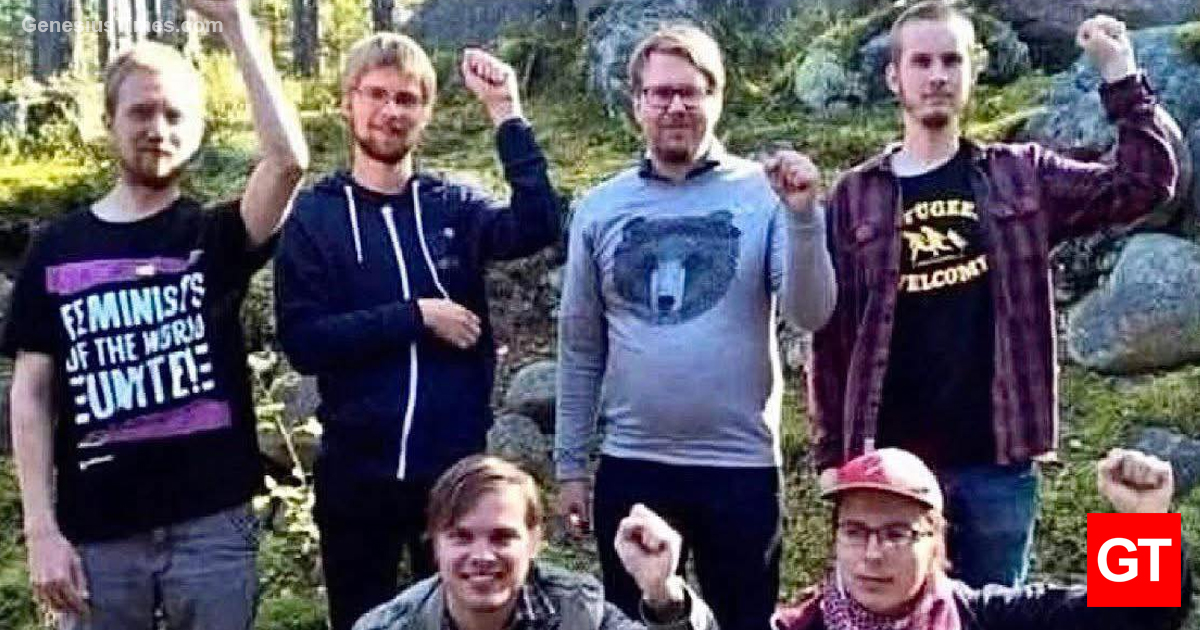
Several of the Fighting Antifa Group sprain their wrists raising their fist in power salute
PORTLAND—In what medical experts are quietly calling “peak performative socialism,” multiple frontline activists from the Fighting Antifa Group Society (FAGS) have reportedly been placed on light duty after sustaining wrist sprains from prolonged, ideologically committed power-fist salutes.
The incidents occurred during an extended “Defund Everything” demonstration outside the headquarters of a major Big Tech firm that had recently added only six new gender options to its employee self-identification portal—widely viewed as an insultingly inadequate response to systemic oppression. Witnesses say the group maintained a rigid, skyward clenched-fist formation for nearly five consecutive hours while rotating through a carefully curated playlist of anti-capitalist chants and field-recorded sounds of breaking glass.
“We were locked in revolutionary solidarity,” explained one masked participant, now communicating exclusively via voice-to-text with occasional dramatic elbow gestures. “The fist is symbolic, yes, but also apparently load-bearing. Who knew four hours at full extension constituted high-risk ergonomic warfare?”
Orthopedic specialists at a nearby free clinic catering to “comrades without co-pays” have documented a cluster of what they term “acute repetitive-strain salute syndrome.” Symptoms include sharp pain on flexion, audible crepitus during the attempt to raise a coffee cup in ironic defiance, and an overwhelming urge to blame the injury on “late-stage capitalism’s refusal to provide adequate wrist-support infrastructure.”
Several members have blamed the lack of sufficient soy protein for the inuries.
Affected members arrived at treatment facilities still wearing tactical black attire, explaining to baffled triage nurses that the condition was “sustained in combat against hegemonic power structures.” Standard protocol now includes rest, ice (non-GMO), compression wraps adorned with red-and-black embroidery, and gentle range-of-motion exercises described in pamphlets as “decolonizing your joints.”
A hastily issued communiqué from the Fighting Antifa Group Society’s anonymous media team sought to reframe the episode: “These minor musculoskeletal setbacks do not diminish our unbreakable resolve. The revolution will proceed—perhaps in a slightly reclined posture, or with delegated fist-raising assigned to able-bodied allies until full mobility returns.” The statement concluded with a call for “solidarity care packages” containing wrist braces, topical arnica gel, and PDFs of Antonio Gramsci’s prison notebooks (for morale).
Online detractors have already branded the affliction “the softest combat wound of the 21st century” and suggested the group adopt pre-protest warm-up routines featuring resistance bands ironically labeled “RESIST.” Some have proposed a new chant: “No pecs, no checks, no wrist flex.”
Undeterred, the FAGS have announced plans to adapt its tactics. Future actions may feature seated salutes, power-fist emojis projected via laser pointer, or simply holding signs that read “Fist Too Tired—Still Mad.” Recovery is expected to take two to four weeks, or until someone invents a truly liberatory wrist brace.
The struggle continues—just a little more gingerly.
The post Several of the Fighting Antifa Group sprain their wrists raising their fist in power salute appeared first on Genesius Times.









 New Posts (Home)
 ChatBox
 Popular Posts
  Game Zone
 Top PodCasts