YubNub Social YubNub Social
    #covid #bible #america #god #tyranny #jesuschrist #vaccination #god\ #youtube #kjv #kjb #kingjamesbible #scriptures #scripture #biblestudy
    Advanced Search
  • Login
  • Register

  • Night mode
  • © 2026 YubNub Social
    About • Directory • Contact Us • Developers • Privacy Policy • Terms of Use • shareasale • FB Webview Detected • Android • Apple iOS • Get Our App

    Select Language

  • English
Night mode toggle
Featured Content
Community
New Posts (Home) ChatBox Popular Posts Reels Game Zone Top PodCasts
Explore
Explore
© 2026 YubNub Social
  • English
About • Directory • Contact Us • Developers • Privacy Policy • Terms of Use • shareasale • FB Webview Detected • Android • Apple iOS • Get Our App
Advertisement
Stop Seeing These Ads

Discover posts

Posts

Users

Pages

Blog

Market

Events

Games

Forum

Conservative Voices
Conservative Voices
8 w

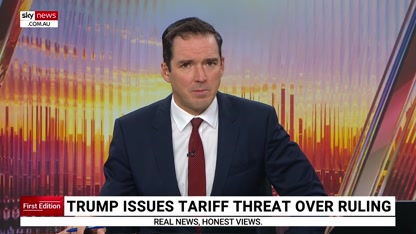
‘He’s bruised and he’s mad’: Donald Trump ‘not happy’ at Republicans ‘falling out of line’
Favicon 
www.brighteon.com

‘He’s bruised and he’s mad’: Donald Trump ‘not happy’ at Republicans ‘falling out of line’

Follow NewsClips channel at Brighteon.com for more updatesSubscribe to Brighteon newsletter to get the latest news and more featured videos: https://support.brighteon.com/Subscribe.html
Like
Comment
Share
The Lighter Side
The Lighter Side
8 w

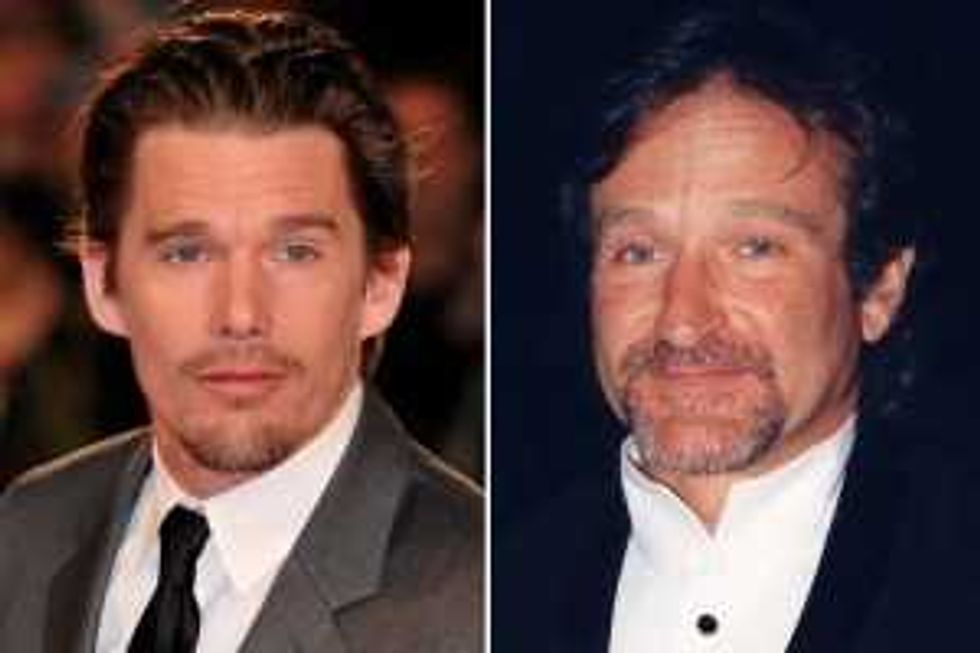
Ethan Hawke shares why he didn't get along with Robin Williams filming 'Dead Poets Society'
Favicon 
www.upworthy.com

Ethan Hawke shares why he didn't get along with Robin Williams filming 'Dead Poets Society'

Dead Poets Society was one of the most popular coming-of-age films of the late '80s, showcasing Robin Williams' acting range and launching several young actors into their Hollywood careers. But according to Ethan Hawke, who played the timid Todd Anderson (the student who stands on his desk first) in the film, the famous comedian didn't make his own job easy.Hawke shared on The Graham Norton Show what working with Williams was like after Norton said he understood their on-set relationship to be "a bit fractious." - YouTube www.youtube.com "Well, he was incredibly funny, right?" said Hawke. "And he was very relaxed and very inventive…and he would just improv constantly, all day long, and the more the crew laughed, the more he would go."Despite Williams' hilarious antics, the film wasn't a comedy. Hawke struggled with the constant improv in light of his own acting work."I really wanted to be a serious actor," he said. "You know, I had read Stanislavski, and I had what was supposed to be in my pockets, and I really, really wanted to be in character, and I really didn't want to laugh. And the more I didn't laugh, the more insane he got. And he'd make fun, 'Oh, this one doesn't want to laugh,' and the more smoke would come out of my ears. He didn't understand I was trying to do a good job…so I thought he hated me, because he just constantly would lay into me." After filming, Hawke went back to school thinking Williams "hated" him. Then one day, he got a phone call."It was from a big Hollywood agent. This guy says, 'I'm Robin Williams' agent, and he says that you're gonna be somebody, and that I should sign you.' And I was like, really? And so he got me my first agent, who's still my agent now."Many stories of Williams' behind-the-scenes acts of kindness have come to light after his passing, so the fact he recommended Hawke unasked isn't too surprising. Knowing the context from Hawke's perspective, however, makes it all the more delightful.Hawke spoke to Vanity Fair about his experience observing Williams and director Peter Weir interact on the Dead Poets Society set: - YouTube youtu.be “I’m watching [Weir] direct Robin Williams, not an easy thing to do, ’cause Robin was a comic genius," Hawke said. "But dramatic acting was still new to Robin at that time. And watching that relationship like, in the room—I was four feet away while they’re talking about performance—and that was something you don’t unsee.”Williams taught Hawke that a script isn't always set in stone.“Robin Williams didn’t do the script, and I didn’t know you could do that," Hawke recalled. "If he had an idea, he just did it. He didn’t ask permission. And that was a new door that was opened to my brain, that you could play like that. And Peter liked it, as long as we still achieved the same goals that the script had."“They had a very different way of working, but they didn’t judge one another or resist one another,” Hawke continued. “They worked with each other. That’s exciting. That’s when you get at the stuff of what great collaboration can do. You don’t have to be the same, but you don’t have to hate somebody for being different than you are. And then the collective imagination can become very, very powerful, because the movie becomes bigger than one person’s point of view. It’s containing multiple perspectives.” - YouTube www.youtube.com The lessons Hawke learned from watching and working with Robin Williams have followed him through more than three decades in film. It’s delightful to see how Williams’ influence lives on in many small ways the world may not be aware of. His is an incredible legacy.
Like
Comment
Share
Classic Rock Lovers
Classic Rock Lovers  
8 w

How a London train station inspired The Kinks’ greatest song
Favicon 
faroutmagazine.co.uk

How a London train station inspired The Kinks’ greatest song

An enduring anthem. The post How a London train station inspired The Kinks’ greatest song first appeared on Far Out Magazine.
Like
Comment
Share
Living In Faith
Living In Faith
8 w

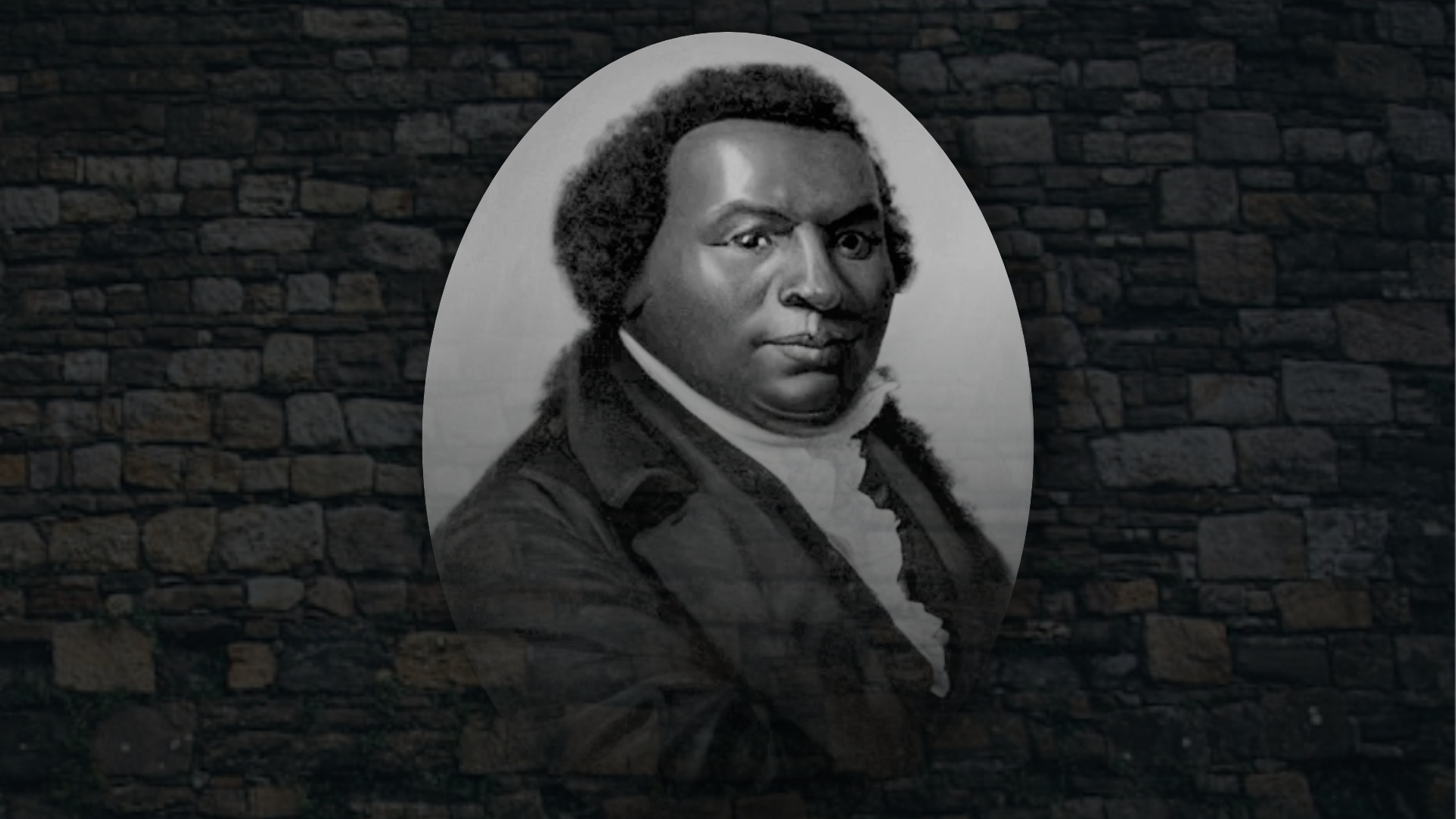
From Enslaved to Shepherd: The Remarkable Life of Gowan Pamphlet
Favicon 
www.thegospelcoalition.org

From Enslaved to Shepherd: The Remarkable Life of Gowan Pamphlet

I met Gowan Pamphlet (1748–1807) when he was sitting on a bench outside a cemetery. It wasn’t really Pamphlet, of course; it was a man named James Ingram, who portrays the colonial-era Baptist preacher at Colonial Williamsburg. Ingram spoke about the lives of the enslaved represented in the cemetery and the African Baptist Church they worshiped in. I walked away wanting to know more about Pamphlet and his theological legacy. Unfortunately, we know little about Pamphlet’s early life. The earliest reference to him is an ad in the Virginia Gazette from July 3, 1779, that accuses him of stealing a horse, which was an offense worthy of hanging. In that account, he’s listed as the property of Jane Vobe, a tavern keeper in Williamsburg. Yet what we know about the rest of Pamphlet’s life is remarkable. He was a faithful pastor who preached freedom from sin through the gospel of Christ as he worked for liberation from the sin of slavery. Pamphlet was in the first generation of black evangelical leaders who gained respect among their white brethren without abandoning their distinct ethnic identity. Providential Opportunity In the 18th century, the Great Awakening spurred a fresh generation of white Christian efforts to engage African Americans with the gospel. That’s how Pamphlet was converted to Christianity, beginning a life of service to Christ as he ministered to free and enslaved people of African descent. Based on historical records, it’s likely that Pamphlet’s conversion experience came before his transfer of ownership. Yet his owner offered opportunities for her slaves to learn to read and write by using the Bible through the Bray School, one of the earliest institutions for black education in North America. Vobe also took her slaves to worship services at Bruton Parish, which was part of the Episcopalian church. There’s no evidence that Vobe ever opposed slavery. However, her willingness to allow the people she enslaved to be educated enabled Pamphlet to gain the skills that would allow him to become a leading Baptist figure. Through God’s providence, he became one of the first black ordained ministers in the United States. Risky Calling Entry into the gospel ministry came with hardship for blacks. Historian Robert Semple reports that a black preacher named Moses Wilkinson, Pamphlet’s predecessor in Williamsburg, “was often taken up and whipped for holding meetings.” Yet Wilkinson’s courage in the face of persecution set an example for Pamphlet’s ministry to free and enslaved blacks in Virginia. After Wilkinson’s Methodist ministry took him to New York and Nova Scotia, Pamphlet helped build the congregation Wilkinson founded into the nation’s first black Baptist church. Pamphlet began preaching on the wooded land of the Green Spring Plantation even before he was granted his freedom by David Miller (Vobe’s son) in September 1793. Pamphlet never experienced safety as he preached the gospel of Jesus Christ for at least two reasons. First, Virginia didn’t establish religious freedom until July 1786, so as a Baptist in a state aligned with the Church of England, Pamphlet could have been punished for religious dissent. Nevertheless, historian John Asplund records Pamphlet’s Baptist church as founded in 1781 with about 200 members. Second, gatherings of that size would have been a concern to slave owners for fear of a possible uprising. Yet Pamphlet remained faithful to his calling. Perpetual Resistance Resistance seemed to come from every direction. The General Association of Baptists in Virginia “advised that no person of color should be allowed to preach, on the pain of excommunication.” Some, like Pamphlet, continued to gather and preach and were excluded from fellowship on those grounds. Pamphlet never experienced safety as he preached the gospel of Jesus Christ. Yet Pamphlet’s ministry was effective. And he continued to pursue unity with other Christians, even the white Christians who had rejected his ministry based on his race. Thus, in 1791, Pamphlet’s church petitioned the Dover Baptist Association for admission. The black congregation, now known as First Baptist Church of Williamsburg, was admitted into the association in 1793. It’s remarkable that despite such pervasive resistance, Pamphlet’s desire for Christian unity and mutual accountability drove him to pursue inclusion in the Baptist association. His leadership was instrumental in showing that good faith and an iron will could help other Christians to consider the implications of their evangelical doctrine on social and civic life. Notably, since black Christians had come into fellowship with white, slave-holding Christians, questions about how slave-holders treated their Christian brethren became inescapable. Virginia Baptists had to explore how church discipline should be implemented on white believers who were reluctant to treat black Christians fairly. When Pamphlet and his congregants showed up at Baptist meetings, they advocated for church procedures that ensured slaves were treated as coheirs and brothers. Historian Charles Irons notes that in matters of church discipline, “black evangelicals could expect . . . far more respect for their persons than they enjoyed in any civil setting.” Nevertheless, white men were often the final arbiters on matters of church discipline. Theological Challenges The presence of black evangelicals like Pamphlet challenged their white colaborers to consider the way a biblical view of marriage could be applied to slavery and plantation life. For example, in 1793, the Dover Association had to modify its strict stance on divorce and remarriage in cases “where men and their wives, being slaves, [were] so far removed to each other, as not to have it in their power to discharge the mutual duties of man and wife.” Instead, the local church was to use judgment regarding the permissibility of remarriage. Since black Christians had come into fellowship with white, slave-holding Christians, questions about how slave-holders treated their Christian brethren became inescapable. This train of logic was never taken to its final destination, however. Most white Christians in the association were content to relinquish the decision on the permissibility of slavery and the surrounding practices to the state. This hesitation exposes the danger of allowing civil authorities to resolve moral questions the church was called to address. Pamphlet’s legacy is profound. By engaging with the Dover Association, First Baptist Church of Williamsburg paved the way for other Baptist congregations to form in Portsmouth and Petersburg. Additionally, Pamphlet trained churchmen like Simon Gulley, Israel Camp, Lewis Armstead, T. Maise, Benjamin White, Thomas Mars, and James Roberts, who were noted contributors to early black evangelical life and the Dover Association. Moreover, during Pamphlet’s pastorate, First Baptist Church of Williamsburg grew to 500 members and became an exemplar for reaching black communities with the gospel. Pamphlet’s encounter with the freedom of the gospel informed his passion to share the message of redemption and hope. He joined a biracial movement of evangelicals that offered true freedom even amid the injustice of chattel slavery. Gowan Pamphlet’s body has long been in his grave, but his legacy still has the power to inspire the church.
Like
Comment
Share
Living In Faith
Living In Faith
8 w

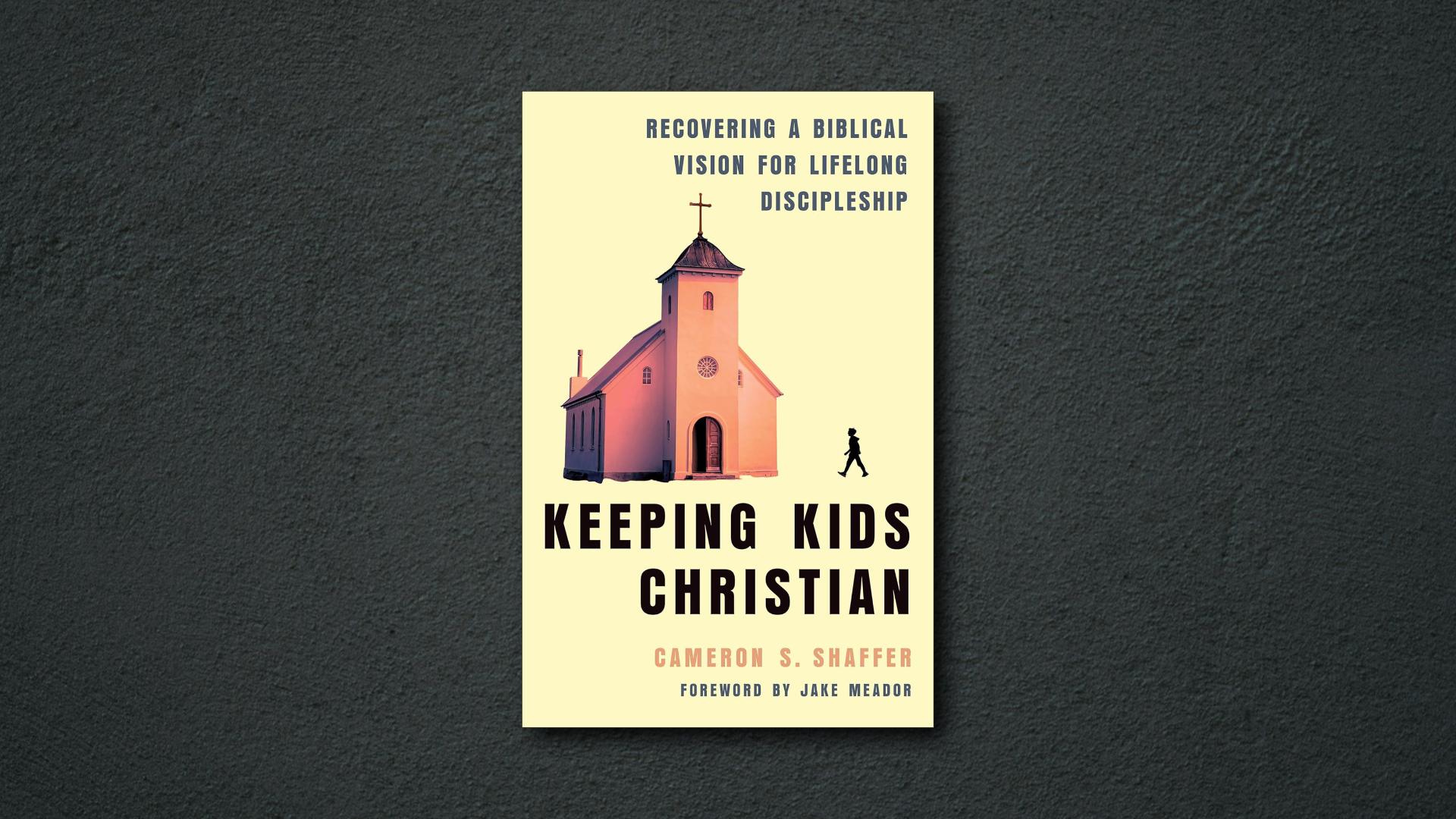
The Future of Youth Ministry Is Family-Shaped
Favicon 
www.thegospelcoalition.org

The Future of Youth Ministry Is Family-Shaped

Around 40 million American adults who used to attend church have stopped coming. After 25 years of continual growth, the number of “nones,” or those who claim no religious affiliation, now outnumber the number of people who attend church. It’s a shift that rivals the First and Second Great Awakenings—and among this “Great Dechurching” cohort, Gen Z takes a disproportionately large share. Or do they? Several reports published in 2025, including one from Barna, indicate Gen Z may be returning to church in a “historic reversal.” But the data is murky: A late 2025 Pew Research Center report finds little evidence of a major change in church attendance. Though there’s real religious excitement among Gen Z adults, data scientist Ryan Burge observes, “We will eventually become a country that is 40-to-45 percent ‘nones.’” How are pastors, especially those who work with children and teenagers, supposed to minister in such a pivotal moment in American history? We must first accept a hard truth: We cannot continue to do children’s and youth ministry as we’ve done them and expect different results from today. Keeping Kids Christian: Recovering a Biblical Vision for Lifelong Discipleship by Cameron S. Shaffer, senior pastor of Langhorne Presbyterian Church, offers a compelling blueprint for generational ministry in an age where people are abandoning institutions. It’s a vision that emphasizes the importance of the church, families, and intergenerational relationships in a culture more isolated, lonely, and disconnected than ever. Ordinary Means Too often, pastors begin with how they’ll do ministry and try to back into why. Shaffer challenges us to reverse this order and begin with our theological convictions. We must start with our beliefs about how God saves and work outward from these beliefs to how we’ll put them into practice in our churches. In the face of an everchanging, liquid modernity, we must remember that God doesn’t change. His means of justifying and sanctifying his people haven’t changed either. One of Shaffer’s key beliefs is that God has designed the family as a primary avenue for passing down the faith to the next generation. God’s charge to Israel at Mount Sinai that they should “teach [his words] diligently to [their] children” isn’t a temporary arrangement (Deut. 6:7). God has designed the family as a primary avenue for passing down the faith to the next generation. Throughout Scripture, we’re told (Proverbs, Ephesians, 1 John) or shown (Judges, 1–2 Kings, Acts) that fathers and mothers are the leading influence on their children’s faith, for good or ill. Shaffer is Presbyterian and explicitly argues that “the church needs to treat its kids as Christians” (35). Nevertheless, those who hold to believers-only baptism can agree that the family’s influence shapes an individual’s faith before, during, and long after he or she participates in any church program. Yet kids without Christian parents aren’t without hope. Shaffer reminds us that God has designed cross-generational relationships in the church to meet this need. Those who leave their biological family behind to follow Christ will receive new fathers, mothers, sisters, and brothers (Matt. 19:29). A web of thick, healthy relationships between older and younger Christians in the church gives kids a place to belong and adults a catalyst to live sanctified lives for others to imitate. The “communion of saints” isn’t just a core belief of Christianity; it’s a foundational practice for how we minister to each other, including to our children. Challenges of Church Culture Shaffer’s blueprint is well tailored to small-to-medium-sized churches. Pastors at large churches, however, may balk when Shaffer remarks, “The prioritization of [standard youth and children’s ministry programs] fueled the great dechurching” (19). As churches grow in size and complexity, healthy church operations are vital to ensure pastors care for their people well. Programs often become a necessary backbone for stable ministry. Shaffer isn’t opposed to programs in absolute terms. He’s really arguing “they should be downgraded in importance and treated as risky for faith retention” (19). While still critical, he’s making a case for caution that’s supported by anecdotal and empirical evidence. A healthier model for ministry to young people emphasizes the primacy of the ordinary means of grace and the family’s centrality in discipleship. Departing from “the way we’ve always done it” can be scary. But it opens doors for creative ministry that equips parents with tools and training for discipling their families. That approach packs a much bigger punch than participation in a highly polished program for two hours on Wednesday night. Shaffer offers suggestions for how children’s and youth ministry can complement parent-equipping generational ministry, such as how to incorporate children into Sunday worship without overwhelming parents or children. He also suggests prioritizing hiring staff for the men’s and women’s ministries before growing the staff for youth and children’s programs. Strategic discipleship of parents is important. Courage to Change Change is difficult, especially when it comes to raising kids. At first, an exhortation to parent-equipping generational ministry might feel like an attack on parents. Shaffer recognizes the challenge of leading change, especially in something as deeply personal as parenting. Moving too quickly might convince parents they’re failing and should rely on the experts. But that’s exactly what Shaffer is trying to avoid. Therefore, he encourages a cautious approach to change, beginning with deep prayer and involving careful conversation over time. Shaffer encourages a cautious approach to change, beginning with deep prayer and involving careful conversation over time. Shaffer’s suggestions for implementing his approach are helpful but a little abstract. I’d love to see churches that implement this vision share their results, especially what did and didn’t work. Proven case studies would help busy pastors figure out how to adopt the family-centric approach. Everyone leading ministries for youth and children wants kids to become healthy Christians. Yet Shaffer is right that some popular ministry approaches have lost their focus on deep discipleship as they’ve tried to broaden participation. A well-leveraged, family-centric approach is an effective way to make discipleship the main emphasis of our ministry to young people. As C. S. Lewis writes, “Put first things first and we get second things thrown in: put second things first & we lose both first and second things.” Cultural trends like the Great Dechurching and deconstruction threaten to draw young people away from the Christian faith. Shaffer wants to help churches and families cultivate deep gospel roots. Keeping Kids Christian offers a powerful vision for putting discipleship first in our ministry to the next generation.
Like
Comment
Share
Living In Faith
Living In Faith
8 w

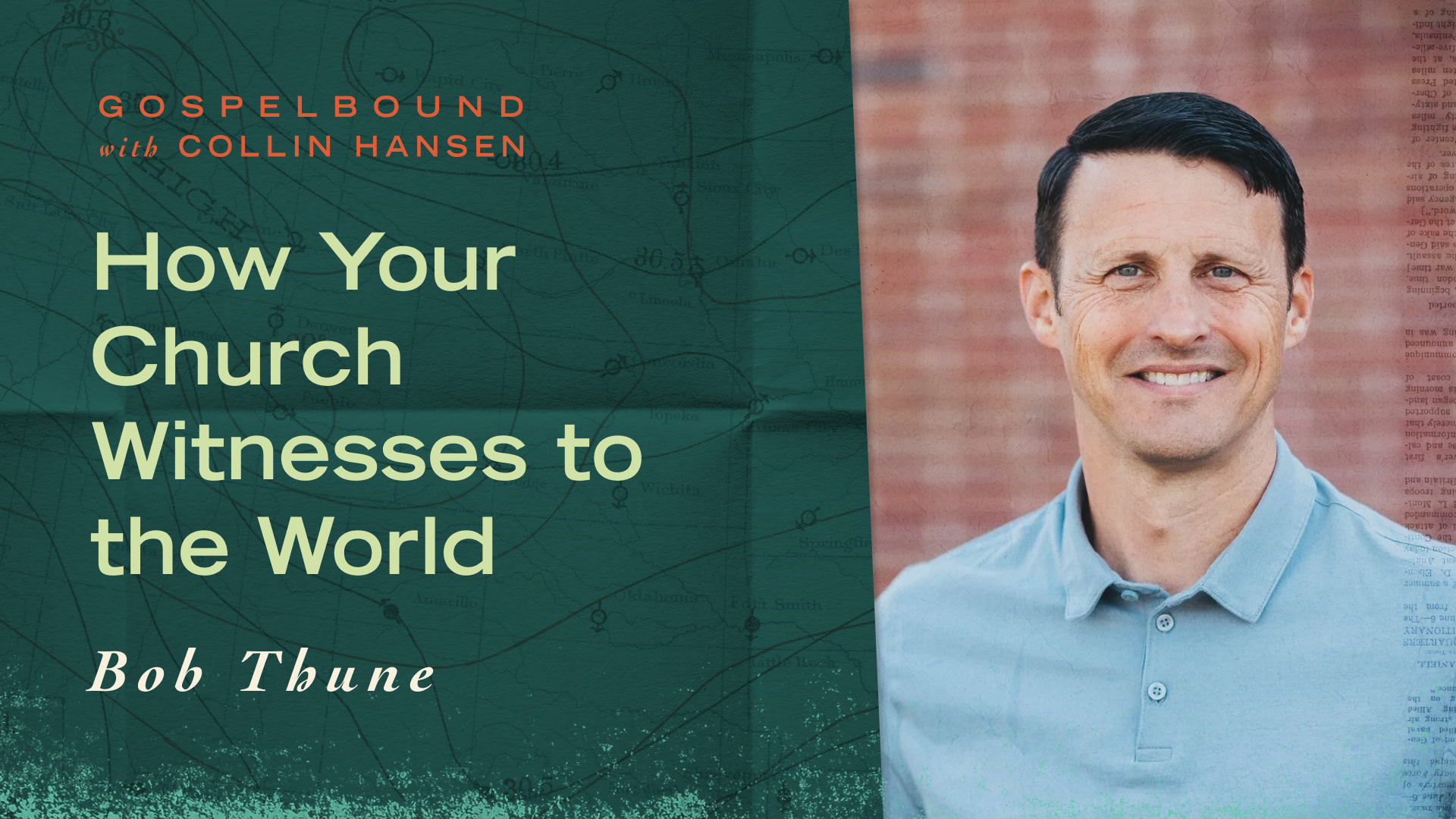
How Your Church Witnesses to the World
Favicon 
www.thegospelcoalition.org

How Your Church Witnesses to the World

When we receive applications for fellows at The Keller Center for Cultural Apologetics, we ask them to answer the question “What one thing should Christians do right now to introduce their neighbors to Jesus?” It’s not that we think there’s only one answer. It’s that we want them to identify the top priority. Last year, we were surprised when every applicant gave the same answer. They talked about the public witness of gathered Christians, the church. Maybe they were responding to negative press about the church, going back 25 years to the Catholic abuse scandal at the same time the internet became ubiquitous. Or maybe they were expressing renewed appreciation for the gathered church after the COVID-era shutdowns and public disorder. Either way, they were going back to a biblical concept rooted in Israel’s testimony to the nations, and the early church in the book of Acts that found favor with all. Bob Thune is a fellow for The Keller Center and writes about this ecclesial apologetics in a chapter for our new book, The Gospel After Christendom: An Introduction to Cultural Apologetics (Zondervan Reflective). He’s also a featured teacher in an exciting new video small-group curriculum called Making Sense of Us, published by The Gospel Coalition and The Keller Center. His session, recorded against the backdrop of the Statue of Liberty in New York City, covers the cultural narrative we tell each other in the modern West about liberty. We believe this curriculum can help you, especially young adults, to both evangelize and edify. When you watch and study with other church members, and even non-Christians, you can learn together about the Bible’s better story about liberty, which we live out together in the church. In This Episode 00:00 – A deeper freedom: set free from self for love 00:32 – Keller Center fellows: why the gathered church matters for witness 01:41 – Introducing Bob Thune, ecclesial apologetics, and Making Sense of Us 02:39 – Lesslie Newbigin and a missionary posture toward the modern West 05:06 – Is Omaha post-Christian? Modern Western culture everywhere 06:34 – Ecclesial apologetics despite church messiness 09:17 – Gospel doctrine and gospel culture (truth, goodness, beauty) 11:03 – Christian hospitality: making room for outsiders with conviction and listening 17:03 – Why this differs from the seeker movement 19:10 – Transition to Making Sense of Us: liberty and the Statue of Liberty backdrop 20:16 – Modern misconception: freedom as “freedom from” (negative liberty) 22:17 – Galatians 5: freedom subverted and fulfilled—freedom for love and service 24:48 – Choice as happiness: dislodging the assumption pastorally 26:55 – Cultural pressure points: teen mental health, friendship decline, obligation 29:15 – Autonomy and assisted dying / euthanasia debates 31:56 – More choice, more frustration: speech platforms and “Netflix paralysis” 33:50 – Patience for contested proposals (post-liberalism, nationalism, and so on) 35:01 – “Freedom for” the common good and a shared human project 39:13 – Three church roles: solidarity-bringer, subversive fulfillment, alternative city 43:27 – Augustine’s lesson: church power, loss, and enduring hope 44:05 – Recommended reading and resources roundup Resources Mentioned: The Gospel After Christendom edited by Collin Hansen, Skyler R. Flowers, and Ivan Mesa Making Sense of Us by John Starke, Rebecca McLaughlin, Sam Chan, Trevin Wax, Rachel Gilson, Bob Thune, Glen Scrivener, and Michael Keller The Air We Breathe by Glen Scrivener The Anxious Generation by Jonathan Haidt The Great Divorce by C. S. Lewis Democracy and Solidarity by James Davison Hunter City of God by Augustine of Hippo SIGN UP for my newsletter, Unseen Things. Help The Gospel Coalition renew and unify the contemporary church in the ancient gospel: Donate today. Don’t miss an episode of Gospelbound with Collin Hansen: Apple Podcasts Spotify YouTube TGC Updates
Like
Comment
Share
Daily Caller Feed
Daily Caller Feed
8 w

‘Stupid, Self-Absorbed And Misogynistic’: Keith Olbermann Crashes Out About Team USA Hockey, President Trump Invite
Favicon 
dailycaller.com

‘Stupid, Self-Absorbed And Misogynistic’: Keith Olbermann Crashes Out About Team USA Hockey, President Trump Invite

Imagine being so miserable that you can't even enjoy your country winning a gold medal
Like
Comment
Share
Science Explorer
Science Explorer
8 w

Capgras Syndrome: The Nightmarish Delusion That Your Loved Ones Have Been Replaced By Impostors
Favicon 
www.iflscience.com

Capgras Syndrome: The Nightmarish Delusion That Your Loved Ones Have Been Replaced By Impostors

In 1918, a woman reported that doppelgängers had replaced her husband and daughter. Hers was the first recorded case of Capgras syndrome.
Like
Comment
Share
Survival Prepper
Survival Prepper  
8 w

How to Convert a Garden Shed into a Backup Survival Shelter
Favicon 
www.survivopedia.com

How to Convert a Garden Shed into a Backup Survival Shelter

Security, insulation, off-grid hacks, water cache. There are many reasons that you might want to turn a garden shed, or something similar, into a backup survival shelter: Don’t Put All Your Eggs in the Same Basket – Storing everything you own under one roof makes you vulnerable to losing everything you own in a single […]
Like
Comment
Share
History Traveler
History Traveler
8 w

Inside David Ghantt’s Infamous Loomis Fargo Heist In October 1997
Favicon 
allthatsinteresting.com

Inside David Ghantt’s Infamous Loomis Fargo Heist In October 1997

Todd Williamson/Getty ImagesIn the true story behind Masterminds, David Ghantt and his accomplices stole $17.3 million during the October 1997 Loomis Fargo heist in Charlotte, North Carolina. In 1997, David Ghantt was the vault supervisor for Loomis, Fargo & Co. armored cars, which managed the transportation of large sums of cash between banks in North Carolina. But even though he worked for a company that regularly moved millions of dollars, David Ghantt himself was underpaid. So he hatched a plan to rob his employers. On October 4, 1997, David Ghantt and his accomplices grabbed $17.3 million from Loomis Fargo’s Charlotte vault, stuffed it into a van, and drove off. As he later recalled about his life before the 1997 heist that changed his life forever and eventually became the true story behind the 2016 film Masterminds: “Prior to, I would have never even considered it but one day life kinda slapped me in the face. I was working sometimes 75-80 hrs a week for $8.15 an hour, I didn’t even have a real home life because I was never there I was working all the time and unhappy which is understandable considering how old I was at the time. I felt cornered and one day the joking in the break room about robbing the place suddenly didn’t seem so far-fetched.” So with the assistance of a co-worker and possible love interest as well as a small-time criminal, David Ghantt pulled off what was then the second-largest cash heist in U.S. history. Too bad for David Ghantt that it was poorly planned and that everything ultimately fell apart. This is the full story of David Ghantt, the Loomis Fargo heist, and the true story behind Masterminds. David Ghantt Plans The Heist Of A Lifetime David Ghantt, a Gulf War veteran, had never been in trouble with the law. He was also married. But neither of those things would matter after he met Kelly Campbell. Campbell was another employee at Loomis Fargo and she and Ghantt quickly struck up a relationship, one that Campbell denies was ever romantic though FBI evidence says otherwise, and one that continued after she left the company. One day, Campbell was speaking to an old friend named Steve Chambers. Chambers was a small-time crook who suggested to Campbell that they rob Loomis Fargo. Campbell was receptive and brought the idea up to Ghantt. Together, they came up with a plan. While making only eight dollars an hour in his role as supervisor, Ghantt decided it was time to do something: “I was unhappy with my life. I wanted to make a drastic change and I went for it,” Ghantt recalled to the Gaston Gazette. And drastic it was. In fact, David Ghantt was about to commit the heist of a lifetime. How They Pulled Off The Loomis Fargo Heist Retro CharlotteFBI security footage of David Ghantt in the midst of the Loomis Fargo heist. Ghantt, Chambers, and Campbell came up with the following plan: Ghantt would remain in the vault after his shift on the night of the heist, Oct. 4, 1997, and let his co-conspirators into the vault. They would then load as much cash as they could carry into a van. Meanwhile, Ghantt would take $50,000, as much as could legally be carried across the border without questions, and flee to Mexico. Chambers would hold on to most of the remaining cash and wire it to Ghantt as needed. Once the heat was off, Ghantt would return and they would split the haul evenly. If you can see the obvious flaw in this plan, namely that Chambers would have no reason whatsoever to actually wire Ghantt any money, then congratulations. You’re better at planning bank heists than David Ghantt. As it turns out, the heist did in fact go as well as you might expect. The Problems Begin Piling Up For David Ghantt On October 4, Ghantt sent home the employee he was training and disabled two security cameras near the vault in preparation for the heist. Unfortunately, he failed to disable the third camera. “I didn’t even know about it and overlooked it,” he said. And so this third camera caught everything that happened next. Ghantt’s accomplices soon showed up but now they had another problem. You see, there’s a reason Loomis Fargo used armored cars to move large amounts of cash. It’s heavy. And Ghantt hadn’t really thought about the physical challenge of moving such a large sum of money. Instead, the bandits just started throwing as much money as they could into the van until they couldn’t fit anymore. Even though they drove away with less than they had initially intended, they still had more than $17 million in hand. And with that, David Ghantt took off for Mexico. When the rest of the Loomis Fargo employees showed up the next morning and found that they couldn’t open the vault, they called the police. Because Ghantt was the only employee who wasn’t there that morning, he became the obvious suspect. That suspicion was immediately confirmed by a quick glance at the security camera footage that showed Ghantt doing a little dance after loading all the cash into the van. Within two days, the investigators found the van with $3 million in cash and the security camera tapes inside. The thieves had simply abandoned whatever they couldn’t carry away. It was an open-and-shut case and all authorities had to do now was to find the culprit and identify Ghantt’s accomplices. Campbell and Chambers made themselves easy to catch, what with their lavish spending. Chambers had known enough to insist that no one blows through a ton of cash immediately after the robbery, but once he actually had his hands on the money, he couldn’t follow his own advice. Chambers and his wife Michele moved out of a trailer and into a luxury mansion in a nice neighborhood. But of course, then they had to decorate that spectacular new space and so they spent tens of thousands of dollars on things like cigar store Indians, paintings of Elvis, and a bulldog dressed up like George Patton. Will Mcintyre/The LIFE Images Collection/Getty ImagesMichele Chambers’ 1998 BMW for sale following the prosecutions of the Loomis Fargo heist conspirators. Chambers and his wife also made some cash payments on a few cars. Then Michele made a trip to the bank. She wondered how much she could deposit without attracting the attention of the FBI, so she decided to just ask the teller: “How much can I deposit before you have to report it to the feds?” she asked. “Don’t worry, it’s not drug money.” In spite of Chambers’ assurance that the money was, you know, totally not illegally acquired, the teller remained suspicious, especially because the stacks of cash still had Loomis Fargo wrappers on them. She reported it immediately. The Hit That Fell Short Meanwhile, David Ghantt was relaxing on a beach in Cozumel, Mexico. He left his wedding ring behind and spent his days spending money on luxury hotels and scuba diving. When asked what the “dumbest thing was” that Ghantt spent money on, he admitted: “The 4 pairs of boots I bought in one day [shrug] what can I say they were nice and I was impulse shopping.” Naturally, Ghantt started to run out of cash and turned to Chambers, who was annoyed by his requests for more money. So Chambers decided to solve the problem by putting a hit on Ghantt. Once the hitman Chambers had hired arrived in Mexico, he found that he couldn’t bring himself to kill Ghantt. Instead, the two started hanging out on the beach together and became friends. Finally, in March 1998, the FBI traced a call from Ghantt’s phone and he was arrested in Mexico. Chambers, his wife, and several of their accomplices were arrested the next day. The Aftermath Of The Loomis Fargo Heist And The True Story Behind Masterminds In the end, eight co-conspirators were indicted for the Loomis Fargo heist. Because the money in the vault was largely from banks, the crime was technically a bank robbery and thus a federal offense. In total, 24 people were convicted. All but one of the indicted pleaded guilty. Also charged were several innocent relatives that the robbers had enlisted to help get safety deposit boxes in various banks. Ghantt was sentenced to seven and a half years in prison, though he was released on parole after five. Chambers served 11 years before being released. All of the cash from the Loomis Fargo heist was recovered or accounted for, except for $2 million. Ghantt has never explained where that money went. Relativity StudiosThe Loomis Fargo heist was the inspiration for Masterminds, the 2016 film starring Zach Galifianakis as David Ghantt and Kristen Wiig as Kelly Campbell. After his release, Ghantt took a job as a construction worker and was eventually brought on as a consultant for the 2016 movie Masterminds, based on the Loomis Fargo Heist. But because he still owes millions to the IRS, he couldn’t be paid. “I work construction. I’ll never pay it off on my paycheck,” Ghantt said. Generally, the events of the film are fairly close to reality when they follow the broad details of the case. But as Ghantt admitted, the film took some liberties with specific details and characters to make the film funnier. Ghantt’s wife was reportedly nothing like the bizarre, robotic fiancée character in the film, for instance. There was also no dramatic showdown between Chambers and Ghantt as the movie suggests. But thanks in part to the film, the outlandish story of David Ghantt and the Loomis Fargo heist will surely live on for years to come. After this look at David Ghantt, the Loomis Fargo heist, and the true story of Masterminds, read about a more successful robbery, the Antwerp diamond heist. Then check out another bank robber who inspired a movie, John Wojtowicz. The post Inside David Ghantt’s Infamous Loomis Fargo Heist In October 1997 appeared first on All That's Interesting.

Like
Comment
Share
Showing 7295 out of 118554
  • 7291
  • 7292
  • 7293
  • 7294
  • 7295
  • 7296
  • 7297
  • 7298
  • 7299
  • 7300
  • 7301
  • 7302
  • 7303
  • 7304
  • 7305
  • 7306
  • 7307
  • 7308
  • 7309
  • 7310
Advertisement
Stop Seeing These Ads

Edit Offer

Add tier


Select an image
Delete your tier
Are you sure you want to delete this tier?

Reviews

In order to sell your content and posts, start by creating a few packages. Monetization

Pay By Wallet

Payment Alert

You are about to purchase the items, do you want to proceed?

Request a Refund